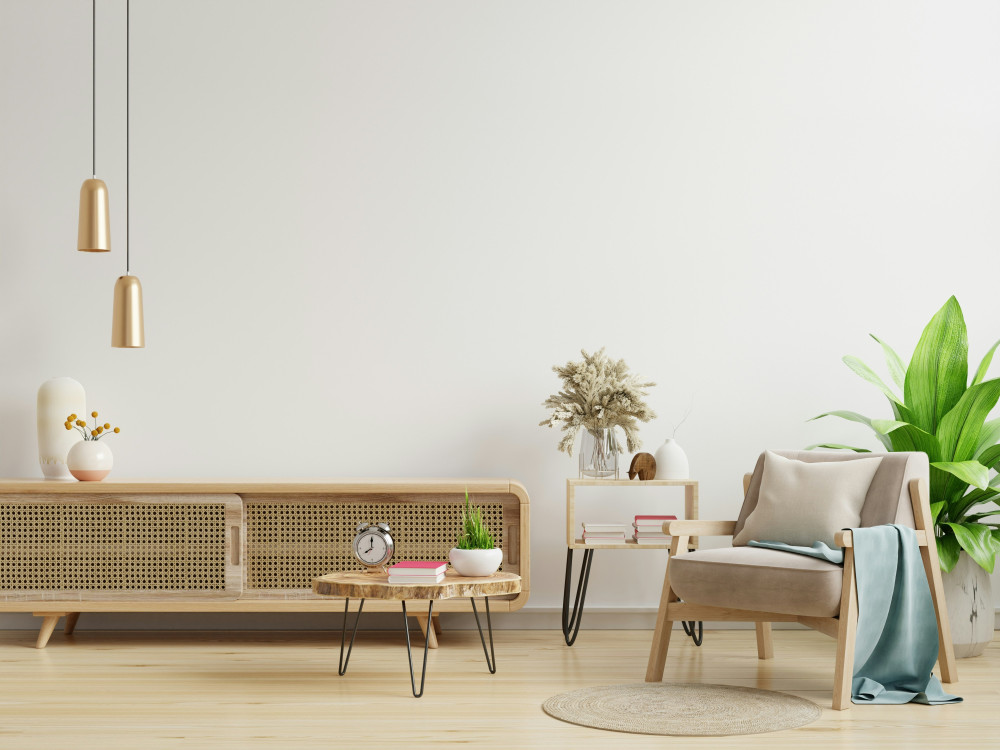
Energy-Efficient Home Design – Small Changes with a Big Impact

Energy-Efficient Home Design – Small Changes with a Big Impact
A comfortable home doesn’t have to come with high energy bills. In fact, small design choices can make a big difference in how much energy your home uses—and how pleasant it feels to live in. By paying attention to lighting, furniture placement, and materials, you can create a more energy-efficient home without sacrificing style. Here are some practical ideas to help you get started.
Make the Most of Natural Light
Daylight is free energy. By designing your home to take advantage of natural light, you can reduce your need for artificial lighting and create a brighter, more inviting space.
- Place work areas near windows—like your desk or reading nook—so you can use daylight for most of the day.
- Choose light-colored walls and ceilings to reflect sunlight and make rooms feel larger and brighter.
- Opt for sheer or light curtains instead of heavy drapes that block sunlight.
In winter, open your curtains during the day to let the sun warm your rooms naturally, and close them at night to keep the heat in.
Rethink Furniture Placement
Where you place your furniture can affect both comfort and energy use. A sofa against an exterior wall or in front of a vent can make heating and cooling less efficient.
- Keep vents and radiators clear so air can circulate freely.
- Move seating away from cold walls—you’ll feel warmer even at a lower thermostat setting.
- Add rugs and textiles to insulate floors and create a cozier feel, allowing you to turn the heat down a notch.
These small adjustments can help you save energy without noticing a drop in comfort.
Choose Energy-Efficient Lighting
Lighting accounts for a significant portion of household electricity use, but it’s also one of the easiest areas to improve.
- Switch to LED bulbs—they use up to 80% less energy than traditional bulbs and last much longer.
- Install dimmers and motion sensors so lights are only on when needed.
- Layer your lighting—use smaller lamps for task lighting instead of relying on one bright overhead fixture.
You can also choose fixtures with reflective shades to make the most of the light you already have.
Use Materials That Help Save Energy
The materials you choose for your home can influence how well it retains heat or stays cool.
- Thick curtains, rugs, and upholstered furniture help reduce heat loss in winter.
- Thermal or insulated window coverings can act as an extra barrier against drafts.
- Natural materials like wool and cotton regulate temperature and improve indoor air quality.
If you’re planning a renovation, consider upgrading to energy-efficient windows or adding insulation—but even small material choices can make a difference.
Build Smart Everyday Habits
Energy-efficient design works best when paired with mindful daily habits. Simple actions can add up to noticeable savings over time.
- Turn off lights when leaving a room.
- Use programmable thermostats to control heating and cooling.
- Open windows briefly for fresh air instead of leaving them cracked open for hours.
- In colder months, spend more time in the warmest rooms of the house.
These habits require little effort but can have a lasting impact on your energy use.
A Home That Works Smarter
Designing an energy-efficient home isn’t about giving up comfort or style—it’s about creating a space that feels better, functions better, and costs less to run. By making thoughtful design choices and adopting smart habits, you’re not just lowering your utility bills—you’re investing in a more sustainable, comfortable, and future-ready home.