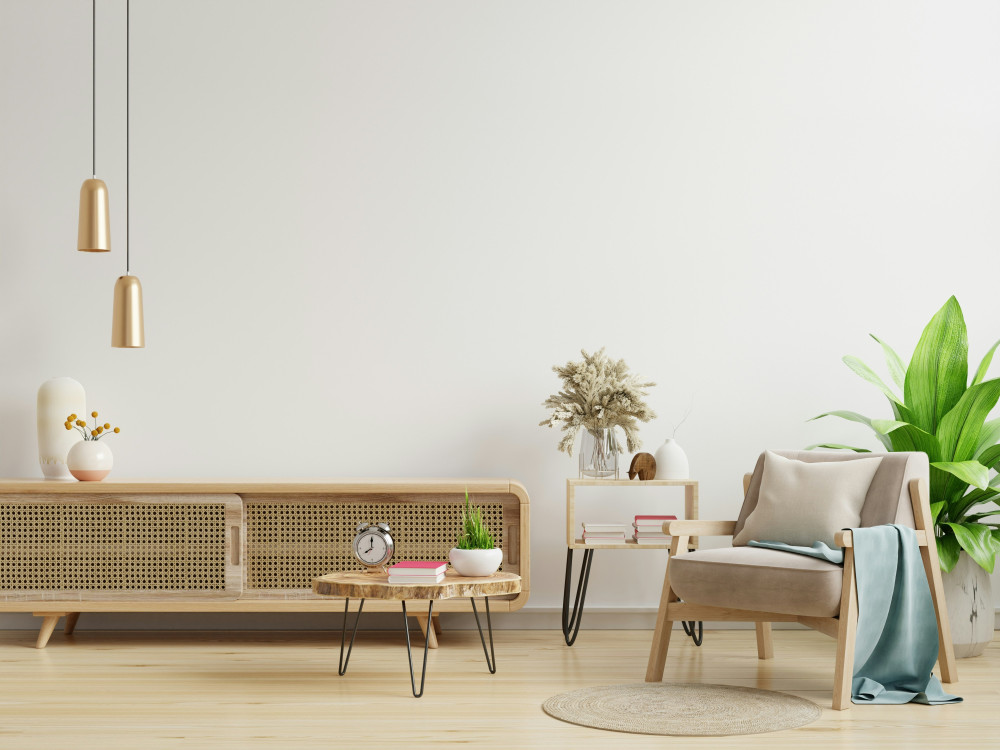
Lighting a Child’s Room – How to Combine Lamps for a Harmonious Lighting Environment

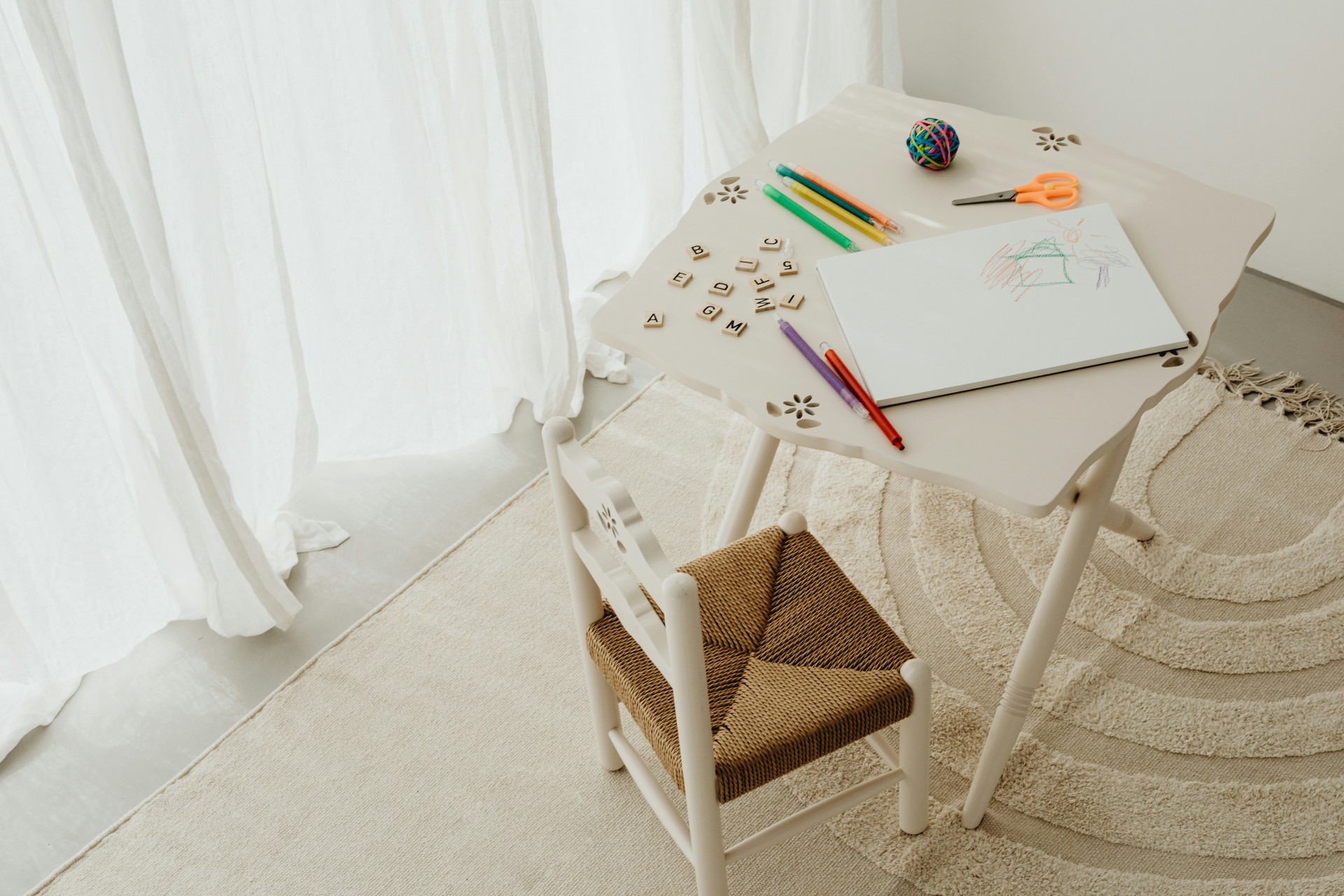
Lighting a Child’s Room – How to Combine Lamps for a Harmonious Lighting Environment
Lighting in a child’s room is about much more than simply being able to see where you’re going. It shapes the atmosphere, supports focus, and helps create a sense of comfort and security. A well-balanced lighting environment comes from combining different types of light so the room works for play, learning, and rest. Here’s how to layer and choose lamps to make your child’s room both cozy and functional.
Think in Layers – Not Just One Lamp
A single ceiling fixture rarely provides enough flexibility. Instead, think in layers of light, each serving a specific purpose. General lighting ensures even brightness, while task and ambient lighting add depth and character.
- General lighting: A ceiling light or recessed fixtures that spread light evenly across the room. Choose a dimmable option so you can adjust brightness for different times of day.
- Task lighting: A desk lamp or wall-mounted light near a reading nook or play area where your child can draw, read, or build.
- Ambient lighting: Small lamps, string lights, or nightlights that create a warm, comforting glow as bedtime approaches.
By combining these three layers, you can easily shift the mood from active playtime to calm relaxation.
Choose Lighting That Fits Your Child’s Age
Lighting needs change as children grow. A baby’s room calls for soft, soothing light, while a school-age child needs brighter, more focused illumination.
- For infants: Use warm, gentle light and avoid harsh bulbs. A low-level nightlight can provide reassurance during nighttime feedings or diaper changes.
- For toddlers and preschoolers: Play is the main activity, so make sure the room has good general lighting and durable fixtures that can handle a bit of roughhousing.
- For school-age children: A well-lit desk area is essential for reading and homework. Choose a lamp with an adjustable arm and shade so the light can be directed exactly where it’s needed.
As your child gets older, involve them in choosing lamps and colors—it helps them feel ownership of their space and makes the room more personal.
Color Temperature and Bulbs – Small Choices, Big Impact
The color tone of light has a major influence on mood. Warm light (around 2700–3000 Kelvin) feels cozy and relaxing, while cooler light (4000 Kelvin and above) promotes alertness and concentration. A good rule of thumb: use warm light for winding down and cool light for focused activities.
LED bulbs are an excellent choice—they’re energy-efficient, stay cool to the touch, and last for years. Look for bulbs with a high color rendering index (CRI above 80) so the colors in books, toys, and artwork appear natural and vibrant.
Create a Sense of Security with Light
Many children feel more comfortable with a bit of light at night. A small nightlight with a soft glow can make a big difference. Avoid bright lights that might interfere with sleep, and position the lamp so it casts a gentle light across the room rather than shining directly into your child’s eyes.
Motion-sensor lights are another smart option—they turn on automatically if your child gets up during the night, providing safety and reassurance without disturbing sleep.
Make Lighting Part of the Decor
Lamps can do more than illuminate—they can express personality and style. A colorful pendant, a whimsical wall lamp shaped like an animal, or a string of fairy lights along the bed can add charm and character. Consider how the light interacts with wall colors and furniture. Light-colored walls reflect light and make the room feel larger, while darker tones may need extra lighting to stay comfortable and inviting.
Practical Tips for a Safe Lighting Setup
Safety is key when decorating a child’s room with lamps.
- Keep cords out of reach and secured so they can’t be pulled.
- Avoid lamps that get hot to the touch.
- Use LED bulbs and child-safe sockets.
- Consider cordless or battery-powered lamps to eliminate tripping hazards.
A safe lighting environment gives peace of mind to both parents and children.
A Room That Grows with Your Child
A harmonious lighting setup is all about flexibility. With dimmable fixtures, movable lamps, and thoughtful placement, you can easily adapt the room as your child grows. Good lighting in a child’s room isn’t static—it evolves with their needs, supporting play, learning, and rest in equal measure.