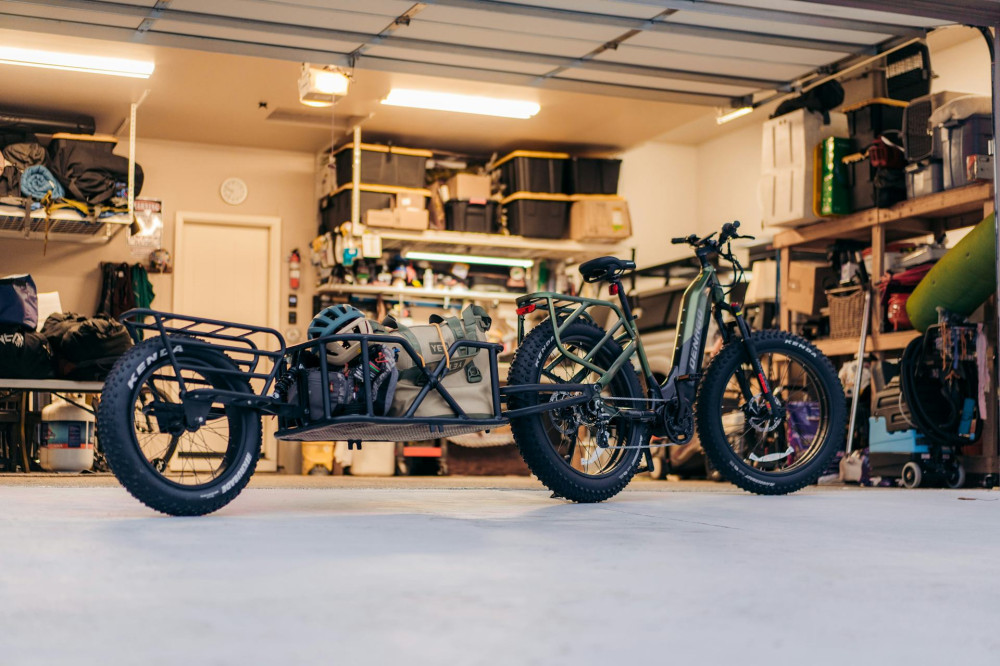
Better Air Circulation in Your Garage with Small Adjustments


Better Air Circulation in Your Garage with Small Adjustments
A garage often serves many purposes beyond parking your car. It can double as a workshop, storage space, or hobby area—and that’s why good air circulation matters. Poor ventilation can lead to moisture buildup, mold, and unpleasant odors that may damage both the structure and the items you keep inside. Fortunately, with a few simple adjustments, you can significantly improve airflow without spending a lot of money.
Why Air Circulation Matters
When air in your garage becomes stagnant, moisture and pollutants start to accumulate. These can come from your car’s exhaust, paint, cleaning products, or damp items stored inside. Over time, this can cause rust, mold growth, and musty smells. Proper air circulation helps move humid, contaminated air out and bring fresh air in—just like in the rest of your home.
Even if your garage isn’t heated or cooled, allowing air to move freely helps protect the building and everything stored there.
Læs også:




Start by Creating Cross-Ventilation
The simplest way to improve air circulation is to create cross-ventilation. If your garage has doors or windows on opposite sides, open them at the same time to let air flow through. Even a few minutes of cross-breeze a couple of times a week can make a noticeable difference.
If your garage only has one door, consider installing a vent or louver on the opposite wall. This gives air a natural path to move in and out, helping circulation even when the main door is closed.
Use Vents and Small Air Outlets
Wall or door vents are an inexpensive and effective solution. They come in many sizes and can be installed in walls, windows, or even the garage door itself. For best results, place one vent low and another high—warm air rises and escapes through the upper vent, while cooler air enters from below, creating a natural airflow.
Adjustable vents are a good option if you want more control. You can open them wide in summer and close them partially in winter to reduce drafts.
Consider a Small Fan or Exhaust System
A small wall- or ceiling-mounted fan can be a great investment, especially if your garage tends to get damp or stuffy. A fan with a humidity sensor can automatically turn on when moisture levels rise and shut off when the air is dry again. It requires little maintenance and keeps the air fresh year-round.
If your garage has electrical power, you can also install a simple exhaust fan on a timer to run for a few hours each day. This helps maintain consistent airflow without constant attention.
Keep Things Organized and Avoid Overcrowding
Even the best ventilation won’t work well if air can’t move around. Avoid filling your garage from floor to ceiling. Leave some space around walls and between stored items so air can circulate. Open shelving is better than closed cabinets, and keeping the floor as clear as possible helps too.
If you store damp items like lawn equipment, bicycles, or wet tires, let them dry before putting them away. This small habit can greatly reduce moisture buildup.
Watch for Moisture and Condensation
A simple hygrometer can tell you if humidity levels in your garage are too high. If it regularly reads above 60%, it’s time to improve ventilation. You can also look for condensation on windows or metal surfaces—these are clear signs that air isn’t moving enough.
If moisture remains a problem, consider adding a small dehumidifier. A compact electric model can quickly remove excess moisture and help maintain a stable indoor climate.
Small Changes, Big Results
You don’t need a major renovation to get better air in your garage. Often, a few practical steps—opening windows regularly, adding vents, and keeping things tidy—are enough. The result is a garage that feels fresher, drier, and more comfortable to work in, while also protecting your car, tools, and belongings for years to come.
Læs også: