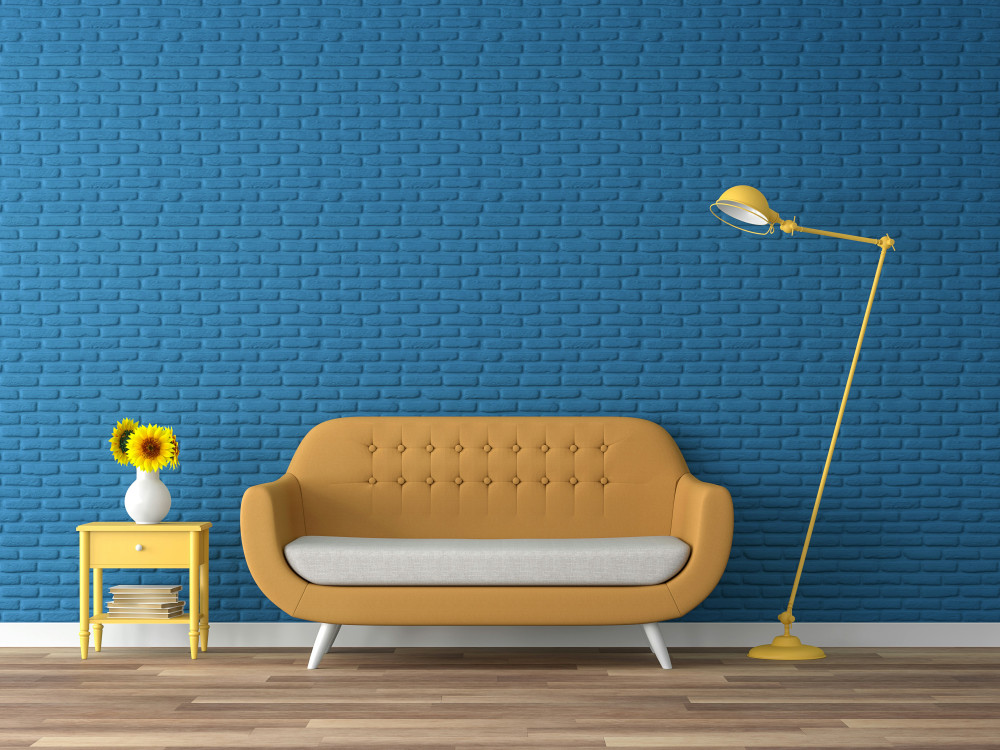
Choosing Sofa Colors – Find the Shade That Matches the Material

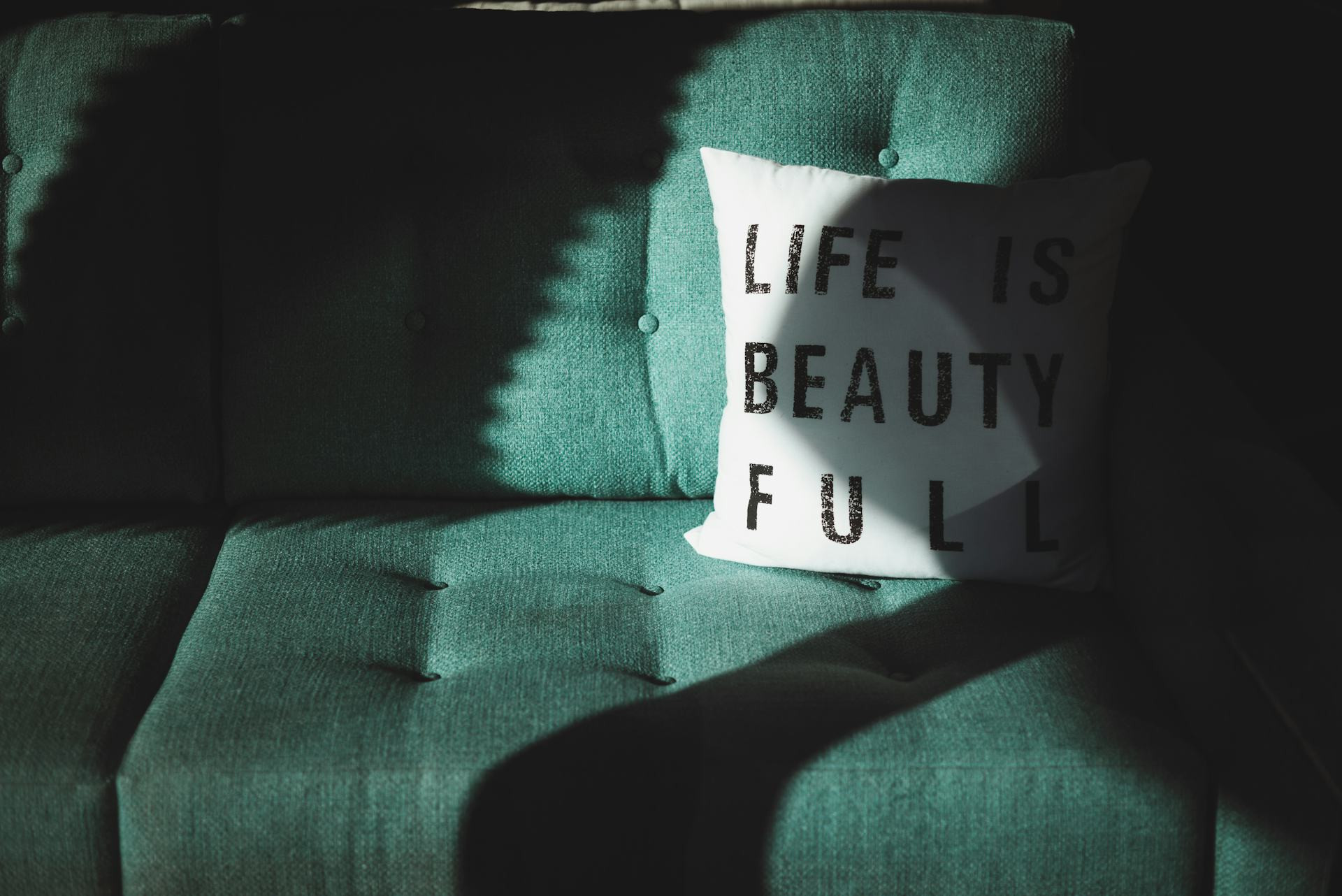
Choosing Sofa Colors – Find the Shade That Matches the Material
When choosing a color for your sofa, it’s not just about personal taste – it’s also about how the color interacts with the material. The same shade can look completely different on leather, linen, or velvet, and the right combination can make the difference between a sofa that blends in and one that becomes the centerpiece of your living room. Here’s a guide to finding the shade that best suits your material, style, and everyday life.
Start with the Material – It Sets the Tone
The fabric or upholstery you choose has a big impact on how a color appears. Some materials reflect light, while others absorb it, changing the intensity and mood of the color.
- Wool and wool blends have a soft, matte texture that gives a natural, cozy look. Muted tones like gray, sage, sand, and navy work beautifully, highlighting the fabric’s texture.
- Leather has a smooth surface that makes colors appear deeper and richer. Classic shades like dark brown, cognac, or black emphasize leather’s timeless appeal, while lighter tones like tan or cream create a more contemporary feel.
- Velvet reflects light differently depending on the direction of the pile, so the color can shift throughout the day. Deep jewel tones such as emerald, sapphire, or burgundy bring out velvet’s luxurious sheen.
- Cotton and linen offer a relaxed, breathable look. Soft neutrals like beige, ivory, or dusty rose fit perfectly in casual or coastal-inspired interiors.
Always ask for a fabric swatch before deciding. Place it in the room where the sofa will go and observe how the color changes in natural daylight and evening lighting.
Think About the Room as a Whole
A sofa is often the largest piece of furniture in a living room, so its color influences the entire space. Consider how it interacts with your walls, flooring, and other furnishings.
- In small spaces, light colors can make the room feel more open and airy.
- In larger rooms, darker shades can add warmth and a sense of grounding.
- If your walls are neutral, a colorful sofa can add personality – think olive green, terracotta, or navy.
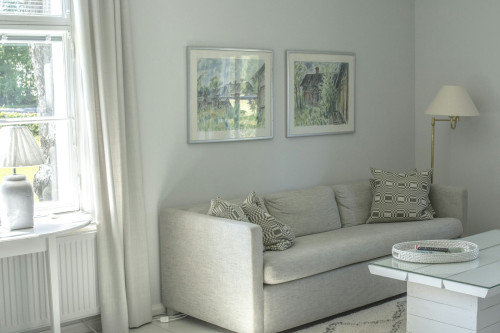
- If your walls already have color, a neutral sofa in beige, gray, or cream can balance the look.
A good rule of thumb is to start with your existing color palette and choose a sofa shade that either complements or contrasts it in a harmonious way.
Practical Considerations – Color Meets Everyday Life
Color choice isn’t just about aesthetics; it’s also about practicality. Sofas are used daily, and some colors are more forgiving than others.
- Dark colors hide stains and wear better but can make dust or pet hair more visible.
- Light colors create a fresh, elegant look but require more maintenance, especially on fabric upholstery.
- Textured or patterned fabrics can be a smart middle ground, disguising small marks or irregularities.
If you have kids or pets, consider a durable, easy-to-clean material or a slipcover that can be removed and washed.
The Mood of Colors – What Do You Want to Convey?
Colors influence how we feel in a space. Think about the atmosphere you want your living room to have.
- Blue feels calm and balanced – perfect for a relaxing family room.
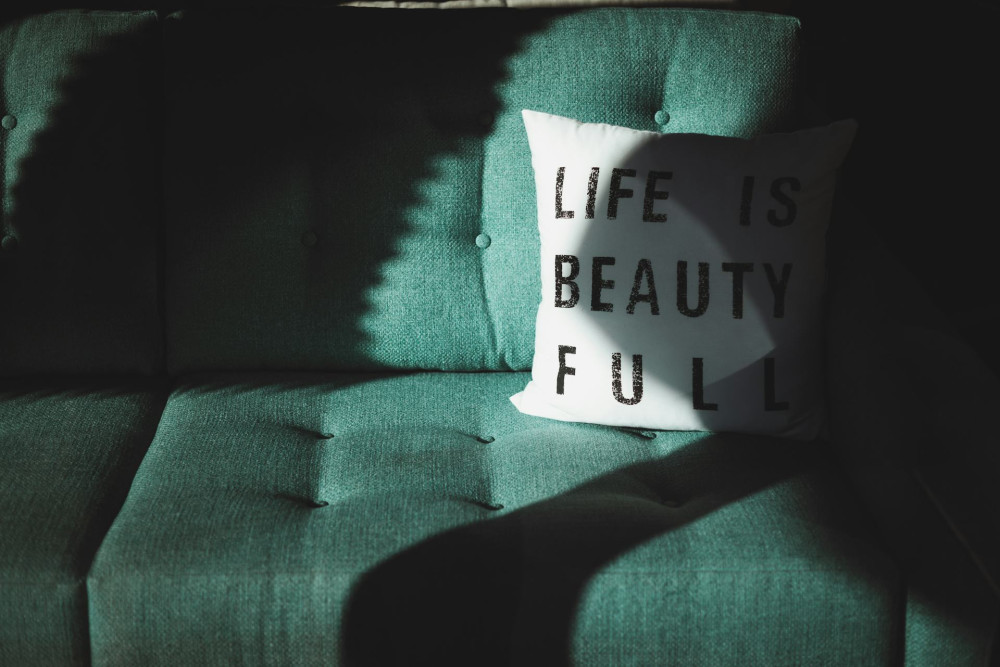
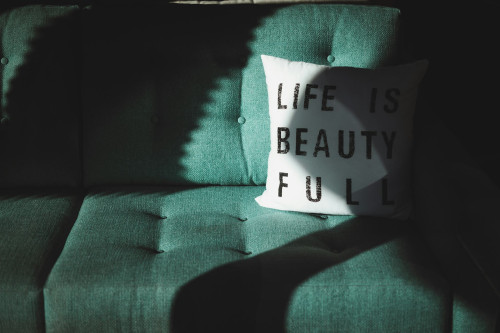
- Green brings freshness and harmony, pairing well with natural materials like wood and linen.
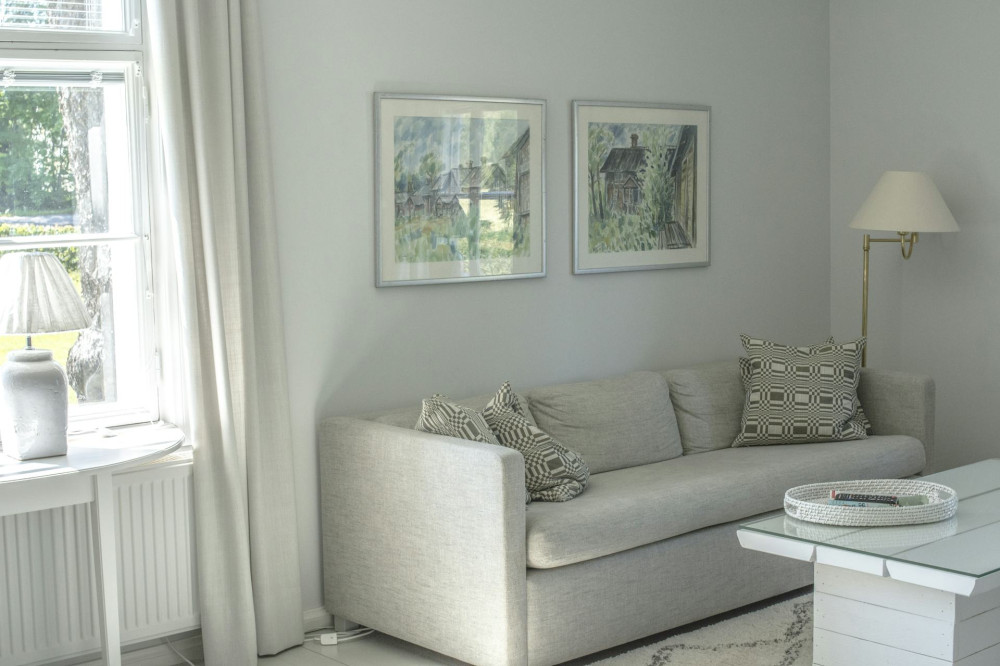
- Gray is timeless and versatile – it can feel cool or warm depending on the undertone.
- Beige and sand tones create warmth and serenity, serving as a neutral backdrop for colorful pillows or throws.
- Dark shades like charcoal, navy, or espresso add depth and sophistication but need good lighting to avoid feeling heavy.
By thoughtfully combining color and material, you can create a sofa that feels both personal and perfectly integrated into your home’s style.
Læs også:

Make the Sofa Part of the Whole
Once your sofa is in place, you can enhance its color with accessories. Pillows, throws, and rugs in contrasting or tone-on-tone hues can shift the look with the seasons or your mood. A dark sofa can be brightened with light textiles, while a pale sofa gains character from darker or more vibrant accents.
That way, your sofa becomes more than just a piece of furniture – it becomes a flexible design element where color, material, and atmosphere come together.
Læs også: