Colors and Textiles for Your Summer House – Create Harmony with Nature


Colors and Textiles for Your Summer House – Create Harmony with Nature
A summer house should be a retreat – a place where time slows down and nature sets the pace. The way you decorate plays a big role in how the space feels, and colors and textiles can make all the difference. By drawing inspiration from the surrounding landscape and choosing materials that speak the same language as nature, you can create a home that feels calm, warm, and authentic.
Colors That Reflect the Landscape
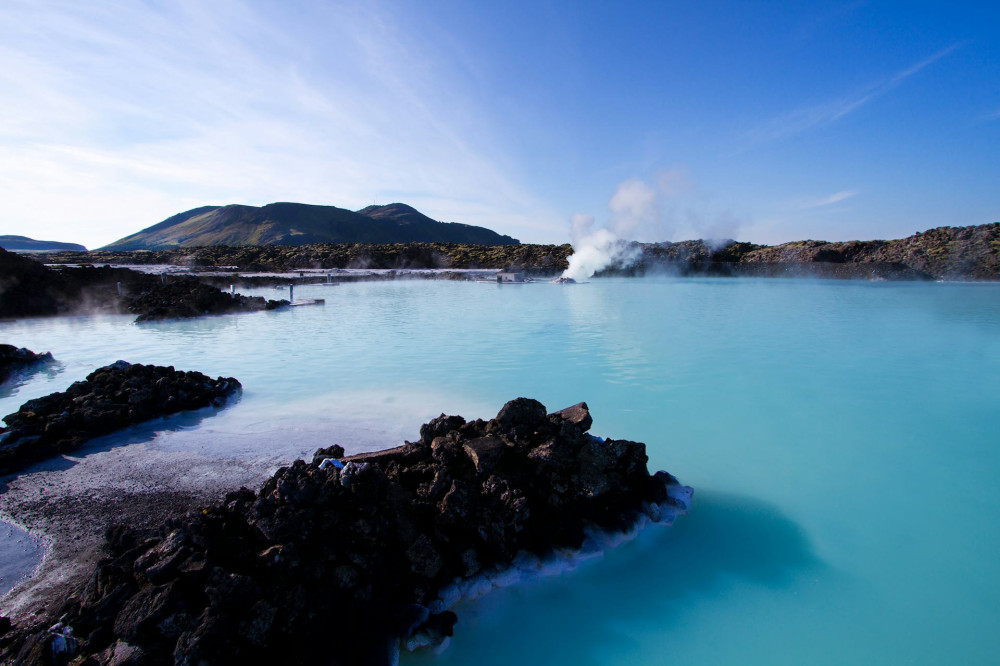
When choosing colors for your summer house, start with the natural palette outside your windows. Think of the tones you see in your surroundings: sandy neutrals, leafy greens, ocean blues, and soft grays. These hues create a seamless connection between indoors and outdoors.
- By the coast, light and airy shades like white, gray, blue, and beige complement the bright seaside light and create a fresh, open atmosphere.
- In wooded areas, deeper greens, browns, and earthy tones bring warmth and tranquility.
- In open countryside or desert landscapes, muted natural colors like ocher, rust, and sand harmonize beautifully with golden light and dry grasses.
The goal isn’t to copy nature but to let it inspire you. A subdued color scheme provides a sense of peace, while a few contrasts – such as a navy accent wall or a patterned rug – can add personality and energy.
Textiles That Set the Mood
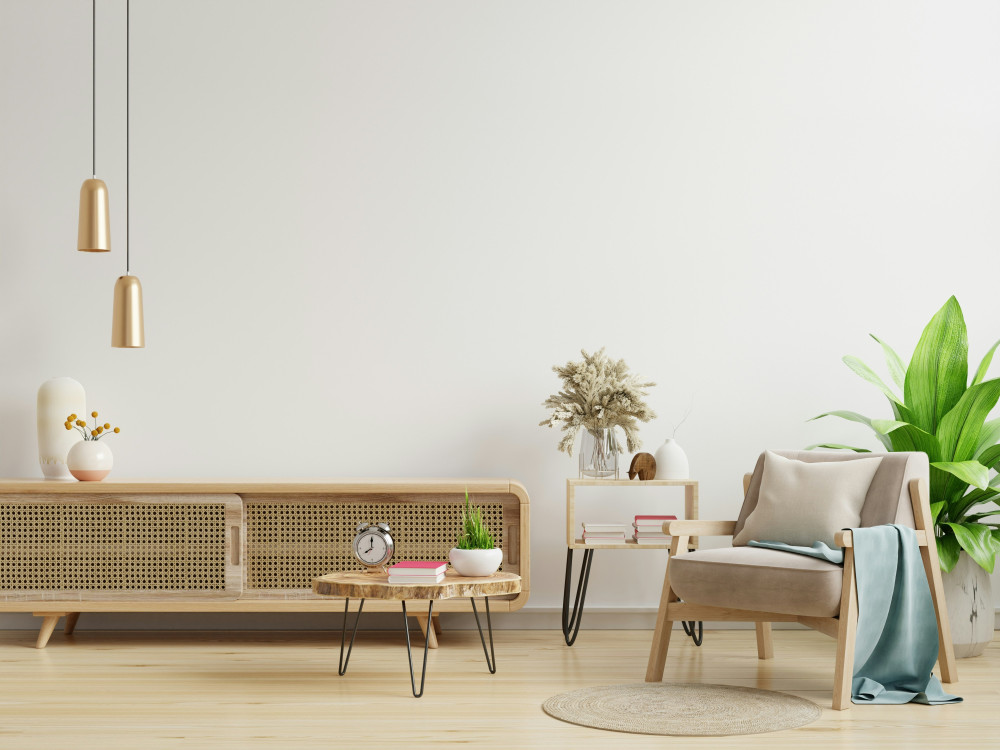
Textiles are key to comfort and coziness in a summer house. They soften the space and make it easy to change the look with the seasons. Choose materials that feel natural and simple – and that age gracefully over time.
- Linen offers a relaxed, breezy look, perfect for curtains, tablecloths, and bedding.
- Cotton is practical and comfortable, ideal for pillows and throws that need frequent washing.
- Wool adds warmth and texture, especially during cooler evenings.
- Jute and hemp work well for rugs and baskets, giving a rustic touch.
Mix different textures – a rough woven rug against a smooth linen tablecloth, or a soft wool throw draped over a wooden bench. This layering creates depth and a tactile experience that suits the informal atmosphere of a summer home.
Light and Air – Follow Nature’s Rhythm
A summer house should move with the rhythm of nature. Make the most of daylight and let it interact with your colors and fabrics. Sheer linen or cotton curtains filter sunlight beautifully, creating a gentle transition between indoors and outdoors. Avoid heavy drapes and dark fabrics that block the light – especially in smaller rooms.
In the evening, create a cozy glow with lamps made from natural materials like paper, bamboo, or ceramic. Warm light and soft tones help you unwind as the day fades.
A Personal Touch
Even though nature sets the tone, your summer house should reflect you and your family. A vintage quilt, a handmade pillow, or a painting from a local artist can give the space soul. It’s the blend of the personal and the natural that makes a summer home truly unique.
Consider using locally made materials or secondhand finds that fit your style. This not only adds character but also supports sustainability.
Connecting Indoors and Outdoors
To create true harmony, let your color palette and textiles flow from the inside out. Cushions, rugs, and table linens in the same tones as your interior help tie the terrace or porch to the rest of the house. Choose durable materials that can handle sun and wind but still feel soft and inviting.
When you sit outside with a cup of coffee and feel the breeze, you should sense that the house and the landscape belong together – as one whole.
Læs også:




A Summer House That Breathes with Nature
Designing your summer house isn’t about following trends; it’s about creating atmosphere. When colors, textiles, and materials work in tune with the surroundings, a sense of calm emerges – a place where you can breathe deeply and feel present. That’s the essence of summer living: a home where nature helps shape its soul.
Læs også: