How to Protect Fragile Items When You Move

How to Protect Fragile Items When You Move
When you’re preparing for a move, fragile items are often the ones that cause the most worry. Glassware, ceramics, electronics, and family heirlooms can easily be damaged if they’re not packed and handled properly. Fortunately, with the right preparation and a few smart techniques, you can greatly reduce the risk of breakage. Here’s a practical guide to help you protect your fragile belongings during your move.
Plan Ahead and Get Organized
A successful move starts with good planning. Begin by identifying which of your belongings are fragile and need extra care. This might include dishes, mirrors, lamps, or collectibles.
Make a list of these items and decide if any should be transported separately—perhaps in your own car rather than the moving truck. This is especially important for items with high sentimental or monetary value.
Use the Right Packing Supplies
The quality of your packing materials makes a big difference in how well your items survive the move. Don’t cut corners here—it’s worth the investment.
Here are the essentials:
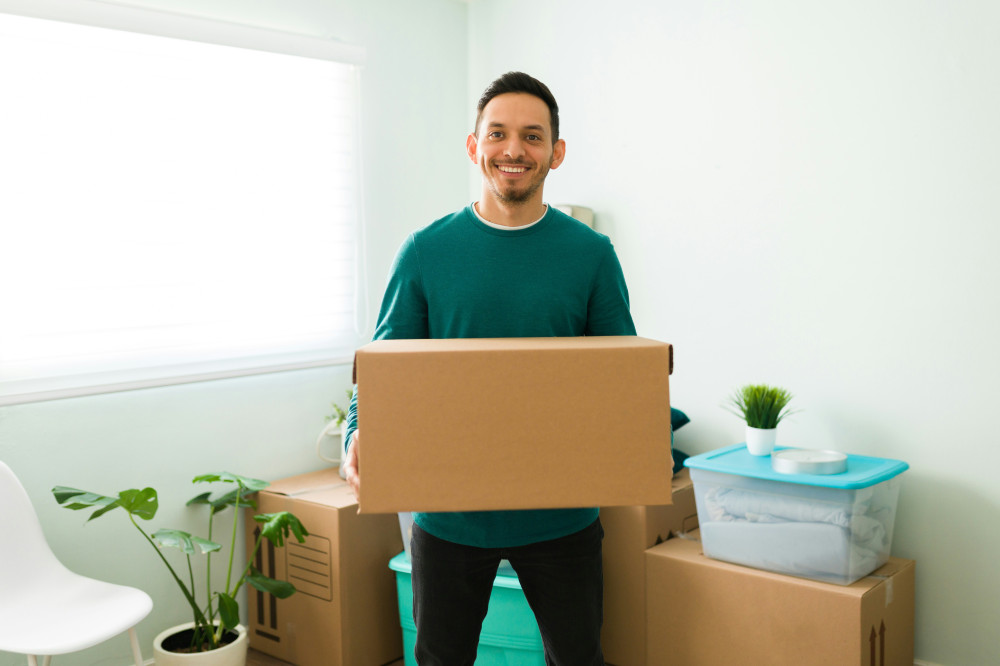
- Sturdy moving boxes – Choose strong boxes that can be sealed securely and handle weight.
- Bubble wrap and packing paper – Perfect for wrapping glass, porcelain, and electronics.
- Packing peanuts or crumpled paper – Fill empty spaces in boxes to prevent shifting.
- Packing tape and labels – Seal boxes tightly and clearly mark them as “FRAGILE.”
- Moving blankets or furniture pads – Ideal for protecting mirrors, artwork, and furniture.
If you’re hiring a moving company, ask if they offer professional-grade packing materials or packing services.
How to Pack Fragile Items
When packing fragile items, the goal is to prevent movement and cushion against impact. Each item should be individually protected.
- Glasses and cups: Wrap each piece in packing paper or bubble wrap. Place heavier items at the bottom of the box and lighter ones on top.
- Plates: Stand them on edge rather than stacking them flat. This reduces the risk of cracking under pressure.
- Vases and bottles: Fill empty spaces inside with paper or cloth to prevent collapse.
- Electronics: Use the original packaging if you still have it. Otherwise, wrap devices in bubble wrap and pack cords separately.
- Mirrors and framed art: Cover the surface with cardboard or a blanket, and tape an “X” across the glass to help prevent shattering.
Once a box is packed, there should be no empty space inside. Gently shake it—if you hear movement, add more padding.
During the Move: Handle with Care
Even the best-packed boxes can be damaged if handled roughly. Make sure fragile boxes are placed on top of heavier ones in the moving truck and never underneath furniture or boxes of books.
If you’re moving yourself, lift boxes carefully and avoid stacking them too high. Use straps or bungee cords to keep boxes from shifting during transit.
For long-distance moves, check periodically to ensure everything is still secure. Be mindful of temperature changes—extreme heat or cold can affect electronics, artwork, and certain materials—so avoid leaving them in a hot car or cold truck for long periods.
Unpacking Safely
When you arrive at your new home, take your time unpacking fragile items. Place boxes in the rooms where the items belong and open them one at a time.
Don’t rush or tear off wrapping too quickly—it’s easy to drop something in the process. Inspect each item as you unpack, and consider saving the packing materials for future use.
Læs også:
Consider Professional Help
If you have a lot of fragile or valuable items, hiring professional movers can be a smart investment. Experienced movers know how to handle everything from glassware and electronics to artwork and antiques. Many companies also offer insurance options that cover potential damage.
Knowing your belongings are in expert hands can give you peace of mind throughout the move.
A Careful Move Is a Safe Move
Protecting fragile items ultimately comes down to preparation and attention to detail. With quality materials, a thoughtful approach, and a bit of patience, you can ensure your cherished belongings arrive safely—ready to make your new house feel like home.
Læs også: