Natural Materials Create a Sensory Atmosphere in the Bedroom


Natural Materials Create a Sensory Atmosphere in the Bedroom
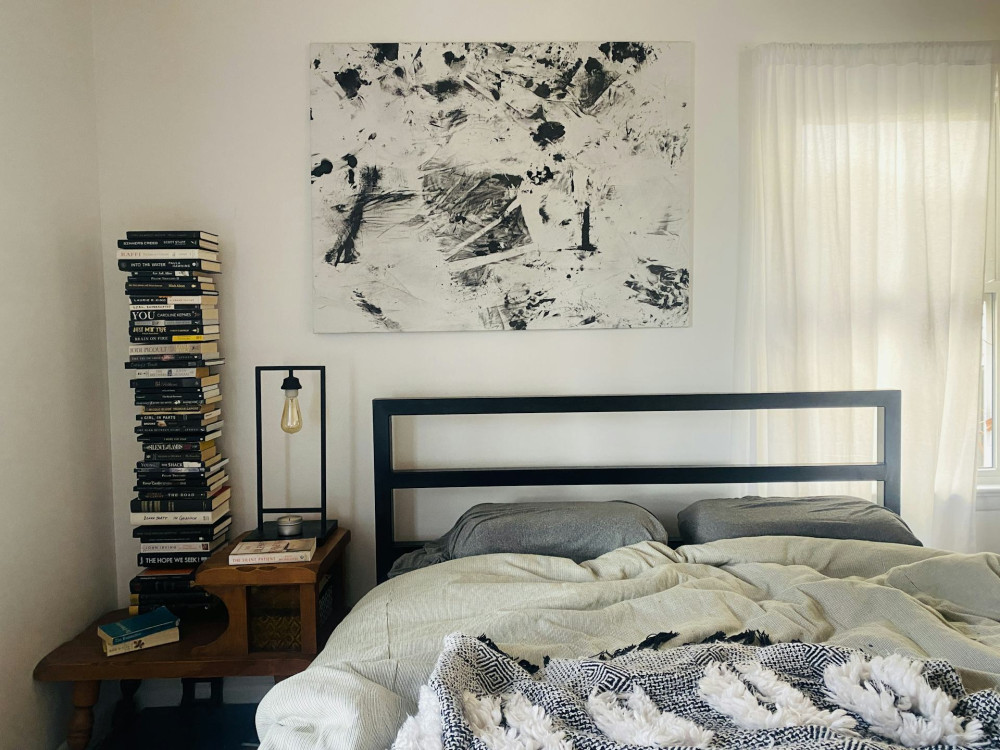
A bedroom should be a place where both body and mind can unwind. In a world filled with screens, synthetic fabrics, and fast-paced routines, many Americans are rediscovering the calming power of natural materials. Wood, wool, linen, and clay don’t just look beautiful—they influence how a space feels and how we rest. Here’s how you can use nature’s textures and tones to create a soothing, sensory atmosphere in your bedroom.
Wood – Warmth and Serenity as a Foundation
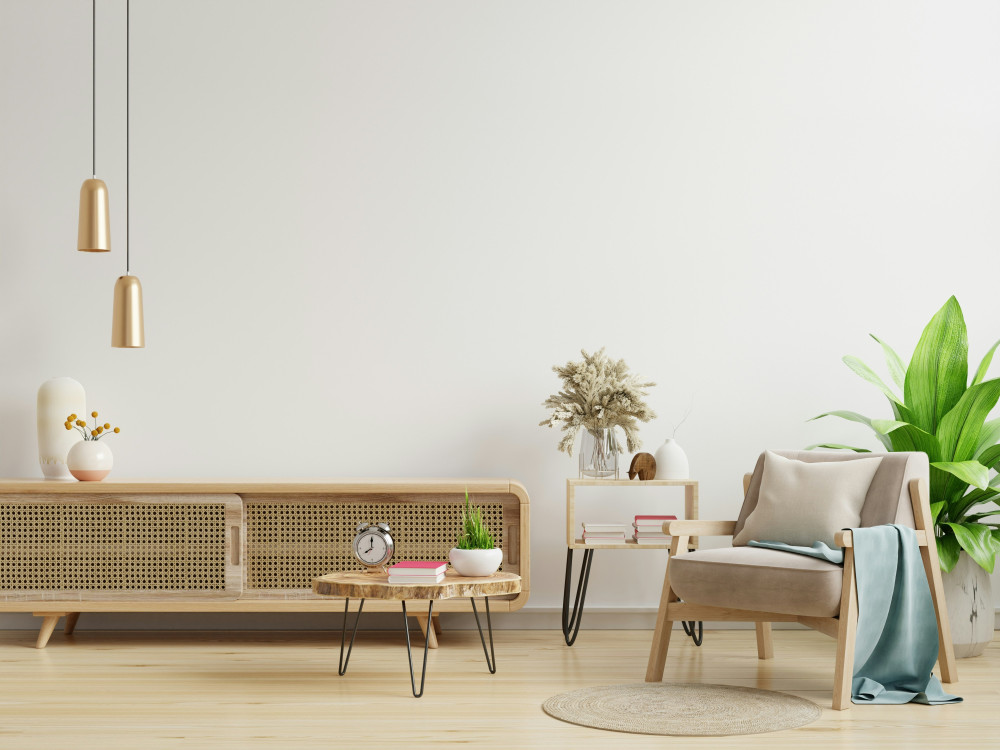
Wood is one of the most grounding materials you can bring into a bedroom. It adds warmth, texture, and a sense of calm. A hardwood floor with visible grain, a walnut headboard, or a maple nightstand can give the room character without overwhelming it.
For a light and airy look, choose pale woods like ash, birch, or white oak. They reflect light and make the space feel open. Darker woods such as walnut or cherry create a more intimate, cocoon-like atmosphere. Whatever you choose, let the natural surface shine through—imperfections and grain patterns are what make wood feel alive.
Textiles in Linen, Cotton, and Wool
Textiles play a central role in the bedroom. Bedding, curtains, and rugs are in direct contact with your body and influence both comfort and mood. Natural fibers like linen, cotton, and wool breathe and regulate temperature, helping you sleep better through the night.
- Linen offers a relaxed, slightly wrinkled look that feels effortlessly natural.
- Cotton is soft, durable, and easy to care for—a timeless choice for everyday comfort.
- Wool adds warmth and texture, especially in throws, rugs, or accent pillows.
By layering different textures—smooth linen, crisp cotton, and cozy wool—you create a tactile richness that invites relaxation.
Nature-Inspired Colors
Color has a powerful effect on how we experience a room. In the bedroom, soothing, nature-inspired tones work best. Think soft earth shades, muted greens, and warm grays. These hues evoke the calm of forests, sand, and stone—elements that instinctively help us unwind.
If you want a touch of vibrancy, add subtle accents through textiles or decor. A sage-green blanket, a terracotta vase, or a few leafy plants can bring life to the space without disrupting its harmony.
Plants as Living Elements
Plants bring nature directly into your bedroom. They purify the air, add humidity, and create a sense of vitality. Choose low-maintenance varieties that thrive in indirect light, such as peace lilies, snake plants, or ferns. A single large plant in a clay pot can make a striking, organic statement.
If you prefer something low-effort, dried flowers or branches can be a beautiful alternative. They last for months and complement a natural, earthy aesthetic.
Details That Engage the Senses
Small details can heighten the sensory experience. A lamp with a linen or paper shade casts a soft, warm glow. The scent of beeswax candles or essential oils can enhance the feeling of calm. Even the gentle creak of a wooden floor can add to the sense of authenticity.
Avoid too many synthetic materials or glossy finishes—they can disrupt the natural balance. Instead, let materials speak for themselves: a woven basket, a stone accent wall, or a mirror framed in reclaimed wood.
Læs også:



A Space for Rest and Presence
Designing with natural materials isn’t just about style—it’s about creating a space that feels genuine and restorative. A place where you can breathe deeply, slow down, and reconnect with yourself. In a busy, digital world, a bedroom grounded in nature becomes more than a place to sleep—it becomes a sanctuary for the senses.
Læs også: