The Flexibility of Materials and Their Impact on Seating Comfort

The Flexibility of Materials and Their Impact on Seating Comfort
When we sit down, few of us think about how much the materials in a chair influence the way we feel. Yet behind every comfortable seat lies a careful balance between flexibility, support, and adaptability. Whether it’s an office chair, a dining chair, or a lounge chair, the flexibility of the materials plays a crucial role in how our bodies experience comfort over time.
What Does Flexibility Mean in Materials?
Flexibility refers to a material’s ability to yield under pressure without losing its shape or strength. In furniture design, this means the material can adjust to the body’s movements and weight distribution. A flexible material absorbs pressure and motion, allowing the body to feel supported rather than restricted.
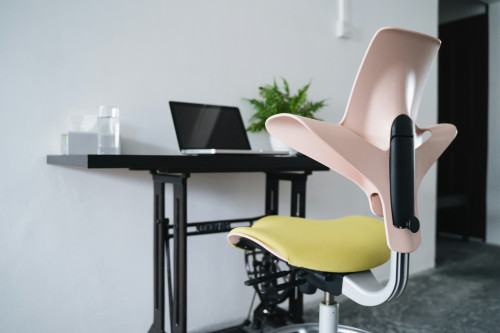
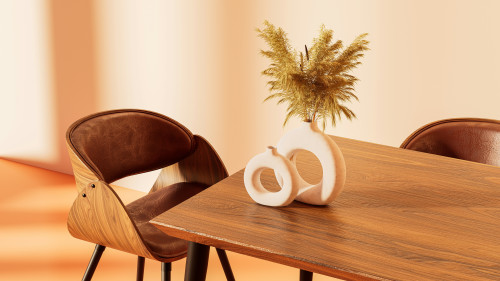
For example, a backrest made of molded plywood or a seat made of elastic mesh can provide a gentle spring-like response that follows the body’s movements. This reduces tension in the back and legs and makes it easier to sit comfortably for longer periods.
Læs også:
Rigid and Soft Materials – Finding the Right Balance
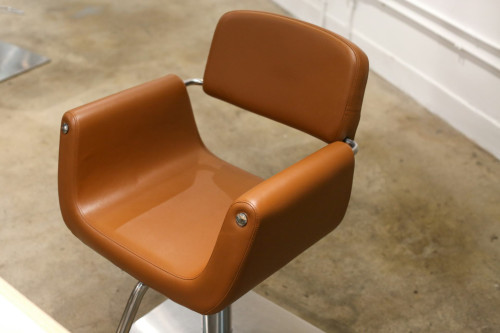
A chair should be neither too hard nor too soft. Excessive rigidity can create pressure points and restrict circulation, while too much softness can cause the body to sink and lose proper support. True seating comfort arises when materials work together to provide both stability and flexibility.
- Wood and metal offer structure and durability but often need padding or ergonomic shaping to feel comfortable.
- Foam and textiles add softness and adaptability but must have the right density to maintain their form over time.
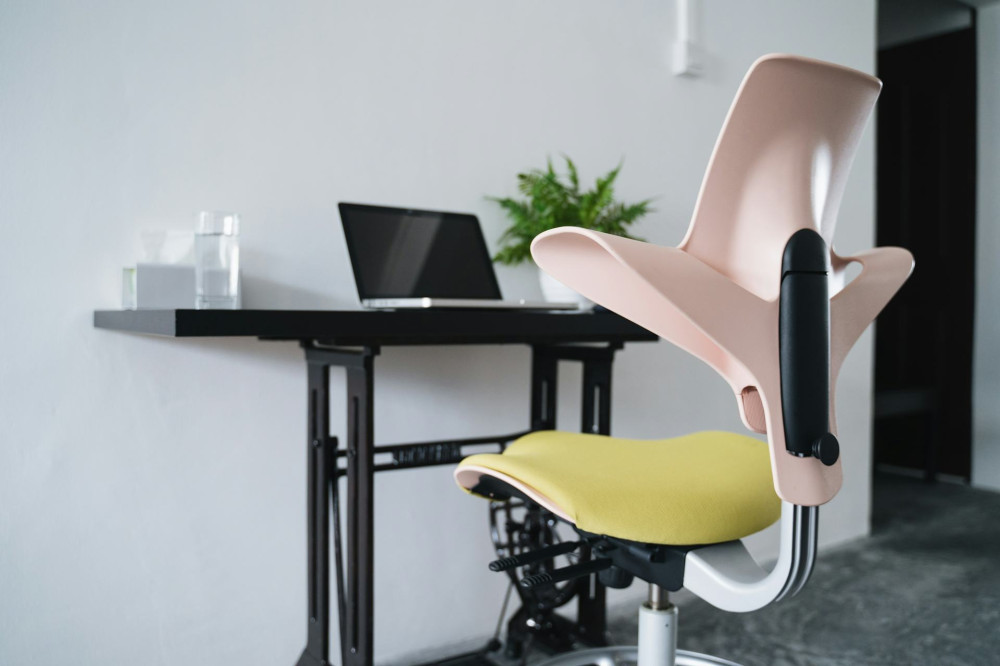
- Elastic mesh materials have become popular in modern office chairs because they combine breathability with flexible support.
It’s this balance of properties that determines whether a chair feels comfortable after five minutes—and after five hours.
Movement as a Design Principle
The human body isn’t designed to stay still for long. That’s why a good chair should allow for small movements and shifts in posture. Here, material flexibility plays a key role. A backrest that yields slightly or a seat that adjusts to body weight helps muscles stay active and reduces fatigue.
In ergonomic design, this concept is often called “dynamic sitting”—a way of sitting that encourages micro-movements and natural posture changes. Flexible materials support this dynamic behavior, helping the body remain comfortable and engaged throughout the day.
Advances in Material Technology
Recent developments in material science have made it possible to design chairs that adapt to users in new ways. Memory foam molds to the body and returns to its original shape when pressure is released. Mesh fabrics with varying tension provide targeted support for the lower back, shoulders, and hips. New bio-based plastics combine flexibility with sustainability, offering eco-friendly alternatives without sacrificing performance.
These innovations show that comfort is no longer just about cushioning—it’s about intelligent use of materials. Today’s chairs can be lightweight, breathable, and supportive all at once, blending function with modern aesthetics.
Flexibility as Part of the Experience
When you sit in a chair, you can immediately sense whether it “gives” in the right way. The best comfort feels natural—as if the chair adapts to you, not the other way around. This is where material flexibility becomes part of the experience: an invisible yet essential factor that distinguishes a chair you simply sit in from one you truly enjoy.
Conclusion: Comfort Is in the Details
The flexibility of materials is not just a technical matter—it’s central to how we experience comfort. The right combination of firm and yielding materials can transform a chair from a basic piece of furniture into a tool for well-being. When designers understand how to harness the properties of materials, they don’t just create beautiful chairs—they create better ways to sit.
Læs også: