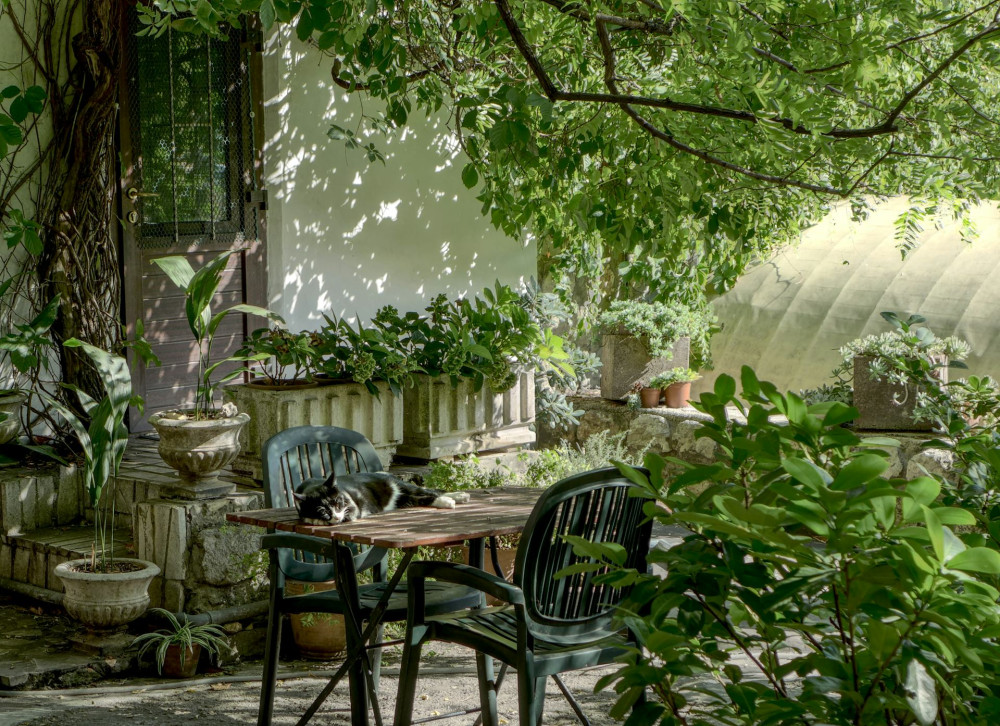
Use Seasonal Elements to Create an Atmospheric Garden Design

Use Seasonal Elements to Create an Atmospheric Garden Design
A garden is never the same twice. The light, colors, and scents shift with the seasons, making it a living space that constantly evolves. By designing your garden in tune with the rhythm of the year, you can create an outdoor environment that feels balanced and inviting all year long. Here’s how to use seasonal elements to shape a garden that reflects the beauty of every season.
Spring – Freshness and Renewal
Spring is the season of awakening. After months of dormancy, the garden bursts into life with new growth and color. It’s the perfect time to set the tone for the year ahead.
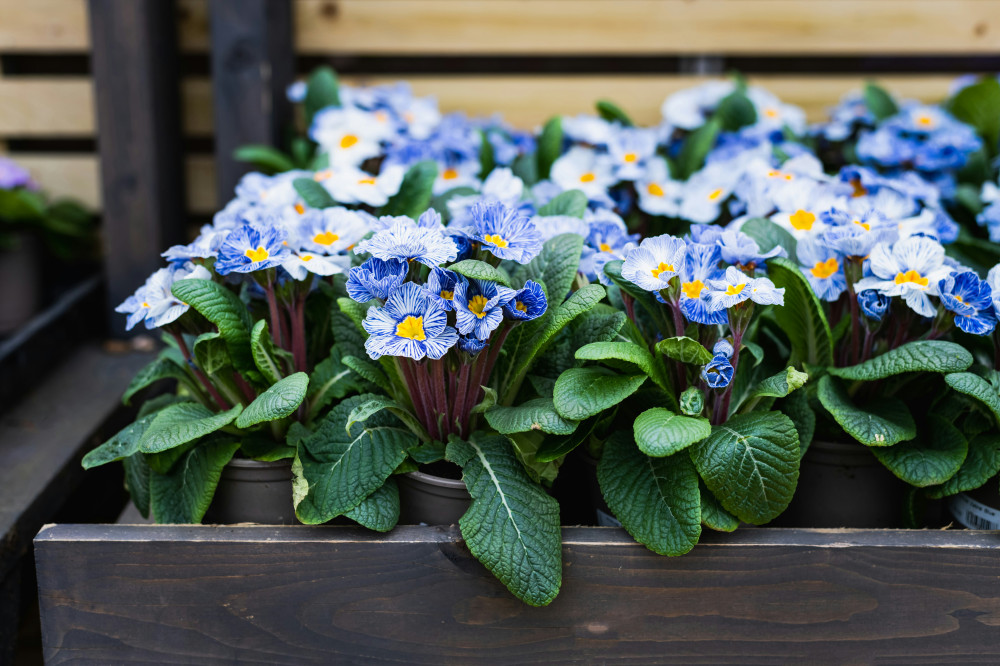
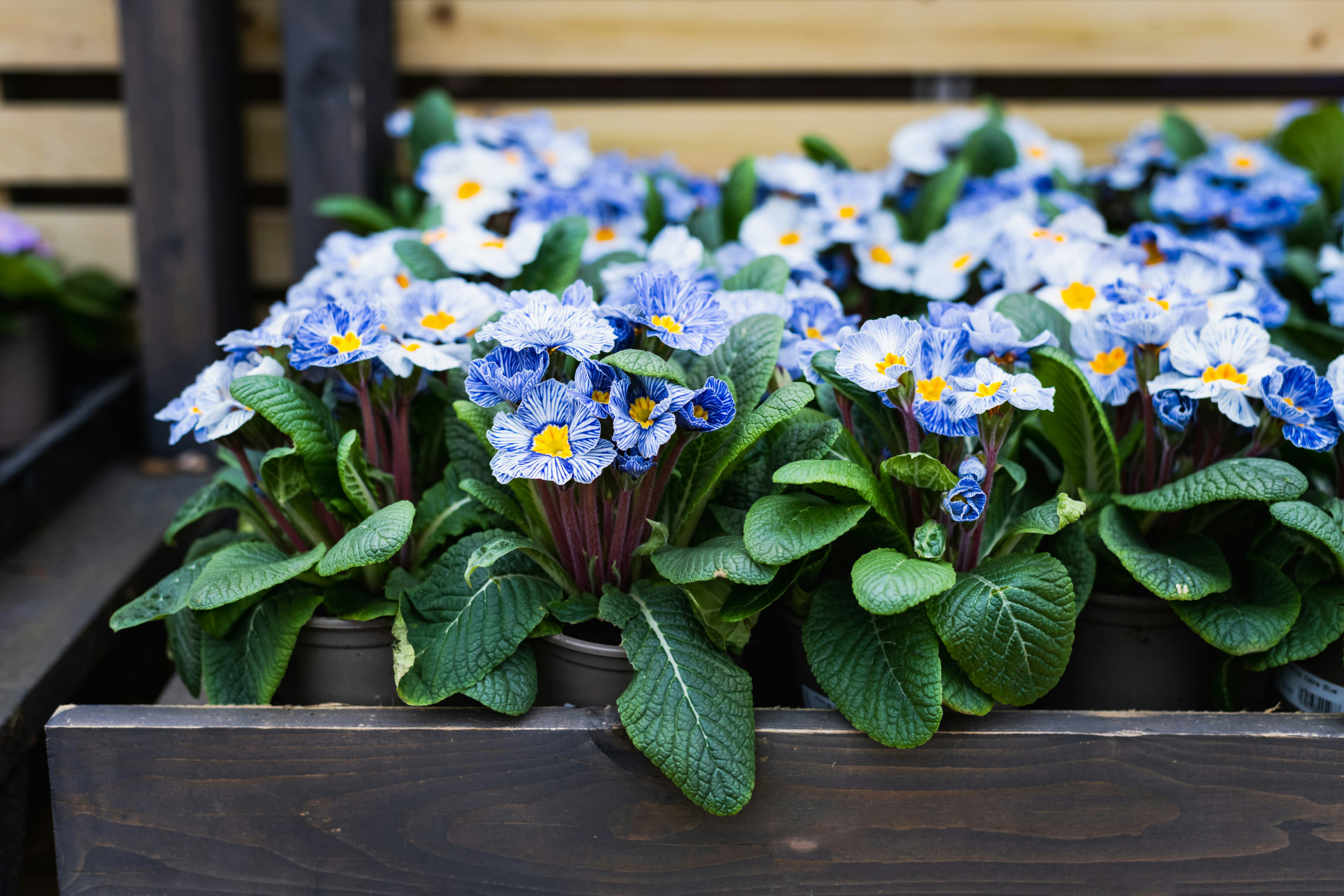
- Plant early bloomers such as daffodils, tulips, and hyacinths to bring color and cheer as soon as the weather warms.
- Incorporate soft, bright hues in planters and outdoor décor—pastels and fresh greens highlight the season’s lightness.
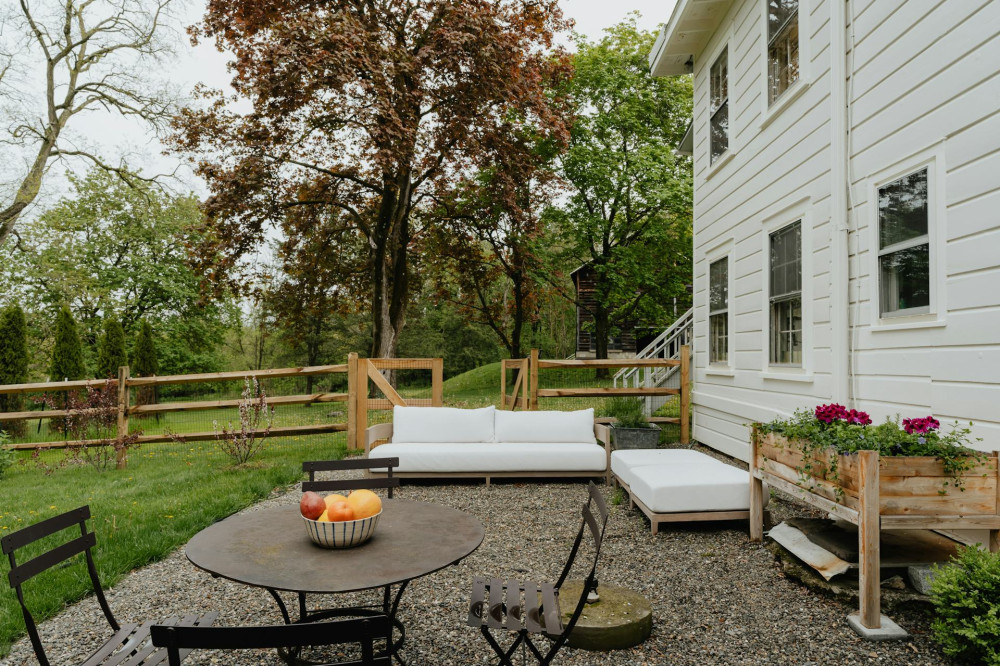
- Create sunny sitting spots where you can enjoy the first warm days. A small bistro set or bench under a flowering tree makes a lovely morning retreat.
Spring is about opening up the garden—prune, clear debris, and make space for new growth to thrive.
Læs også:

Summer – Abundance and Celebration
Summer is the garden’s high season. Everything is lush, fragrant, and full of life. It’s the time to enjoy your outdoor space to the fullest.
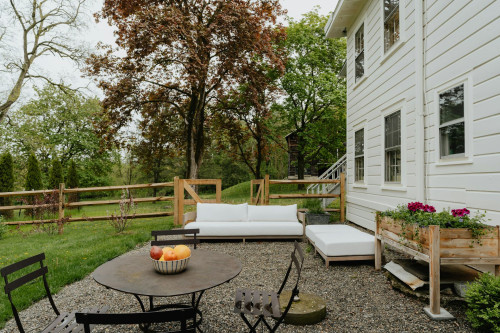
- Define garden “rooms” with hedges, trellises, or climbing plants to create cozy, private areas.
- Add fragrant favorites like lavender, roses, and gardenias to enhance the sensory experience.
- Use textiles and lighting—pillows, throws, and string lights make it easy to linger outdoors on warm evenings.
Don’t forget shade. A tree canopy, pergola, or patio umbrella provides comfort and adds visual interest to your summer garden.
Fall – Warmth and Reflection
As days grow shorter and leaves turn, the garden takes on a rich, peaceful atmosphere. Fall is the time to savor color and prepare for the colder months ahead.
- Plant fall bloomers such as asters, chrysanthemums, and ornamental grasses for texture and late-season color.
- Decorate with natural materials—branches, pinecones, and pumpkins can be used in wreaths or table displays.
- Add warmth with light and fire—lanterns, fire pits, or string lights create a cozy glow as evenings cool.
Fall is also a season for reflection. Take note of what worked in your garden this year and plan adjustments for next spring.
Winter – Structure and Serenity
Even when the garden rests, it can still be beautiful. Winter highlights form, texture, and contrast.
- Emphasize structure with evergreens, ornamental grasses, and the silhouettes of bare trees.
- Use lighting creatively—spotlights, candles, or fairy lights can accent pathways and focal points.
- Design a winter nook—a covered patio with blankets and lanterns lets you enjoy the crisp air in comfort.
Winter reminds us that stillness is part of nature’s rhythm—and that beauty often lies in simplicity.
Creating Year-Round Harmony
An atmospheric garden isn’t just about flowers; it’s about balance and continuity. By designing with the seasons in mind, you can create a space that feels alive and harmonious throughout the year.
- Choose plants that bloom at different times to ensure ongoing interest.
- Use natural materials—wood, stone, and metal—that age gracefully.
- Refresh your décor with seasonal touches—planters, fabrics, and lighting are easy to update.
When your garden follows the flow of the seasons, it becomes more than a landscape—it becomes a living reflection of time, change, and the beauty of nature’s cycle.
Læs også: