Use the Table’s Shape to Complement the Room’s Architecture

Use the Table’s Shape to Complement the Room’s Architecture
A table is more than a surface for dining, working, or gathering. It’s a central element that can either enhance or disrupt a room’s architecture. The shape of the table plays a crucial role in how a space feels and functions—guiding movement, defining flow, and influencing how people interact. By choosing the table’s shape thoughtfully, you can create harmony between function, aesthetics, and architectural expression.
The Table’s Shape as an Architectural Tool
Architects and interior designers think in lines, proportions, and spatial flow. A table can either follow these lines or intentionally break them to create contrast. A rectangular table, for instance, can emphasize a room’s length and sense of direction, while a round table can soften sharp angles and bring a sense of unity.
Shape is not just a matter of taste—it’s a design tool that highlights a room’s character. In a space with high ceilings and large windows, a long, narrow table can accentuate the room’s stretch, while an oval table can soften rigid geometry and create a more organic balance.
Rectangular Tables – Structure and Direction
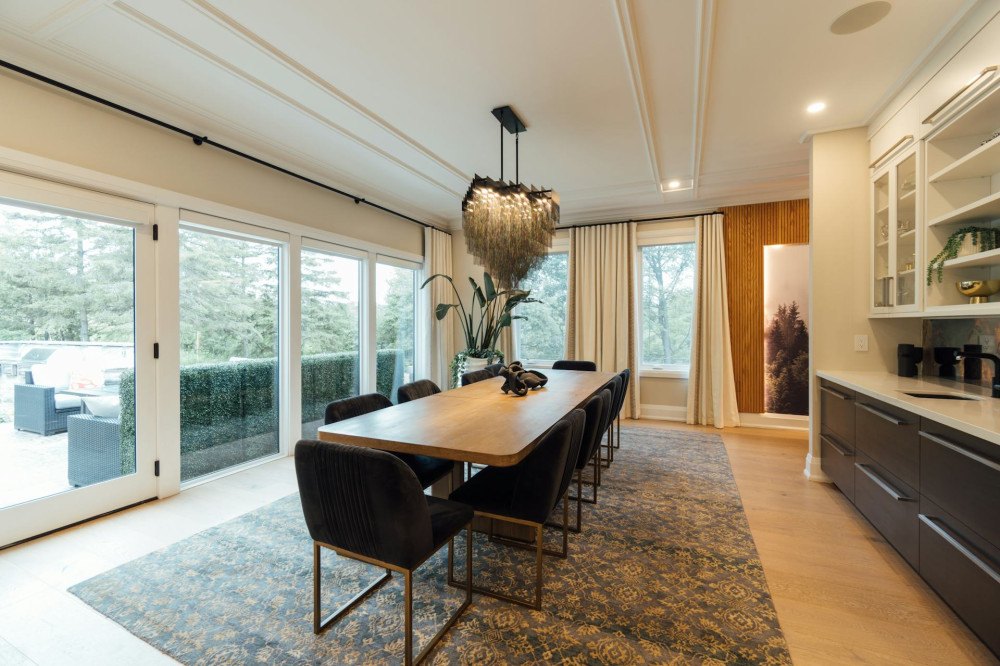
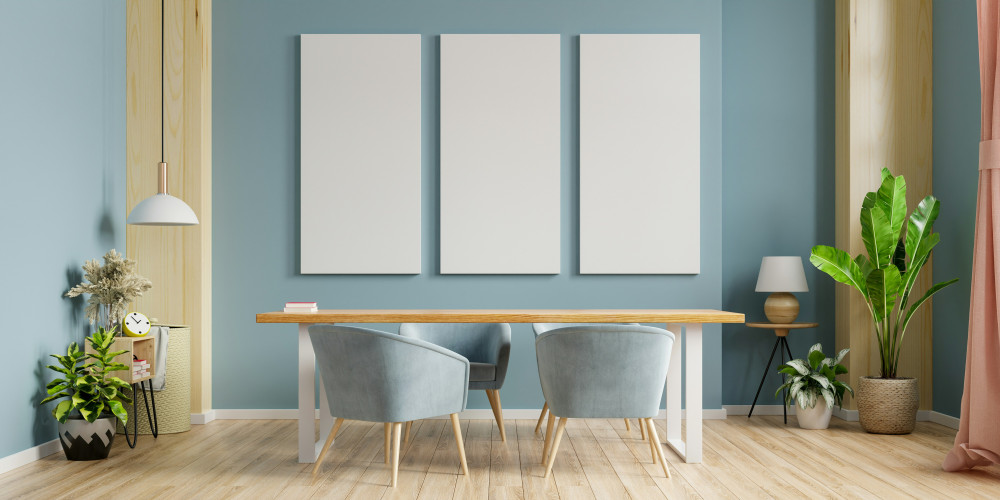
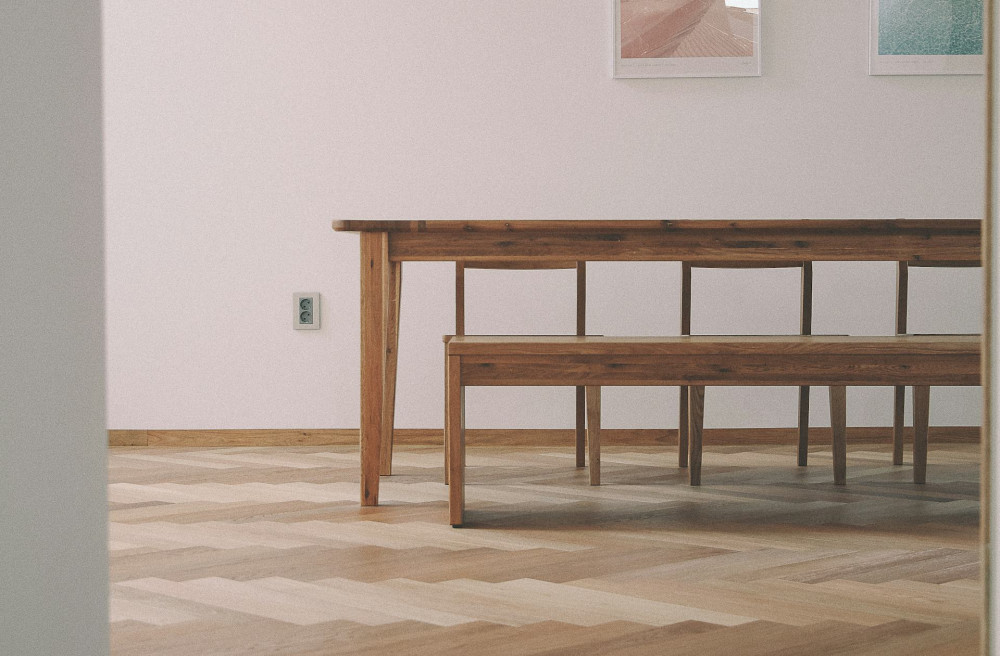
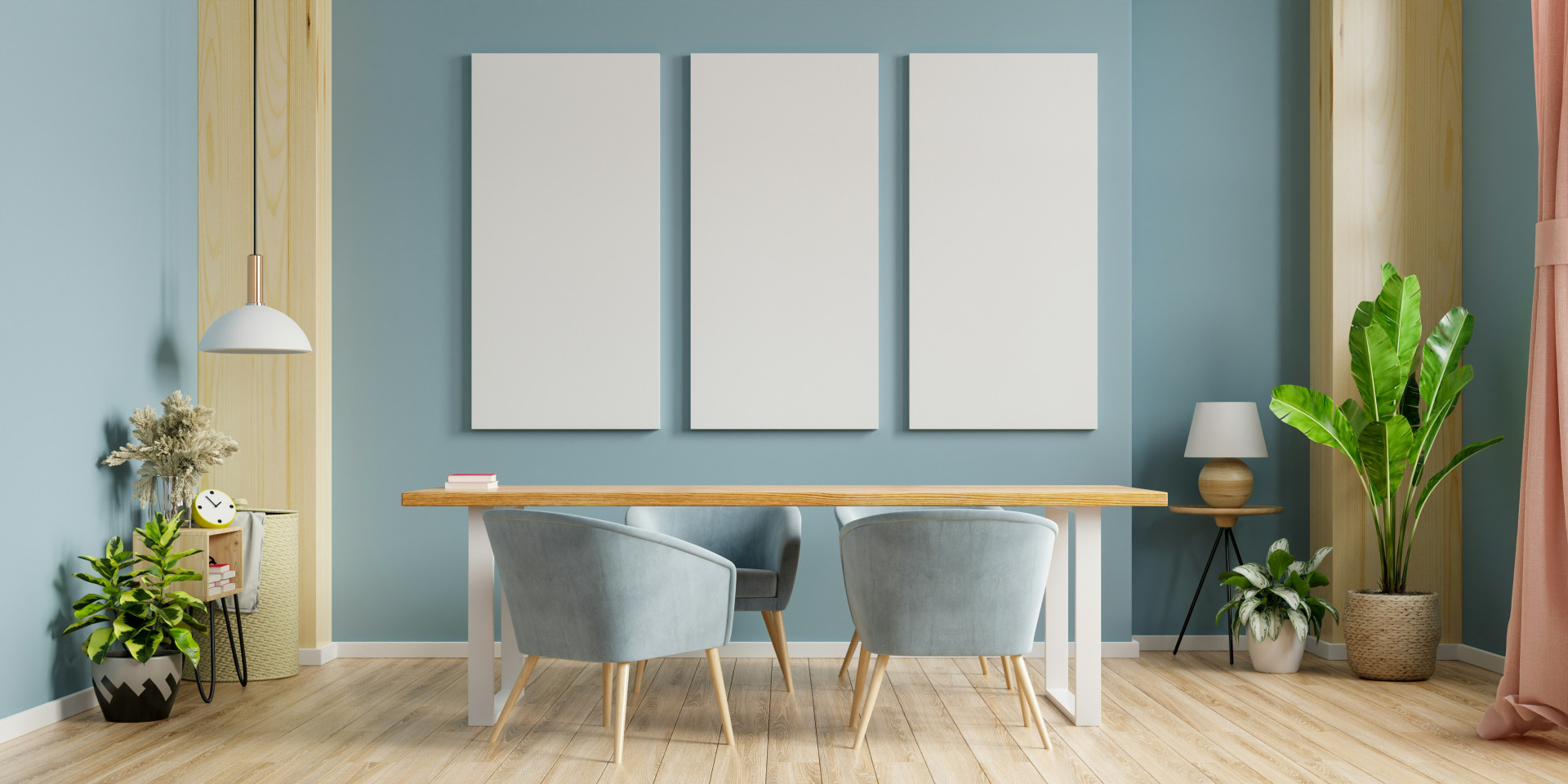
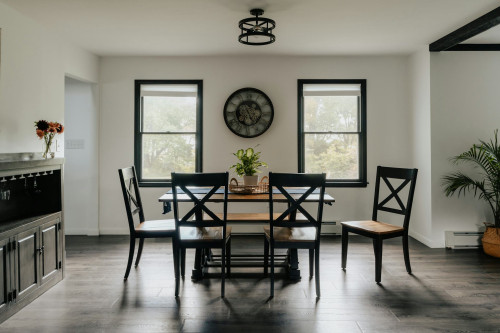
The rectangular table is a timeless choice, and for good reason. It fits naturally into most American homes, where walls and windows often form straight lines. This shape creates order and direction, making it ideal for dining rooms, conference areas, and home offices.
A long table can serve as the room’s axis—a gathering point that ties the architecture together. In large open spaces, it helps establish structure, while in smaller rooms, it can visually elongate the space when aligned with the room’s main lines.
Round and Oval Tables – Flow and Connection
Round and oval tables invite conversation and closeness. With no corners, everyone sits at an equal distance from the center, making these shapes perfect for spaces where you want a relaxed, inclusive atmosphere—like a kitchen nook or a family dining area.
Architecturally, a round table can balance a room filled with sharp angles, breaking up straight lines and adding softness and movement. In compact spaces, a round table can also make the room feel more open, since it lacks corners that visually block space.
Square Tables – Symmetry and Calm
A square table conveys stability and calm. It works well in rooms with balanced proportions, where symmetry is part of the design. However, it can feel heavy in narrow spaces, where it interrupts the flow, so it’s best suited for square or open-plan rooms.
From an architectural perspective, a square table can act as a central anchor—an element that gathers the room around it. It signals balance and equality, making it a good choice for spaces where you want a sense of order and composure.
Organic Shapes – Movement and Modernity
In recent years, organic table shapes have gained popularity in American interiors. Their soft, asymmetrical lines create a natural flow and bring a sense of life to a space. In architectural design, they’re often used to break up monotony and add visual interest.
A freeform table can be especially effective in open floor plans, helping to define zones without creating rigid separations. It can also echo natural forms—a nod to the growing interest in biophilic design, which integrates nature’s aesthetics into modern architecture.
Læs også:
The Relationship Between Shape, Material, and Light
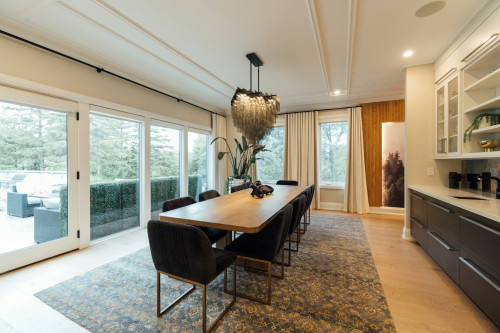
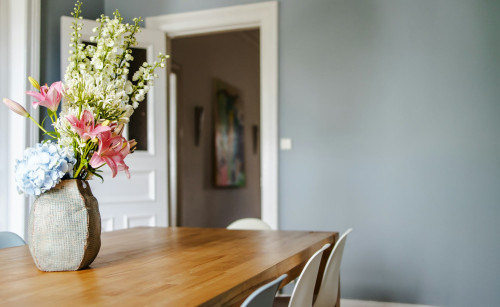
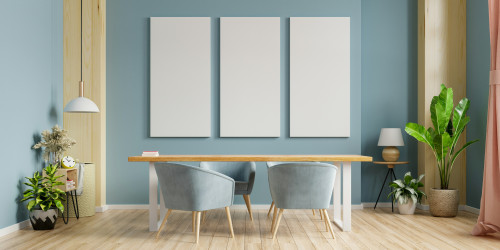
A table’s shape should always be considered alongside its materials and the room’s lighting. A round table in light oak can enhance a space with soft, natural lines, while a rectangular table in dark metal can complement an industrial loft. Light also plays a key role—a table near a window can emphasize the geometry of the space, while one centered under a pendant light can become the visual heart of the room.
By thinking about shape, material, and placement together, you can create a table that doesn’t just fit the room but actively contributes to its architectural expression.
A Table That Speaks the Room’s Language
Ultimately, choosing a table is about finding a shape that speaks the same language as the room. A well-chosen table supports the architecture—it highlights the room’s strengths, creates balance, and invites use. Whether you choose a crisp rectangular table, a soft round one, or an expressive organic form, the decision should be intentional and in dialogue with the room’s lines and purpose.
A table isn’t just furniture—it’s part of the architecture.
Læs også: