Adjust Your Pet’s Space for the Changing Seasons

Adjust Your Pet’s Space for the Changing Seasons
The changing seasons affect more than just our wardrobes and routines—they also have a big impact on our pets. Shifts in temperature, humidity, and daylight can influence your pet’s comfort, behavior, and health. By adjusting your pet’s space throughout the year, you can help them stay happy and healthy no matter the weather. Here’s how to make seasonal changes work for your furry (or feathered) friend.
Spring: Fresh Air and Shedding Season
As the days grow longer and warmer, pets often become more active—and start shedding their winter coats.
- Brush more often – Regular grooming helps manage shedding and keeps your pet’s skin healthy.
- Let in sunlight and fresh air – Open windows or spend time outdoors, but always provide shaded areas where your pet can cool off.
- Inspect outdoor spaces – Check your yard or patio for hazards like toxic plants, sharp objects, or gaps in fences that may have appeared over winter.
- Start parasite prevention – Fleas, ticks, and mosquitoes become active in spring, so begin preventive treatments early.
Spring is also a good time to adjust your pet’s diet if they were less active during the colder months.
Summer: Keep It Cool and Comfortable
Hot weather can be tough on pets, especially those with thick coats or short snouts. Overheating is a serious risk, so focus on keeping your pet cool and hydrated.
- Provide shade and fresh water – Keep multiple water bowls filled and place them in shaded areas.
- Avoid hot surfaces – Asphalt and sand can burn paws. Walk your dog early in the morning or later in the evening.
- Create cool resting spots – Use cooling mats, damp towels, or fans to help your pet stay comfortable indoors.
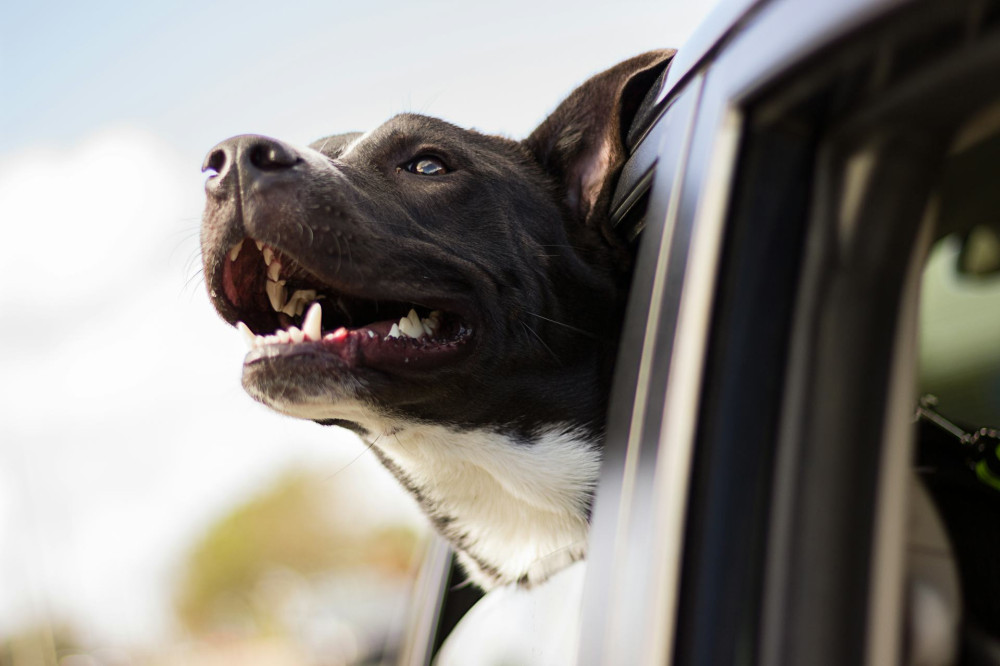
- Never leave pets in cars – Even with windows cracked, temperatures can rise dangerously fast.
If you have small animals like rabbits or guinea pigs, move their enclosures out of direct sunlight and ensure good airflow. They are especially sensitive to heat.
Læs også:
Fall: Preparing for Cooler Days
As temperatures drop and humidity rises, it’s time to make your pet’s space cozier and ready for winter.
- Check bedding and sleeping areas – Make sure they’re dry, draft-free, and insulated from cold floors.
- Adjust food and activity levels – Pets may be less active in cooler months, so monitor their weight and portion sizes.
- Watch for dampness – Outdoor shelters should stay dry; replace bedding if it gets wet.
- Stay visible – Shorter days mean darker walks. Use reflective collars, leashes, or lights for safety.
Fall is also a great time for a wellness check—trim nails, clean ears, and make sure your pet’s coat and teeth are in good shape before winter sets in.
Winter: Warm, Dry, and Safe
Cold weather brings its own challenges, even for indoor pets. Dry air, chilly floors, and limited daylight can affect comfort and mood.
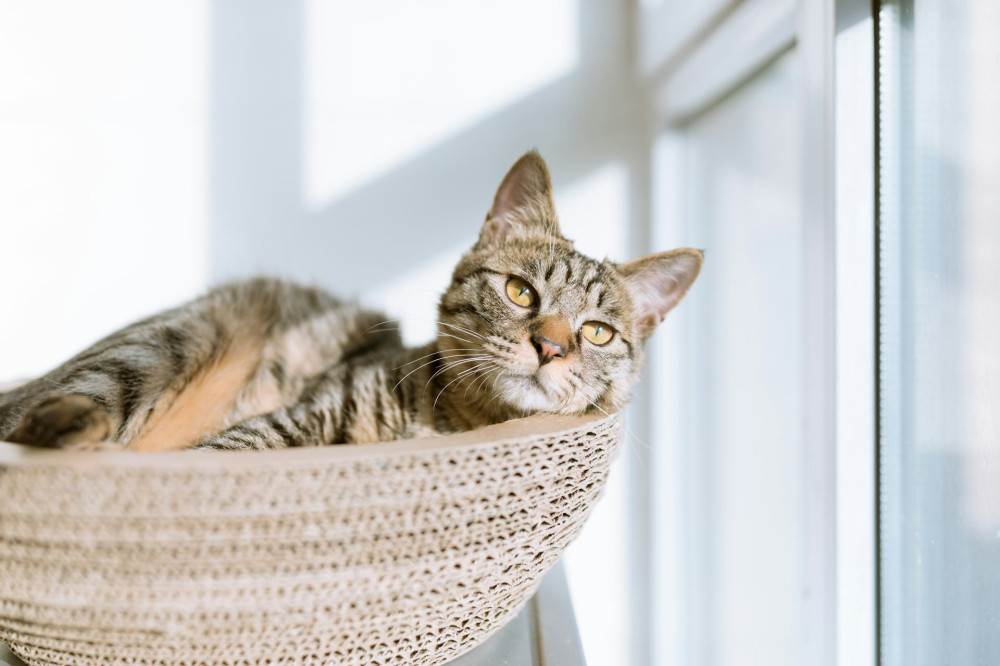
- Create a warm resting area – Use blankets, raised beds, or soft mats to keep your pet off cold surfaces.
- Avoid overheating – Keep beds away from heaters or fireplaces, and make sure your pet can move if they get too warm.
- Provide mental stimulation – Shorter days often mean less outdoor time. Use puzzle toys, training games, or indoor play to keep your pet engaged.
- Protect paws – Salt and ice can irritate or injure paw pads. Rinse and dry your dog’s feet after walks.
For outdoor pets, ensure their shelter is insulated, dry, and windproof. Check water bowls frequently to prevent freezing, and provide extra calories to help them stay warm.
Flexible Comfort All Year Long
The key to a happy pet is a space that can easily adapt to seasonal changes. Use movable items like blankets, cooling pads, or shade cloths so you can adjust quickly as the weather shifts.
Adapting your pet’s environment isn’t just about comfort—it’s about health and well-being. With a few thoughtful adjustments each season, you’ll help your pet stay safe, comfortable, and content all year round.
Læs også: