Teach Kids to Care for Small Pets Safely and Responsibly

Teach Kids to Care for Small Pets Safely and Responsibly
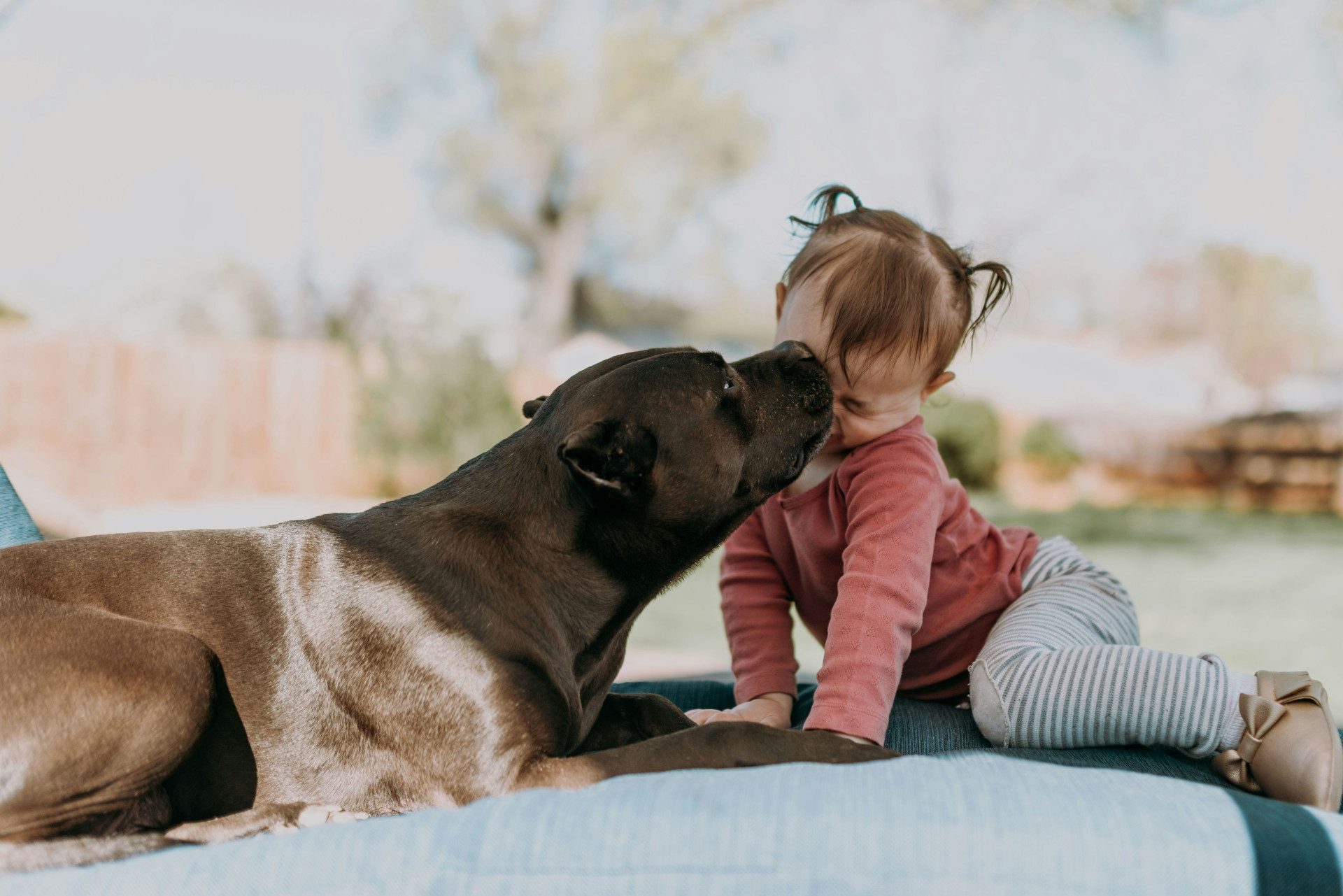
Having a small pet can be a wonderful experience for children. It teaches them responsibility, empathy, and respect for living creatures. But it also requires knowledge and care to make sure both the child and the animal thrive. Whether it’s a hamster, guinea pig, rabbit, or a tank of fish, it’s important to create the right environment and build healthy habits from the start. Here’s a guide to help you teach kids to care for small pets safely and responsibly.
Start by Choosing the Right Pet
The first step is choosing a pet that fits your child’s age, personality, and your family’s lifestyle. Small pets vary in how much care and attention they need.
- Hamsters are curious but mostly active at night, so they’re best for older kids who understand that the pet needs to rest during the day.
- Guinea pigs are social animals that do best in pairs. They need daily interaction and regular cage cleaning.
- Rabbits are popular but require space, exercise, and companionship. They’re not toys—they’re sensitive animals that need gentle handling and a safe environment.
- Fish can be a good choice for younger children since they’re calming to watch, but they still require knowledge about water quality and feeding routines.
Let your child be part of the decision, but as a parent, be realistic about how much responsibility your child can handle. Adults always hold the ultimate responsibility for the pet’s well-being.
Help Kids Understand Their Pet’s Needs
A key part of learning responsibility is understanding that animals have feelings and needs that must be respected. Talk with your child about what the pet requires: food, water, cleanliness, rest, and a sense of safety. Explain that pets can’t tell us when something is wrong, so it’s important to watch for signs of illness or stress.
You can make a care schedule together, assigning simple daily tasks like feeding, changing water, or helping clean the cage. This gives structure and helps your child remember the routines that keep the pet healthy.
Safety First – for Both Child and Pet
Small pets are delicate, and children need to learn how to handle them gently. Show your child how to lift and hold the animal properly, and explain why they should never squeeze, pull tails, or chase the pet.
Always supervise interactions, especially in the beginning. This protects both the child from bites or scratches and the pet from stress or injury. A good tip is to have your child sit on the floor when playing with the pet to reduce the risk of falls.
Hygiene is also an important part of safety. Teach your child to wash their hands before and after touching the pet, and make sure cages or tanks are placed in well-ventilated areas away from drafts.
Make Pet Care a Family Activity
Caring for a pet can become a meaningful family experience. Spend time together feeding, cleaning, and observing the animal’s behavior. This strengthens your child’s understanding and reinforces shared responsibility.
You can also involve your child in small projects—building a new hideout for the rabbit, making homemade toys from cardboard tubes for guinea pigs, or keeping a “pet journal” where your child records what the animal eats and does each day. These activities make learning fun and hands-on.
Læs også:


Talk About the Circle of Life
Having a pet can also open the door to important conversations about life and loss. Small pets often have shorter lifespans than larger animals, and this may be a child’s first experience with death. Be open and honest when that time comes—it helps your child understand that grief is a natural part of loving and caring for another living being.
A Responsibility That Grows with the Child
Owning a pet isn’t just playtime—it’s a learning journey where children gradually become more independent. With guidance, patience, and clear routines, kids can develop a deep respect for animals and nature.
When a child learns to care for a small life, they also learn about compassion, consistency, and the joy of making a difference. Those are lessons that last far beyond the cage in the corner.
Læs også: