Artificial Intelligence in Home Appliances – Optimized and Smarter Energy Use

Artificial Intelligence in Home Appliances – Optimized and Smarter Energy Use
Refrigerators, washing machines, and dishwashers have long been staples of American households. But as technology evolves, these appliances are no longer just efficient—they’re becoming intelligent. Artificial intelligence (AI) is making its way into home appliances, transforming how we use and understand energy. The result is a new generation of smart devices that save time, money, and resources while making everyday life more convenient.
What Does Artificial Intelligence Mean for Home Appliances?
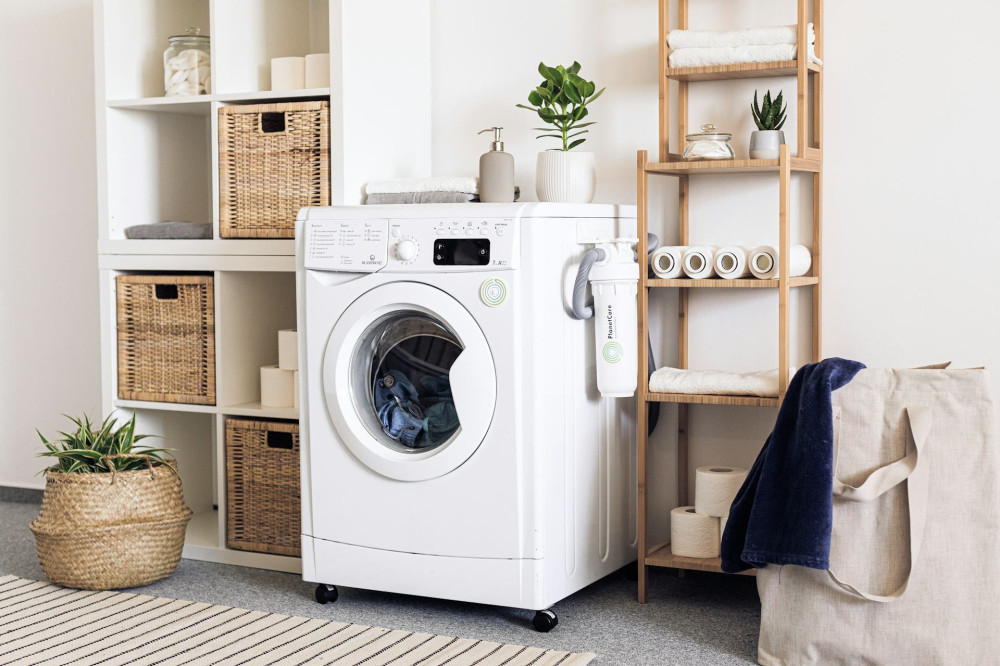
When we talk about AI in home appliances, we’re not referring to talking robots, but to systems that can learn from our habits and optimize their performance. A washing machine, for example, can detect how dirty the laundry is and automatically adjust the water level and cycle time. A refrigerator can monitor temperature changes and adapt when the door is opened frequently or when it senses fewer items inside.
These intelligent features rely on sensors, data analysis, and algorithms that continuously learn and improve. Over time, the appliances become better at predicting needs and minimizing waste—both in terms of energy and resources.
Smarter Energy Use in Everyday Life
One of the biggest advantages of AI in home appliances is its ability to optimize energy consumption. Many modern devices can communicate with the power grid and adjust their operation based on when electricity is cheapest or most sustainable. This is often referred to as “smart grid” integration.
For instance, a dryer can automatically start when electricity rates are low or when there’s an abundance of renewable energy available. This not only reduces costs for the homeowner but also supports a more sustainable energy system overall. In states where time-of-use pricing is common, such as California or Texas, this kind of automation can make a noticeable difference on monthly utility bills.
Comfort and Control – Without Losing Oversight
AI also makes it easier to manage and monitor appliances. Through smartphone apps, users can track energy consumption, receive notifications when a cycle is complete, or even get personalized suggestions for saving power. Some systems can predict when maintenance is needed before a breakdown occurs, helping to avoid costly repairs.
This level of control brings peace of mind. Instead of reacting when something goes wrong, homeowners can take proactive steps to keep their appliances running efficiently—and their homes operating smoothly.
Sustainability and Environmental Responsibility
AI in home appliances isn’t just about convenience; it’s also about responsibility. By optimizing energy use and extending the lifespan of devices, the technology contributes to a more sustainable lifestyle. Less waste, lower carbon emissions, and fewer replacements mean benefits for both the environment and the household budget.
Manufacturers are increasingly combining AI with recyclable materials and modular designs, allowing appliances to be upgraded rather than replaced. This approach supports a more circular economy—one that values longevity and resource efficiency over constant consumption.
Læs også:


The Future of the Intelligent Home
We’re only at the beginning of this transformation. In the near future, home appliances will communicate more seamlessly—not just with each other, but with the entire home ecosystem. A refrigerator might suggest dinner ideas based on what’s inside, while the oven preheats automatically. A dishwasher could schedule its cycle for when rooftop solar panels are generating the most power.
Artificial intelligence is becoming a cornerstone of the smart home, where comfort, efficiency, and sustainability go hand in hand. For American consumers, that means a home that doesn’t just respond—but one that truly thinks ahead.
Læs også: