Design Development and Energy Focus in Modern Home Appliances

Design Development and Energy Focus in Modern Home Appliances
Over the past few decades, home appliances have undergone a remarkable transformation—not only in terms of technology but also in design and environmental responsibility. Once seen as purely functional tools, refrigerators, dishwashers, and washing machines are now integral elements of home aesthetics and sustainability. The combination of energy efficiency, user experience, and visual appeal has become a key focus for both manufacturers and consumers in the United States.
From Utility to Design Statement
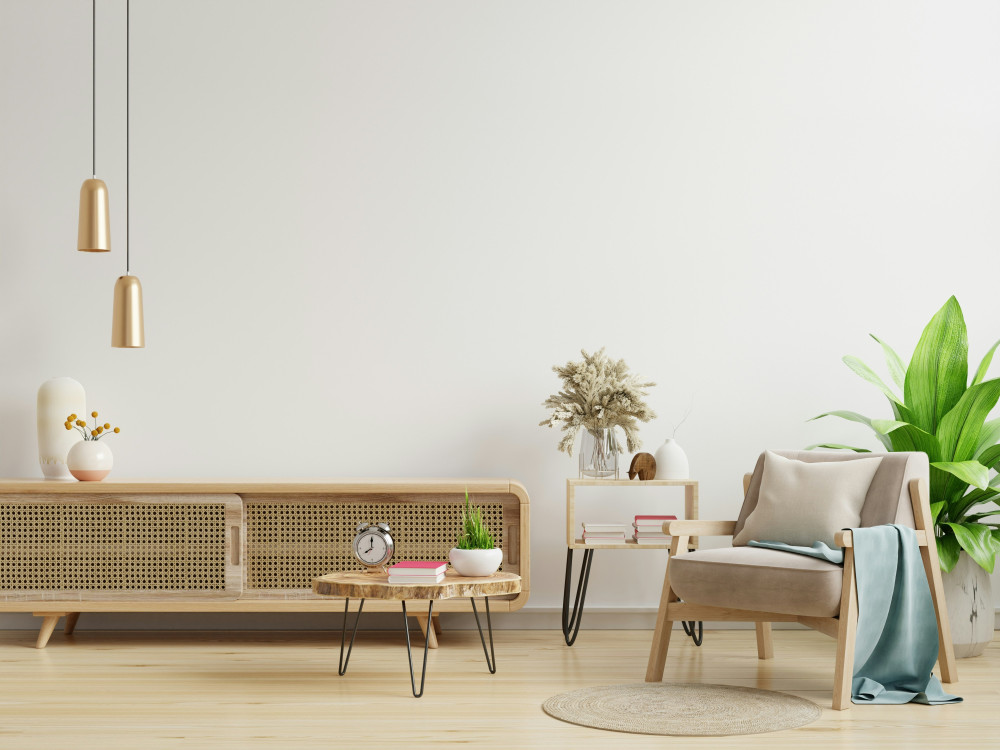
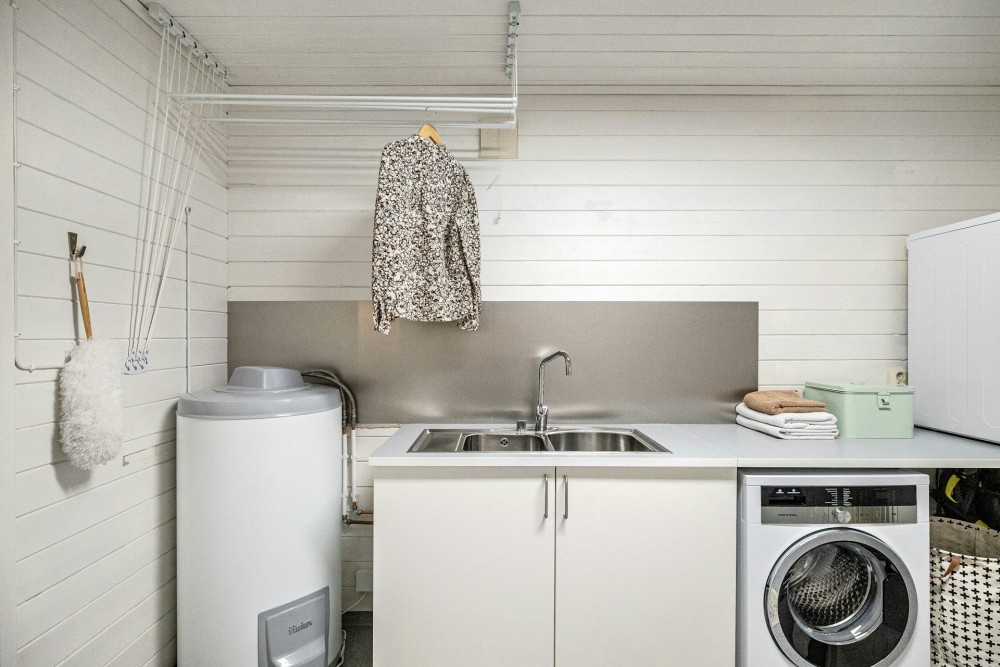
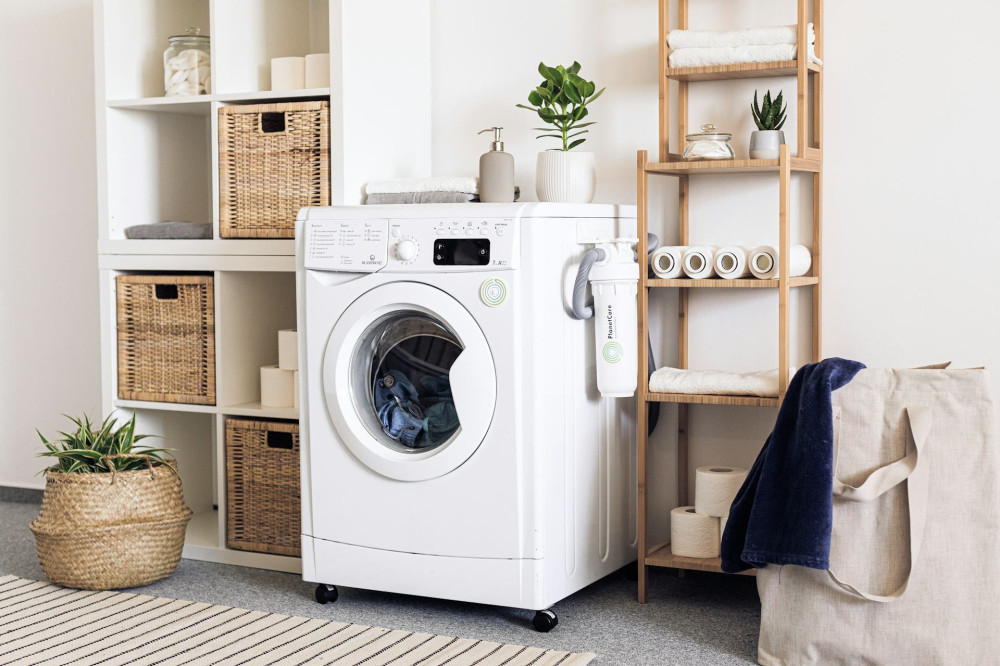
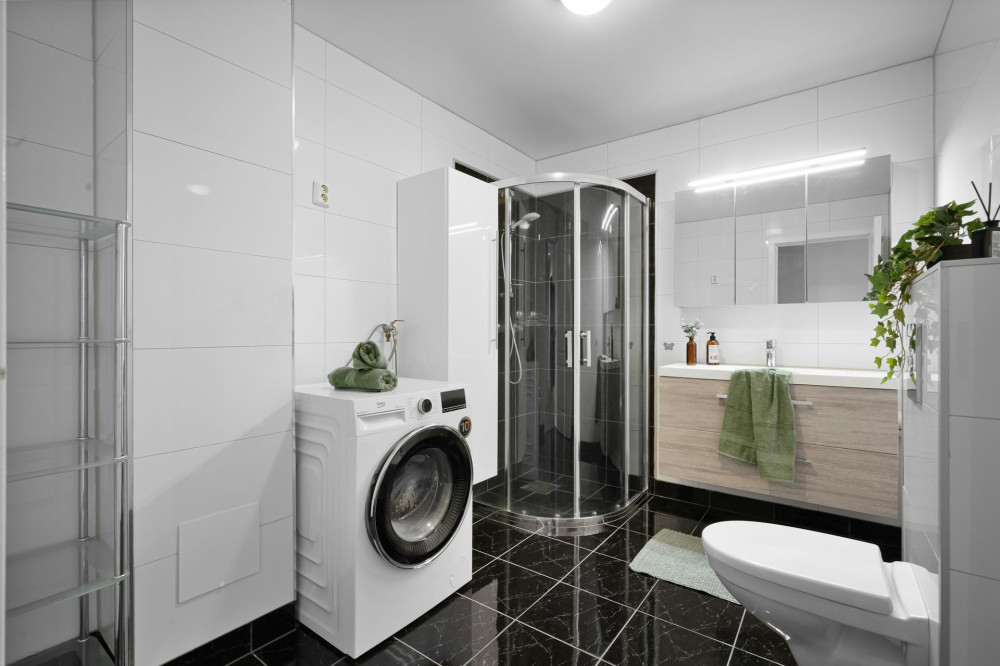
For many years, appliances were tucked away in laundry rooms or hidden behind cabinetry. Today, they often take center stage in open-concept kitchens and modern interiors. Manufacturers have responded by emphasizing form, materials, and color. Stainless steel remains a classic choice, but matte finishes, black stainless, and customizable panels are gaining popularity. Some brands even offer retro-inspired or brightly colored models that add personality to the space.
At the same time, control interfaces have become more intuitive. Touchscreens, subtle LED displays, and app-based controls allow users to customize settings and monitor energy use directly from their smartphones. Design is no longer just about appearance—it’s about the overall experience of interacting with the product.
Energy Efficiency as a Competitive Edge
Energy consumption has become a defining factor in appliance development. In the U.S., the ENERGY STAR® program sets the standard for efficiency, and manufacturers compete to meet or exceed its benchmarks. Advances such as variable-speed compressors, improved insulation, and smart sensors have significantly reduced electricity use compared to older models.
Consumers are increasingly aware of both environmental and financial benefits. An energy-efficient washer or refrigerator can save hundreds of kilowatt-hours per year, translating into noticeable savings on utility bills. As a result, energy performance has become as strong a selling point as design and functionality.
Smart Features and Digital Integration
The digital revolution has fully entered the appliance industry. Many modern devices connect to home Wi-Fi networks and can be controlled through mobile apps or voice assistants like Alexa and Google Assistant. This connectivity allows users to start a wash cycle from work, receive alerts when the oven is preheated, or check if the refrigerator door was left open.
These intelligent systems are also learning from user behavior. A smart oven can suggest cooking times based on previous recipes, while a dryer can adjust its cycle according to the moisture level in the clothes. Such automation not only simplifies daily routines but also helps minimize energy waste.
Læs også:
Materials, Durability, and Sustainability
Sustainability extends beyond energy use—it also involves product lifespan and recyclability. More manufacturers are exploring recycled materials, modular components, and designs that make repair easier than replacement. This approach supports a circular economy, where resources are used efficiently and waste is minimized.
Production practices are also evolving. Factories are being optimized to reduce carbon emissions, and supply chains are becoming more transparent and efficient. American consumers increasingly expect proof that their appliances are produced responsibly, from raw materials to final assembly.
The Future of Home Appliances: Technology Meets Conscious Living
The next generation of appliances will likely be even smarter and more sustainable. We can expect machines that diagnose their own issues, order replacement parts automatically, and adjust operation based on real-time energy prices. At the same time, design will continue to play a central role—not as decoration, but as part of a holistic experience where function, aesthetics, and responsibility coexist.
Today’s consumers want appliances that look great, perform flawlessly, and respect the planet. This expectation challenges manufacturers to innovate continuously—but it also opens the door to a new era where technology and sustainability merge seamlessly in the heart of the American home.
Læs også: