Consider This Before Choosing a Solar Roof

Consider This Before Choosing a Solar Roof
Solar roofs have become an increasingly popular option for homeowners who want to combine sustainability with modern design. Instead of mounting traditional solar panels on top of an existing roof, solar roofs integrate photovoltaic cells directly into the roofing material. The result is a sleek, uniform appearance that can also boost your home’s value. But before you decide to invest in a solar roof, there are several technical, financial, and practical factors to consider.
What Is a Solar Roof?
A solar roof is made up of shingles or tiles that contain built-in solar cells. This means the roof itself generates electricity while protecting your home from the elements. The technology comes in different forms—from glass tiles with embedded solar cells to metal or composite shingles designed to mimic traditional roofing materials.
The main advantage is aesthetics: you get a roof that looks like any other, but it produces clean energy. The downside is cost—solar roofs are typically more expensive to install than conventional roofs with separate solar panels.
Consider the Age and Condition of Your Roof
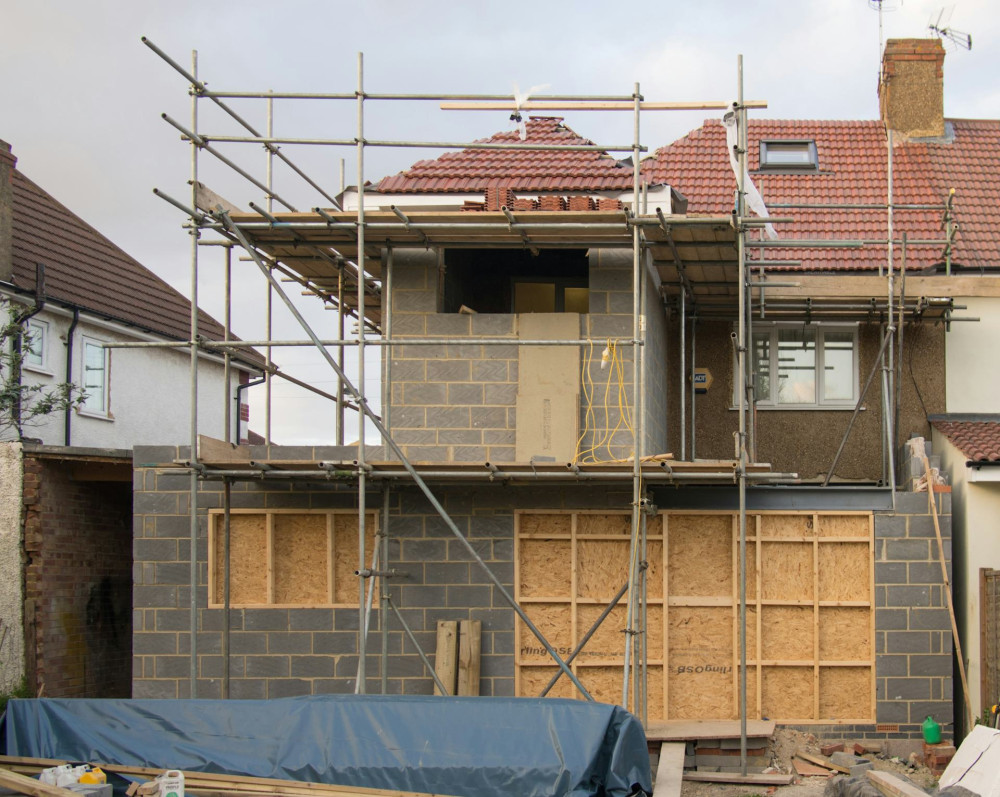
A solar roof makes the most sense if you’re already planning to replace your existing roof. Because the entire roof surface becomes part of the solar system, it’s a major investment to install one on a roof that’s still in good shape. If your current roof has many years of life left, adding standard solar panels might be a more cost-effective choice.
However, if your roof is aging or showing signs of wear, a solar roof can be a smart way to combine a necessary replacement with an energy upgrade. You’ll get a new roof and a renewable power source that can lower your electricity bills.
Cost and Payback Time
The price of a solar roof depends on the size of your home, the materials used, and the manufacturer. In general, it costs more than a traditional roof plus a separate solar panel system. On the other hand, you get a fully integrated solution that can last decades.
Payback periods typically range from 10 to 20 years, depending on local electricity rates, sunlight exposure, and your household’s energy use. It’s worth getting a professional estimate of how much power your roof could realistically generate—and how much of that energy you’ll use directly. The more solar power you consume on-site, the faster your investment pays off.
Design and Aesthetics
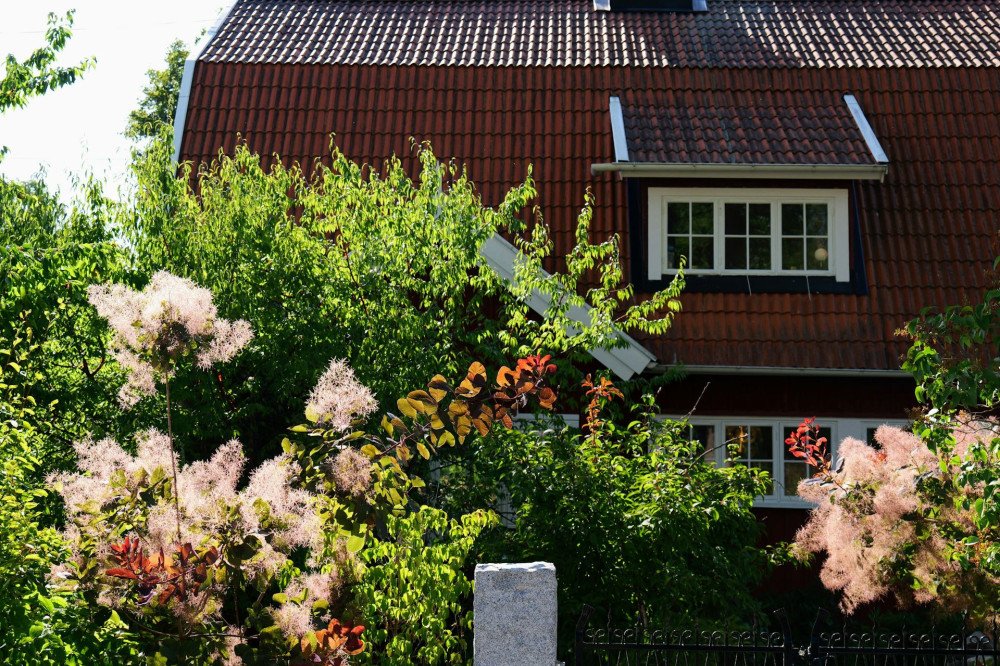
One of the biggest selling points of a solar roof is its appearance. Many homeowners dislike the look of bulky solar panels, especially on older or architecturally distinctive homes. A solar roof offers a seamless design that blends with the building’s style.
There are several design options available, from sleek black glass tiles to shingles that resemble asphalt or slate. It’s important to choose a look that complements your home and neighborhood. In some communities, homeowners’ associations or local building codes may have restrictions on roofing materials or colors, so check the rules before you begin.
Læs også:

Installation and Maintenance
Installing a solar roof requires specialized expertise, so it’s essential to hire a contractor experienced with this type of system. Because the solar cells are integrated into the roof, replacing individual components later can be more complex than with standard panels. Make sure both the roofing materials and the solar components come with solid warranties—ideally 20–25 years for the solar cells and at least 10 years for the roof structure.
Maintenance is usually minimal. Rain and wind keep most roofs clean, but periodic inspections are recommended to ensure everything is functioning properly and to catch any potential issues early.
Environmental Impact and Energy Use
A solar roof can cover a significant portion of your household’s electricity needs, reducing your reliance on the grid and lowering your carbon footprint. Pairing the system with a home battery allows you to store excess energy for use at night or during cloudy days.
If you plan to install an electric vehicle charger or a heat pump, a solar roof can be even more beneficial, as it helps offset the additional electricity demand with renewable energy.
When Does a Solar Roof Make Sense?
A solar roof is especially worth considering if:
- You’re already planning to replace your roof.
- You want a clean, integrated design without visible panels.
- You expect to stay in your home for many years.
- You have a high electricity usage and want greater energy independence.
If your roof is relatively new and your energy consumption is low, a traditional solar panel system may be a more economical option.
An Investment in Your Home and the Future
A solar roof is more than just an energy solution—it’s an investment in your home’s value, comfort, and sustainability. It requires careful planning and realistic expectations about costs and performance. With the right design and professional installation, you can enjoy a roof that not only looks great but also produces clean energy for decades to come.
Læs også: