Cool House in the Heat – How Your Roof Affects Your Indoor Climate

Cool House in the Heat – How Your Roof Affects Your Indoor Climate
When summer temperatures soar, your roof becomes one of the most important factors in how your home feels inside. It’s your home’s top layer of protection against the elements, but it also plays a major role in how much heat enters your living space. The material, color, and insulation of your roof can all influence indoor comfort and energy use. Here’s how your roof affects your indoor climate—and what you can do to keep your home cool when the heat is on.
Roof Color and Surface – The Sun’s First Stop
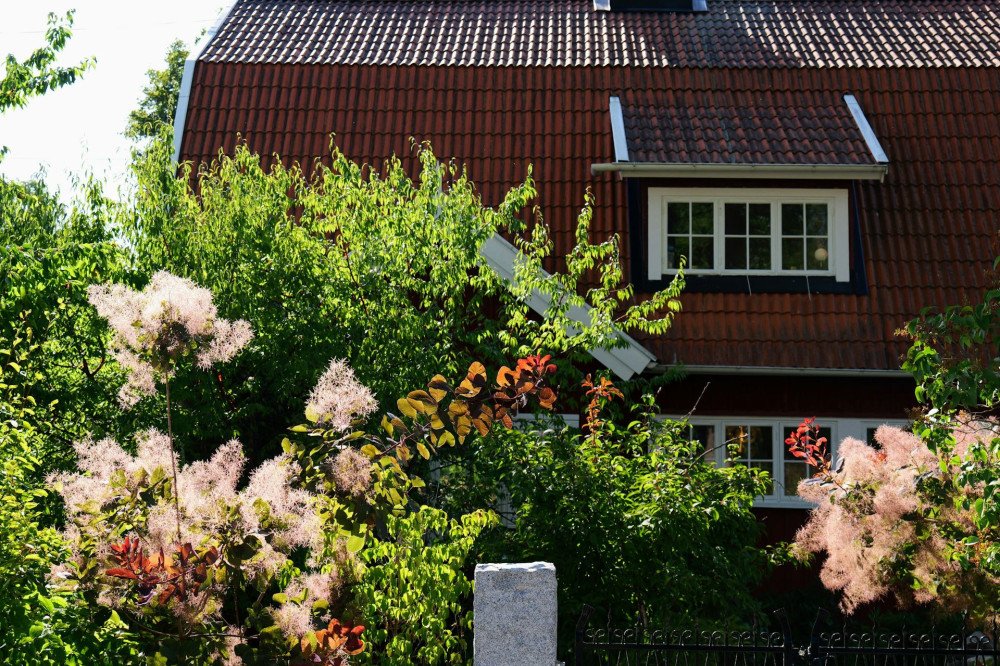
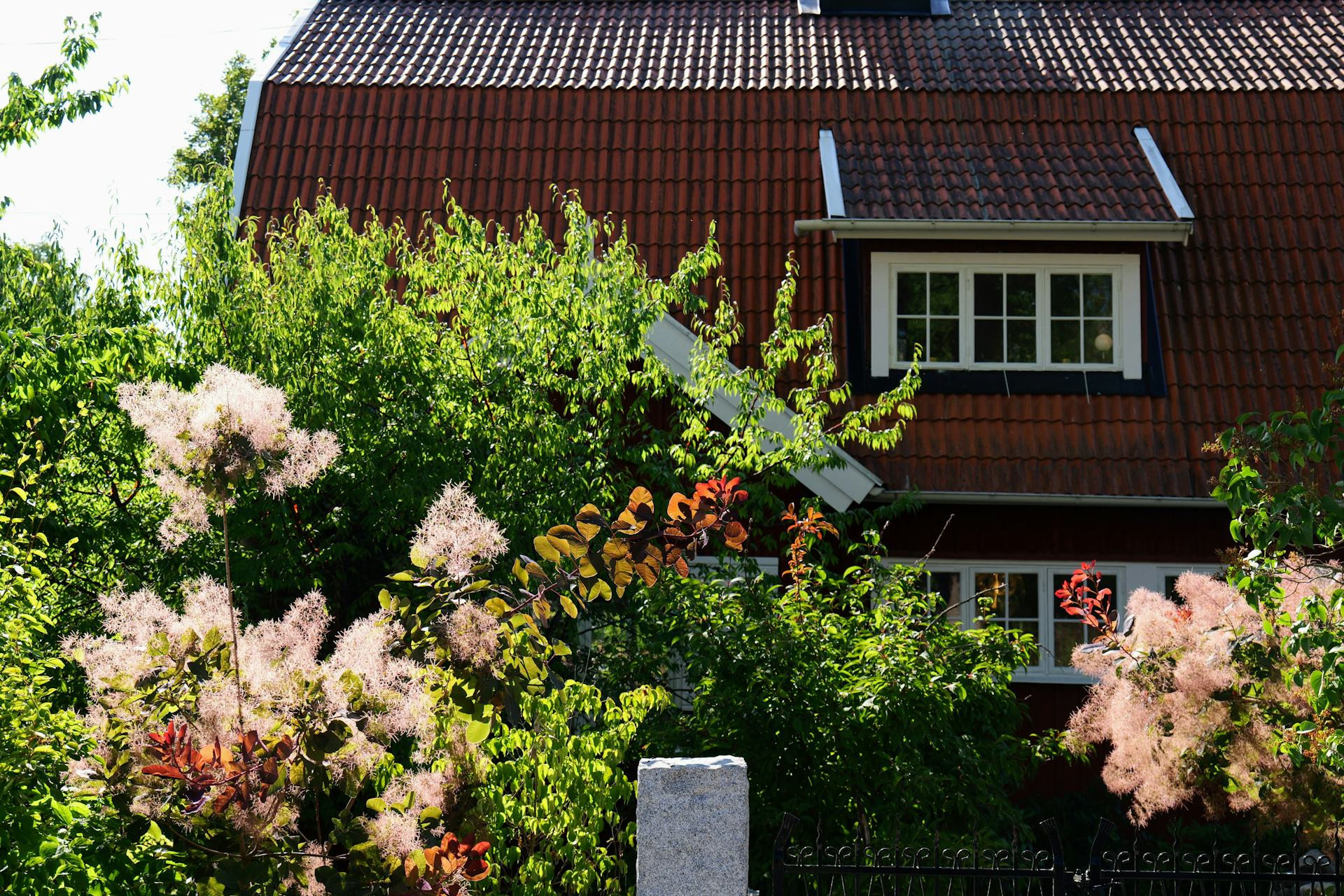
Your roof takes the full force of the sun’s rays, and how much heat it absorbs depends largely on its color and surface. Dark roofs—like black asphalt shingles or dark tiles—absorb much more heat than light-colored ones. On a hot summer day, a dark roof can reach temperatures of 150°F or more, and that heat radiates down into your attic and living areas.
Light-colored or reflective roofs, often called “cool roofs,” reflect more sunlight and absorb less heat. A white or light gray roof can stay significantly cooler, reducing the need for air conditioning. In many southern states, cool roofing materials are becoming increasingly popular, and some cities even offer incentives for installing them because they help reduce the urban heat island effect.
Læs også:

Insulation – The Hidden Climate Shield
Even the most reflective roof won’t help much if the insulation beneath it is inadequate. Insulation acts as a barrier that slows the transfer of heat into your home. In older houses, attic insulation is often too thin or unevenly distributed, making it difficult to keep the temperature stable—hot in summer, cold in winter.
Adding or upgrading attic insulation is one of the most effective ways to improve indoor comfort. It can reduce heat gain during the summer and lower heating costs in the winter. Proper air sealing and vapor barriers are also important to prevent moisture buildup, which can lead to mold or structural damage.
Ventilation – Letting Hot Air Escape
A well-ventilated attic is key to maintaining a comfortable indoor climate. When air can circulate freely under the roof, it helps carry away heat that would otherwise build up. Modern roofing systems often include ridge vents and soffit vents that allow for natural airflow.
If your home is older, it’s worth checking whether your attic ventilation is working properly. Sometimes, simply adding or unblocking vents can make a noticeable difference in attic and upper-floor temperatures. In very hot regions, powered attic fans can also help exhaust hot air more efficiently.
Green Roofs – Nature’s Cooling Layer
A green roof—one covered with vegetation—does more than look beautiful. It provides a natural cooling effect through the process of evapotranspiration, where plants release moisture into the air. The soil and plants also act as extra insulation, reducing both heat gain and heat loss.
Green roofs are best suited for flat or gently sloped roofs and can help improve local air quality and reduce stormwater runoff. They’re becoming more common in urban areas across the U.S., especially on commercial buildings, but homeowners are starting to adopt them too. Just make sure your roof structure can handle the added weight and that it’s properly waterproofed.
Solar Panels – Energy and Shade in One
Solar panels don’t just generate electricity—they also shade your roof. By absorbing sunlight that would otherwise heat your roof surface, they can help keep your attic cooler. This dual benefit means you can lower your energy bills while producing clean power.
If you have a solar roof or are considering one, make sure there’s adequate ventilation beneath the panels. Solar panels operate more efficiently at lower temperatures, and good airflow helps extend their lifespan.
Small Changes, Big Impact
You don’t necessarily need a brand-new roof to make your home more comfortable. A few smaller upgrades can go a long way:
- Add reflective roof coatings to reduce heat absorption on dark roofs.
- Check your attic insulation—even a few extra inches can make a difference.
- Improve ventilation in your attic and living spaces.
- Install window shades or reflective films to block direct sunlight.
These simple steps can help create a noticeably cooler and more pleasant indoor environment during the hottest months.
A Roof That Works With Your Home
Your roof is more than just a protective cover—it’s an active part of your home’s energy system. A well-insulated, ventilated, and reflective roof can mean the difference between a stifling house and a comfortable retreat. By thinking holistically—from materials to airflow—you can create a roof that not only shields your home but also helps it stay cool, efficient, and comfortable all year long.
Læs også: