Ergonomic Meeting Rooms Promote Collaboration


Ergonomic Meeting Rooms Promote Collaboration
A meeting room is more than just a table and a few chairs. It’s a space where ideas take shape, decisions are made, and teamwork grows. As more U.S. companies focus on employee well-being and productivity, ergonomics has become a key factor in modern office design. An ergonomic meeting room isn’t only about comfort—it’s about creating an environment that supports communication, creativity, and shared engagement.
Why Ergonomics Matter in the Meeting Room
Long meetings can take a toll on both body and mind. Poorly designed chairs, incorrect table height, or harsh lighting can lead to fatigue, tension, and reduced focus. Ergonomic design takes the body’s natural needs into account, ensuring that participants can sit comfortably and move freely.
A well-designed ergonomic environment contributes to:
- Better focus – when the body feels good, the mind performs better.
- Less fatigue – adjustable chairs and tables reduce physical strain.
- More engagement – a comfortable space encourages active participation and collaboration.
In short, ergonomics create the physical foundation for effective teamwork.
Design That Encourages Dialogue
A meeting room should invite conversation. That means the layout should support eye contact, movement, and flexibility. Round or oval tables promote dialogue because everyone can see each other, while modular furniture allows the room to adapt to different meeting types—from brainstorming sessions to formal presentations.
The placement of chairs, screens, and technology also matters. If participants have to twist or strain to see a presentation, it disrupts both comfort and concentration. An ergonomic setup ensures that everyone can follow along effortlessly.
Light, Sound, and Air—The Overlooked Elements
Ergonomics go beyond furniture. Lighting, acoustics, and air quality all influence how a meeting room feels and functions.
- Lighting: Natural daylight is ideal, but adjustable LED lighting can help set the right tone for any time of day.
- Sound: Acoustic panels, rugs, and curtains reduce echo and make it easier to hear and be heard.
- Air: Good ventilation and access to fresh air help maintain energy levels, especially during long meetings.
These elements create a space where participants stay alert, comfortable, and ready to collaborate.
Flexibility and Movement at the Center
Modern meeting rooms should encourage movement and variety. Sit-stand tables allow participants to switch between sitting and standing, improving circulation and energy. Some offices even include “walk and talk” areas for short, informal meetings on the move.
Small design changes can make a big difference. A few standing tables, lightweight chairs, and open space for movement can make meetings more dynamic and reduce the fatigue that often comes from sitting still for too long.
The Social Side of Ergonomics
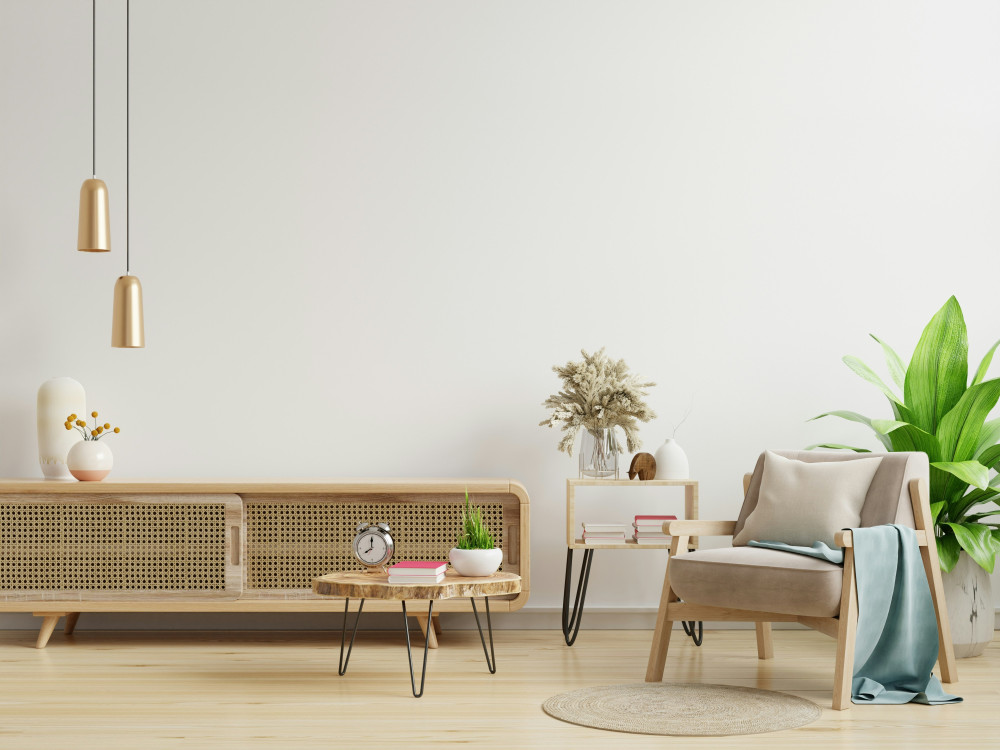
Ergonomics also affect emotional well-being. A room that feels open, balanced, and welcoming sets a positive tone. Colors, plants, and natural materials can create calm and inspire creativity. When employees feel comfortable, they’re more likely to share ideas and listen to one another—strengthening collaboration.
An ergonomic meeting room also sends a message: the company values its people. That sense of care can boost motivation and foster a culture where everyone feels included and respected.
Læs også:


Investing in Well-Being and Productivity
Designing ergonomic meeting rooms requires an investment, but it’s one that pays off. Fewer physical complaints, higher productivity, and stronger teamwork are benefits that quickly become visible in daily operations.
When a meeting space supports both body and mind, meetings become not only more comfortable but also more effective and inspiring. In today’s workplace, ergonomics isn’t a luxury—it’s a foundation for a healthy, collaborative, and forward-thinking work environment.
Læs også: