Furniture That Lasts – Choose Quality for Your Home Office

Furniture That Lasts – Choose Quality for Your Home Office
For many Americans, the home office has become a permanent part of daily life. It’s where we work, plan, and create – so the space should be both functional and comfortable. While technology and décor often get the most attention, the quality of your furniture plays an equally important role. A sturdy desk and an ergonomic chair aren’t just about style; they’re investments in your health, productivity, and long-term comfort. Here’s how to choose furniture that truly lasts.
Quality Pays Off in the Long Run
It can be tempting to go for budget-friendly options when setting up a home office, but low-cost furniture often shows wear quickly, loses stability, and can even cause physical discomfort. A well-built desk and supportive chair, on the other hand, can last for years – saving you money and strain over time.
When evaluating quality, pay attention to:
- Materials – Solid wood, steel, and high-grade laminate are far more durable than particleboard or thin veneers.
- Craftsmanship – Check joints, screws, and fittings. A piece that feels stable and well-balanced reflects good workmanship.
- Warranty and brand reputation – Reputable manufacturers often offer extended warranties and replacement parts, a strong sign of confidence in their products.
Ergonomics – The Key to a Healthy Workday
A home office should not only look good but also support your body throughout the day. Hours spent at a desk require furniture that adapts to you – not the other way around.
- The desk should be at a height that allows your shoulders to relax and your wrists to rest naturally. A sit-stand desk lets you alternate positions and reduce fatigue.
- The chair should be adjustable in height, backrest, and armrests. A quality chair supports your lower back and encourages an upright, relaxed posture.
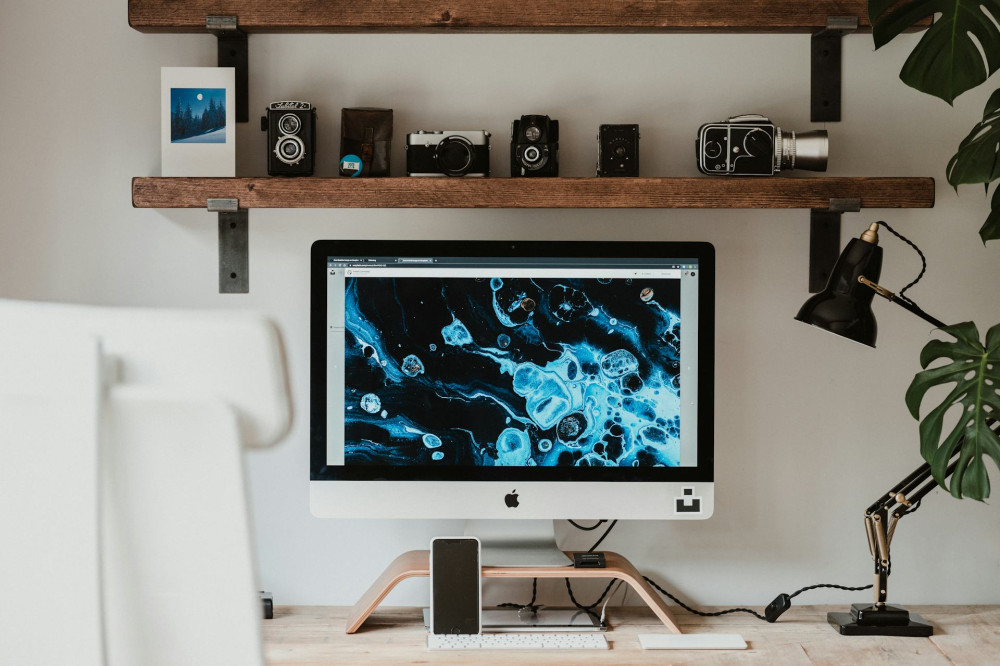
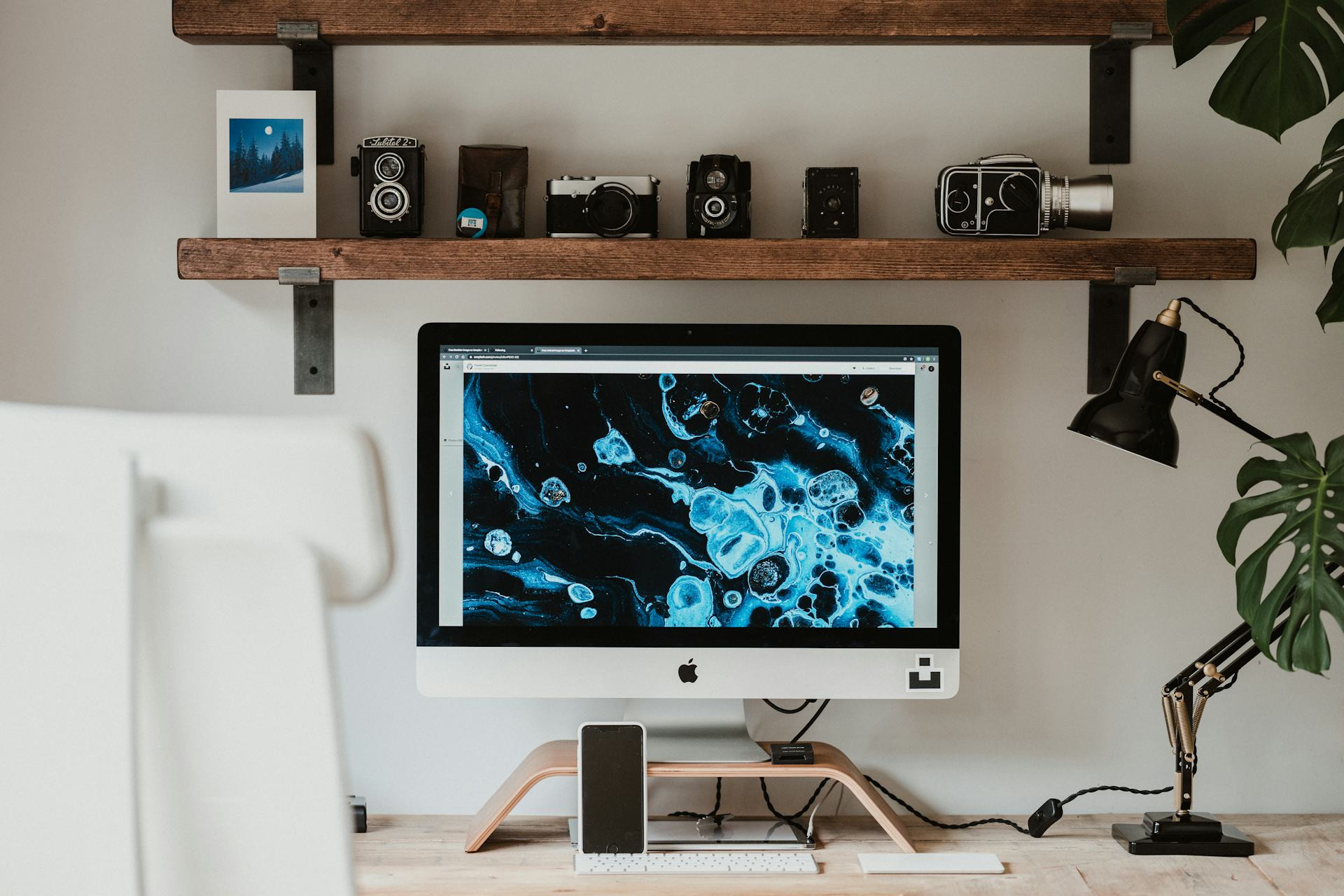
- Lighting is part of ergonomics too. A flexible desk lamp with soft but bright light helps prevent eye strain and keeps you focused.
Small ergonomic improvements can make a big difference in comfort and concentration.
Læs også:



Balancing Design and Function
Quality isn’t just about materials – it’s also about how furniture fits your daily routine. Good design combines aesthetics with practicality. Think about how you use your workspace: Do you need storage, flexibility, or a clean, minimalist look?
- Storage solutions like drawers, shelves, and cabinets help keep your workspace organized and calm.
- Cable management and built-in outlets can make your setup both neater and more efficient.
- Colors and finishes influence mood – lighter tones create a sense of openness, while darker shades can promote focus and calm.
A home office that reflects your personal style makes it easier to stay motivated and enjoy your workday.
Sustainability and Responsible Choices
More people are choosing furniture that’s not only durable but also environmentally responsible. Quality and sustainability often go hand in hand – furniture built to last reduces waste and environmental impact.
Look for certifications such as FSC (responsibly sourced wood) or GREENGUARD (low chemical emissions). Choose brands that use recycled or renewable materials and prioritize ethical production. It’s a choice that benefits both your home and the planet.
Creating a Home Office That Endures
A high-quality home office is about more than just furniture – it’s about creating a space where you can work efficiently and feel good every day. Start with the essentials: a supportive chair, a solid desk, and proper lighting. Then add details that make the space personal and practical.
When you choose quality, you’re not just buying furniture – you’re investing in comfort, focus, and well-being. It’s a decision that pays off, day after day.
Læs også: