Flexible Wardrobes for the Ever‑Changing Home

Flexible Wardrobes for the Ever‑Changing Home
A home is rarely static. Needs shift, families grow, and the way we use our spaces evolves over time. That’s why flexible wardrobes have become a popular choice for many Americans looking to create homes that adapt to life as it happens. A wardrobe is no longer just a place to store clothes—it’s part of the home’s design, an organizing tool, and a way to bring calm and order to everyday living.
Storage That Grows With You
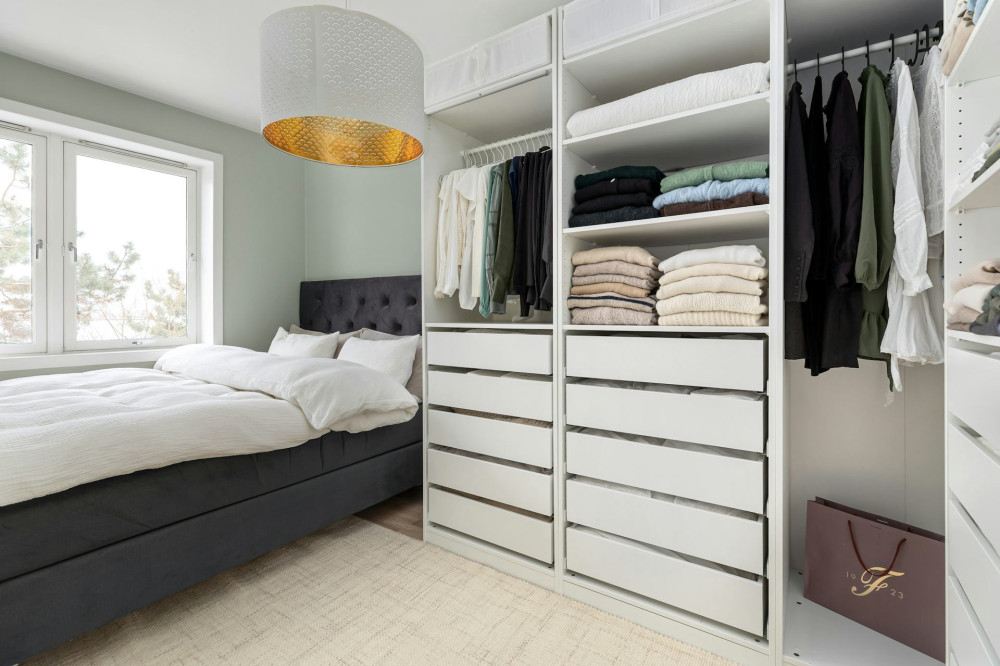
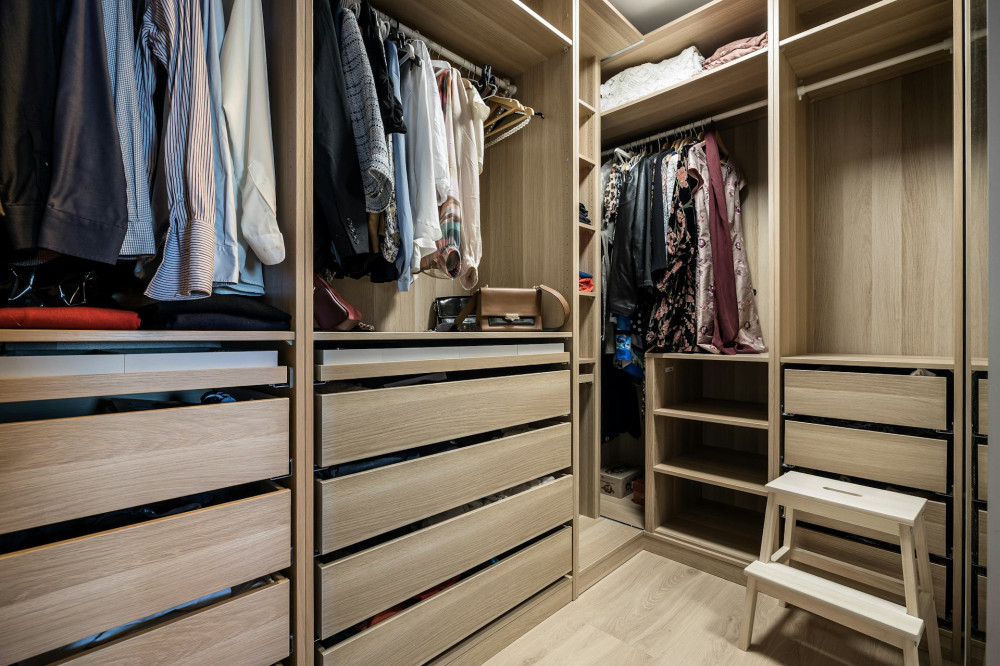
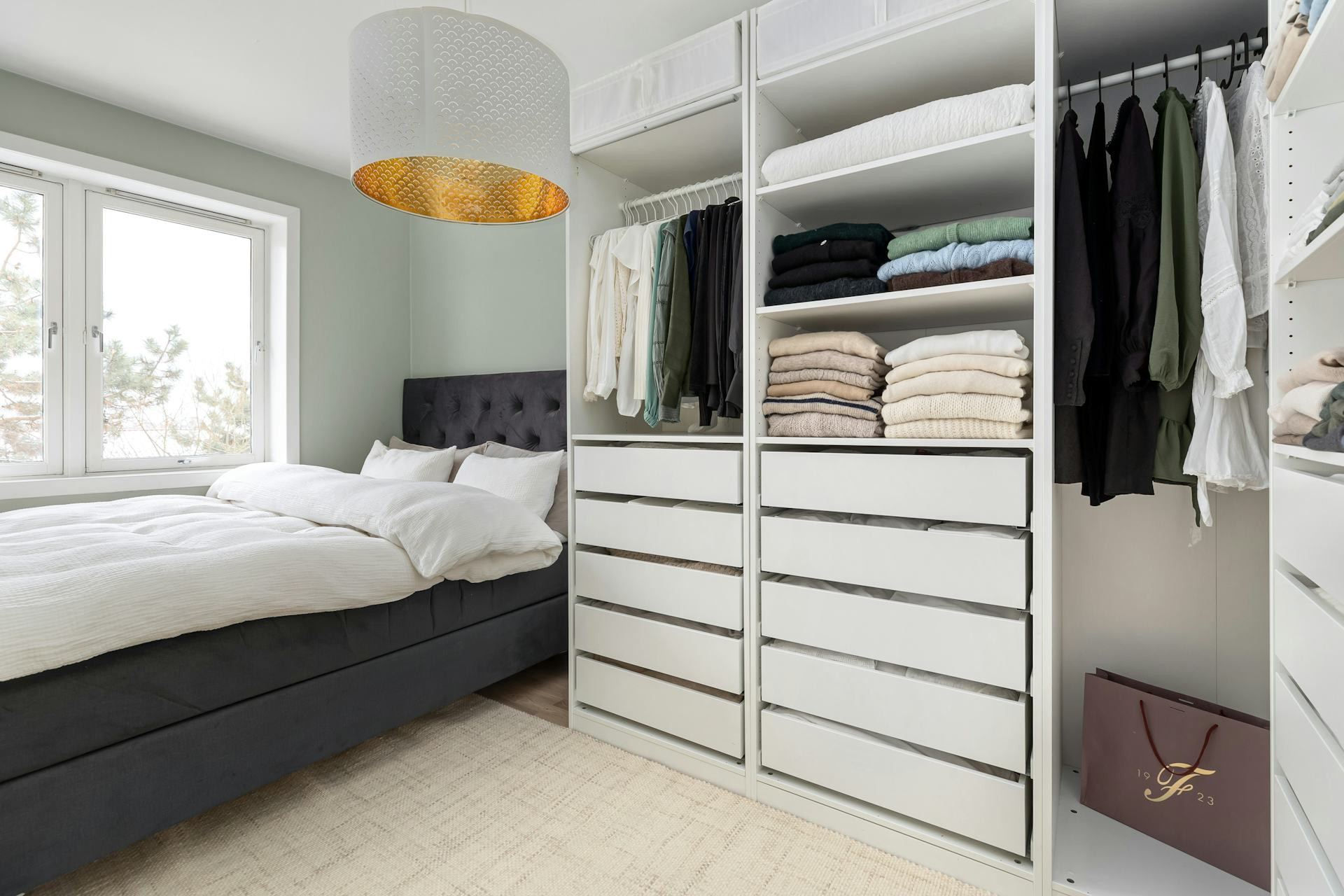
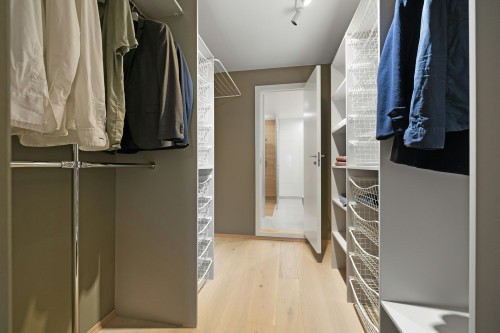
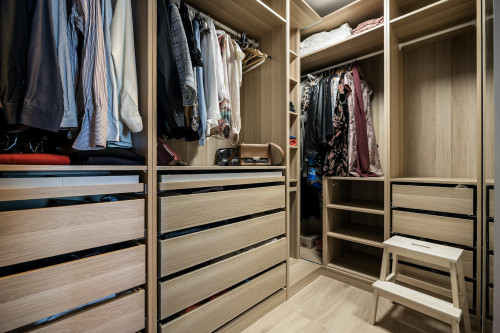
As life changes, so do storage needs. A couple’s shared closet might one day need to make room for children’s clothes, seasonal gear, or even hobby supplies. Flexible wardrobe systems make it easy to adjust as you go—with adjustable shelves, movable rods, and modular units that can expand or be reconfigured.
A modular system might start as a single wardrobe in the bedroom and later grow into a full storage solution in a hallway, guest room, or home office. This makes it a long‑term, sustainable investment—you don’t have to replace the entire system when your needs change.
Design That Fits Any Room
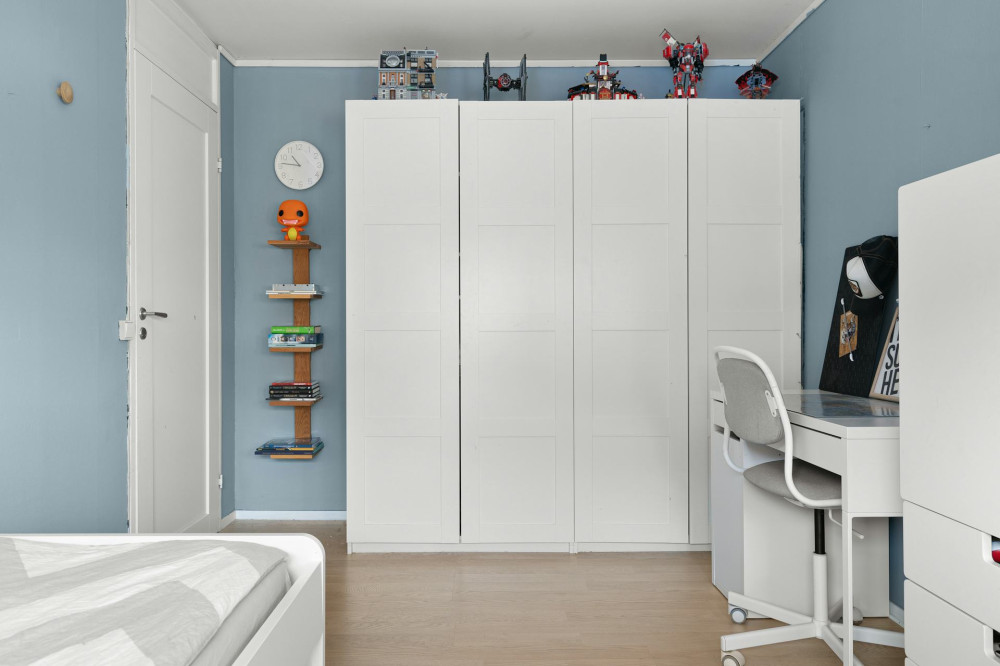
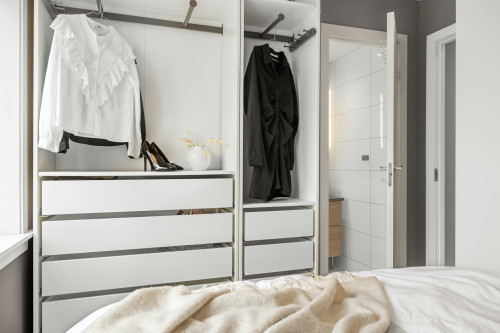
Flexibility isn’t just about function—it’s also about style. Many modern wardrobe systems are designed to blend seamlessly into different rooms and aesthetics. A wardrobe with clean lines and neutral finishes can move from the bedroom to the office or guest room without looking out of place.
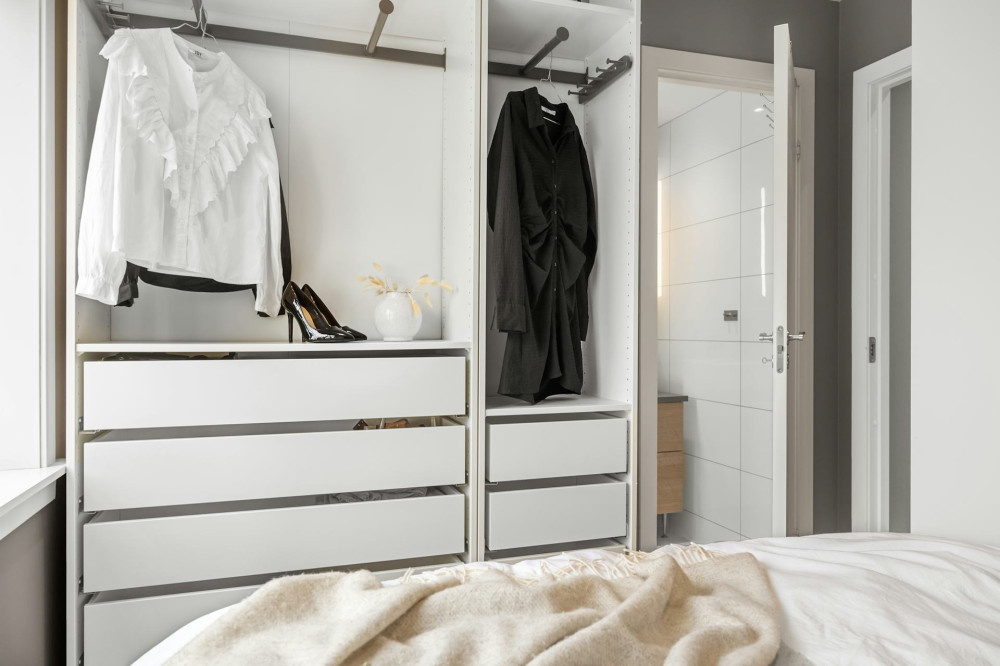
Some homeowners prefer open wardrobe systems, where clothing and accessories become part of the décor. Others opt for closed designs that create a calm, uncluttered look. Either way, flexible design makes it easier to maintain a cohesive style throughout the home, even as rooms take on new purposes.
Smart Solutions for Smaller Spaces
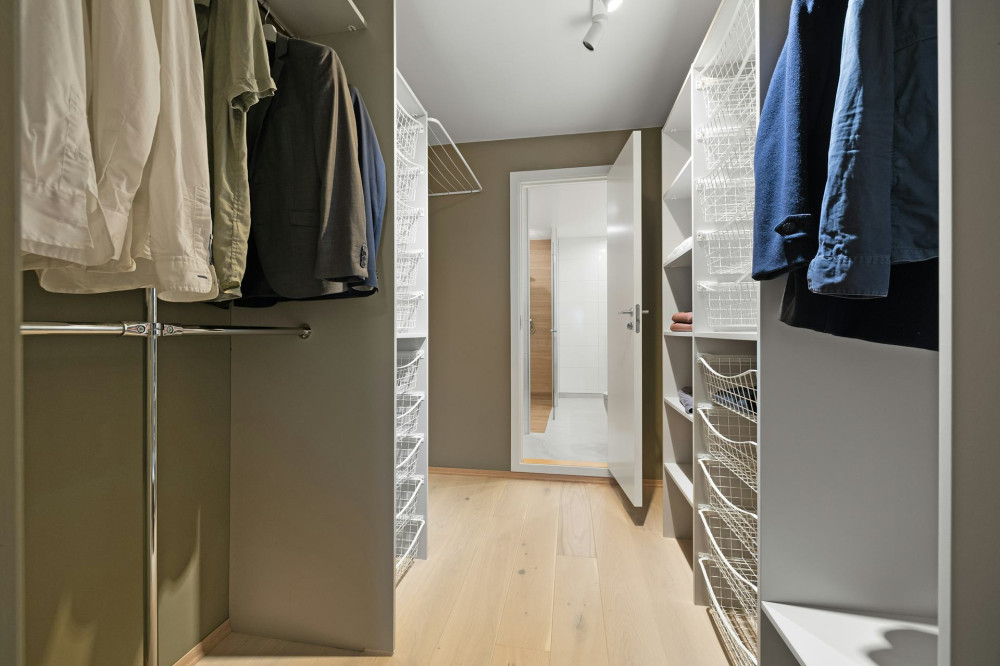
In apartments, condos, and smaller homes, flexibility is essential. A wardrobe with sliding doors, pull‑out baskets, and multifunctional components can make a big difference. Some designs combine clothing storage with space for shoes, bags, or even a compact work area—maximizing every square foot.
Wardrobes can also serve as room dividers, helping to define zones in open‑plan spaces without blocking light or airflow. In this way, a wardrobe becomes both a functional and architectural element.
Sustainability and Longevity
A flexible wardrobe isn’t just practical—it’s also a sustainable choice. When you can adapt and expand your system instead of replacing it, you reduce waste and resource use. Many manufacturers now offer modular components that can be mixed and matched, and updated with new doors or hardware as your style evolves.
Material quality also matters. A well‑built wardrobe made from solid wood or metal will last for years and can easily be refreshed with paint, new handles, or a redesigned interior layout.
Læs også:
How to Choose the Right System
When selecting a flexible wardrobe, start by considering your current and future needs. Ask yourself:
- How much storage do I need now—and how might that change in a few years?
- Should the wardrobe be easy to move or expand?
- What style best complements the rest of my home?
- Are there special features I want, such as sliding doors, mirrors, or built‑in lighting?
Thinking ahead helps you find a solution that fits your home today and can evolve with you over time.
A Wardrobe That Moves With Life
Ultimately, a flexible wardrobe is an investment in a home that can grow and change with you. It offers the freedom to adapt, reorganize, and refresh—without starting from scratch. Whether you live in a city apartment or a suburban house, the right wardrobe system can bring order, calm, and the possibility of change whenever life calls for it.
Læs også: