The Changing Closet: When the Family Grows and Needs Evolve

The Changing Closet: When the Family Grows and Needs Evolve
When a family grows, everyday life changes—and so does the closet. The space that once felt roomy can suddenly seem cramped, and storage needs evolve as children grow and routines shift. A closet isn’t just a place to hang clothes; it’s a key part of how a home functions. Here’s how to adapt your closet so it keeps up with your family’s changing needs.
From Couple to Family – New Demands on Space and Function
When two become three—or more—the closet’s role changes dramatically. Where there was once room for two sets of work clothes and a few weekend outfits, there now needs to be space for baby gear, kids’ shoes, jackets, and all the extras that come with family life.
Start by assessing how your closet works today. Are there areas that always end up messy? Is there enough space for bulky winter coats? Could lower hooks or bins make it easier for kids to reach their things? Small adjustments can make a big difference.
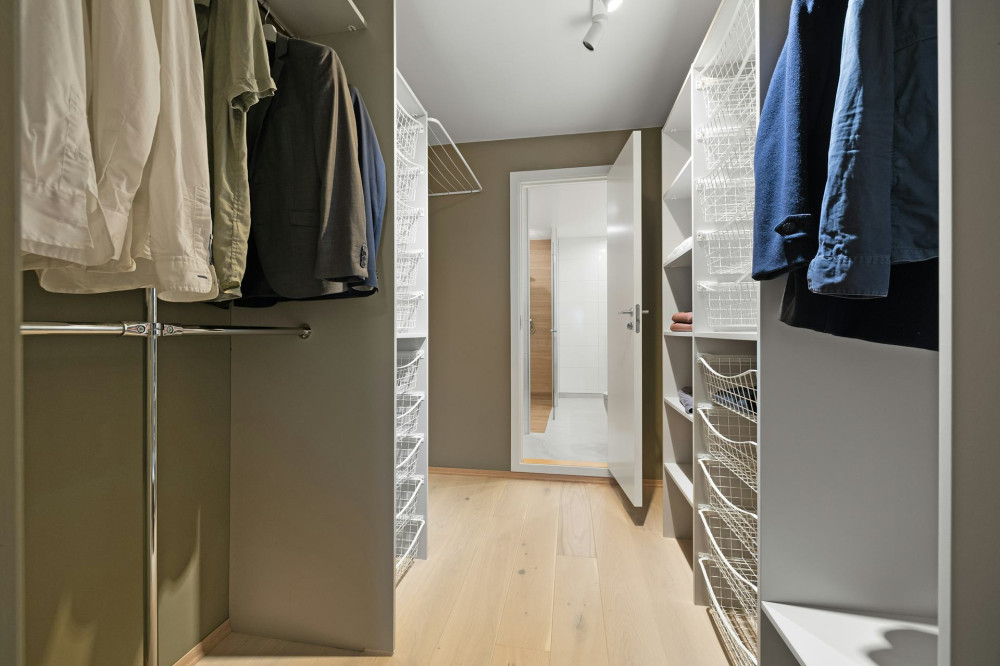
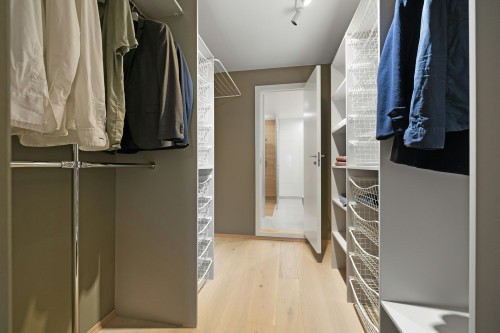
Consider dividing the closet into zones—one for adults, one for kids, and one for shared items like sportswear or outerwear. This helps everyone find what they need and encourages children to take responsibility for their own belongings.
Flexible Solutions That Grow With the Family
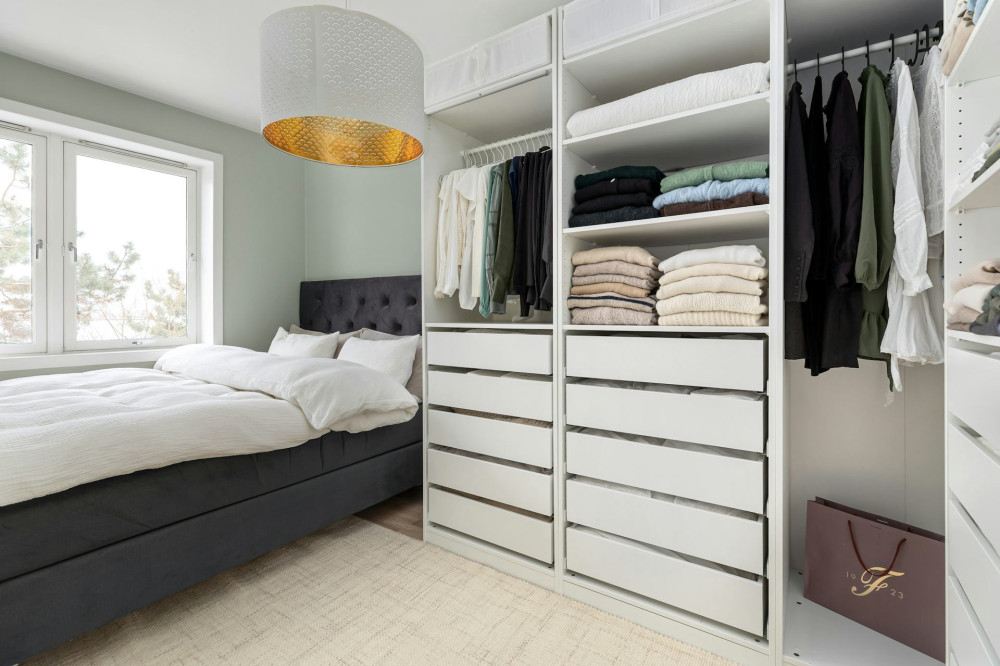
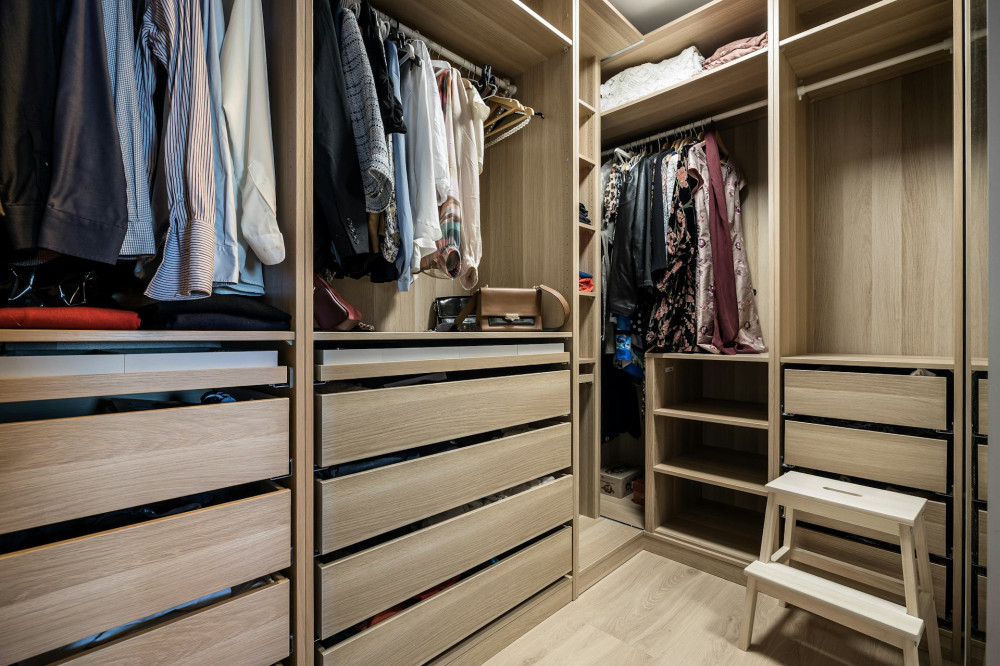
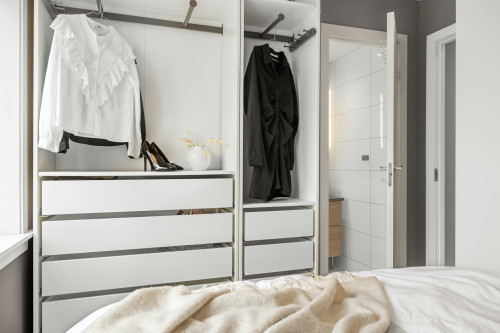
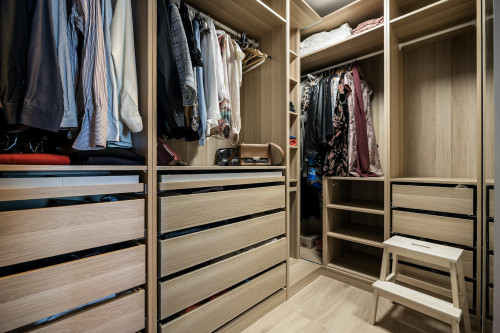
A functional closet is one that can adapt. Adjustable shelving, movable rods, and pull-out drawers make it easy to reconfigure the space as your family’s needs change.
Young children benefit from lower hanging rods and open bins, while teens often need more shelf space for folded clothes and shoes. Modular systems allow you to make changes over time without starting from scratch.
Think about multifunctional furniture too—a storage bench by the entryway, or sliding-door wardrobes that save space in narrow hallways. These solutions can help you make the most of every square foot.
Creating Order Through Smart Organization
Even the largest closet can feel too small if it’s not well organized. Use baskets, bins, and labels to create structure. Rotate clothing by season, and store off-season items in clear boxes or vacuum-sealed bags.
A good habit is to declutter the closet a couple of times a year. Kids outgrow clothes quickly, and regular sorting helps free up space and keep things manageable.
Lighting also matters. A well-lit closet makes it easier to see what you have and maintain order—especially during busy mornings.
As Kids Grow – Let the Closet Grow With Them
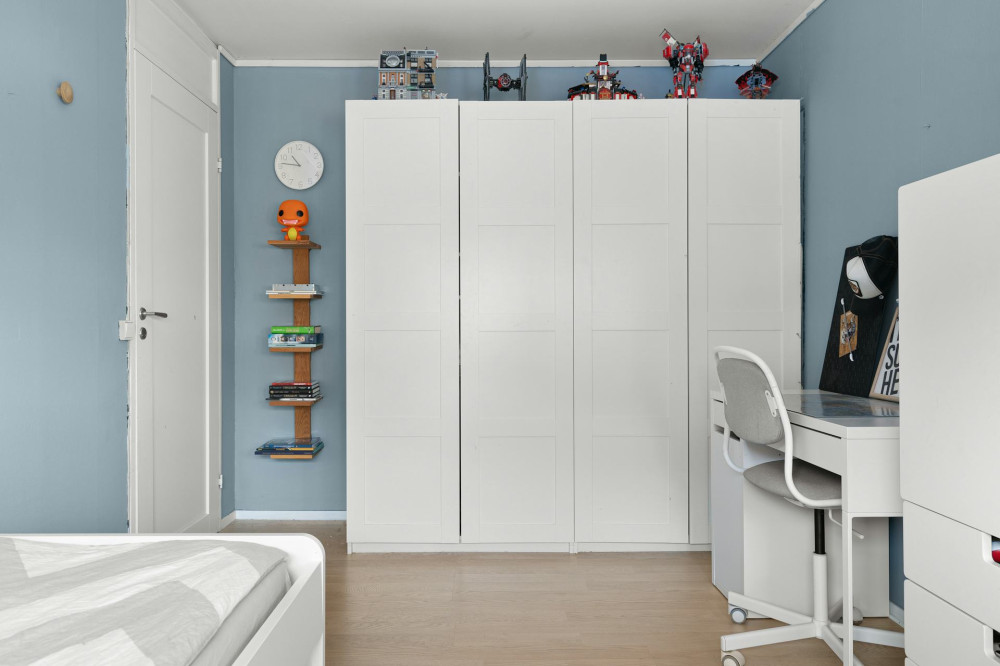
As children get older, their storage needs change. They accumulate more clothes, shoes, and gear for sports or hobbies. Involving them in organizing their own space can make a big difference.
Add a mirror at their height, a small shelf for favorite items, or a color-coded bin for sportswear. These touches make it fun for kids to stay organized while teaching them independence and responsibility.
Læs også:
When the Closet Must Serve Multiple Generations
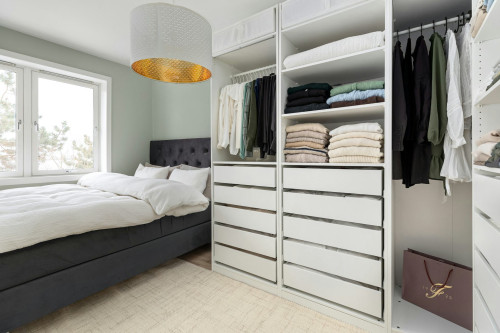
Sometimes families expand in other ways—grandparents move in, or adult children return home for a while. That can put new pressure on storage space. Creative thinking helps here: maybe an unused hallway corner can be turned into a mini-closet, or a guest room can get an extra wardrobe.
Sliding doors, narrow shelving, or wall-mounted systems can add storage without taking up too much room. The goal is to find solutions that fit both the space and the rhythm of family life.
A Closet That Reflects Life’s Stages
A closet tells the story of a family’s life—it changes as we do. From baby onesies to school uniforms, from work clothes to special-occasion outfits, it evolves with every new chapter. By planning ahead and choosing flexible systems, you can create a closet that serves your family for years to come.
It’s not just about storage—it’s about creating calm and order in daily life. A well-designed closet makes mornings smoother and frees up time for what truly matters: being together as a family.
Læs også: