Harmony at Home – Make Your Kitchen Match the Rest

Harmony at Home – Make Your Kitchen Match the Rest
The kitchen is often called the heart of the home – a place where we cook, gather, and start or end our day. But in many houses, the kitchen feels disconnected from the rest of the interior, either because it was remodeled at a different time or designed without considering the home’s overall style. If you want your home to feel cohesive and balanced, it’s worth thinking about how your kitchen can complement the rest of your living spaces. Here’s how to create harmony at home without sacrificing function or personality.
Begin with the Big Picture
Before you start picking out new cabinets, countertops, or paint colors, take a step back and look at your home as a whole. What colors, materials, and moods define your living areas? Is your home filled with warm, rustic tones, sleek modern finishes, or a cozy, traditional feel?
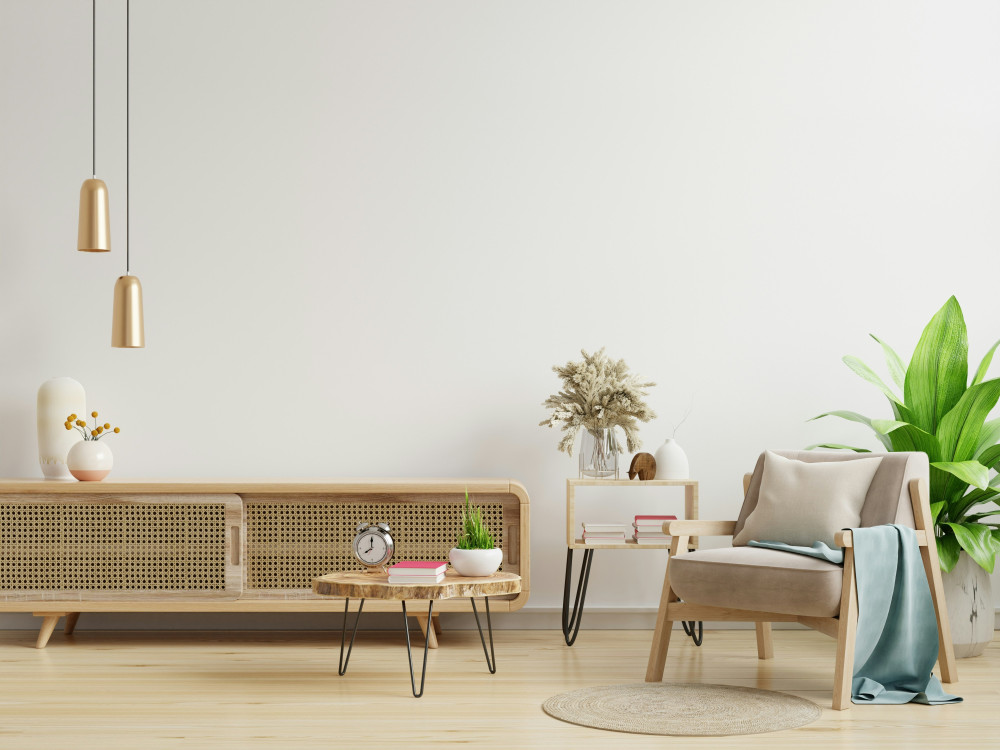
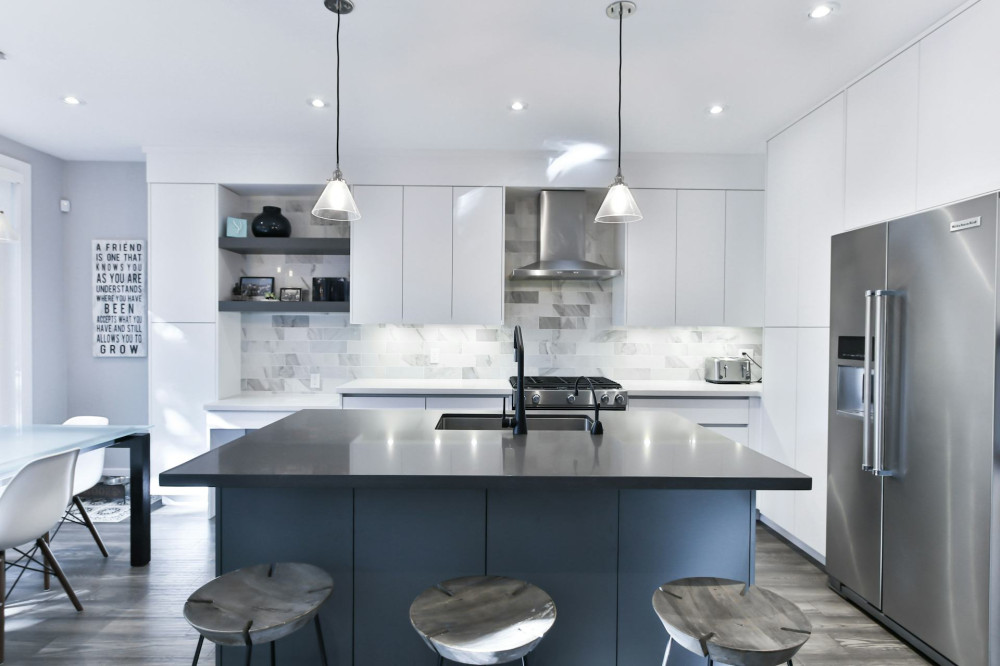
Once you identify your home’s overall direction, it becomes easier to choose a kitchen design that fits in. A bright white kitchen, for example, can feel more personal if you repeat wood tones or accent colors from your living room. On the other hand, a darker, more contemporary kitchen can create a striking contrast in a light-filled home – as long as there’s a common thread in materials and details.
Use Color to Connect Spaces
Color is one of the most powerful tools for creating flow between rooms. You don’t need to paint every wall the same shade, but you can let a particular hue appear in different ways throughout your home – perhaps as a wall color, a backsplash, or an accent in textiles and décor.
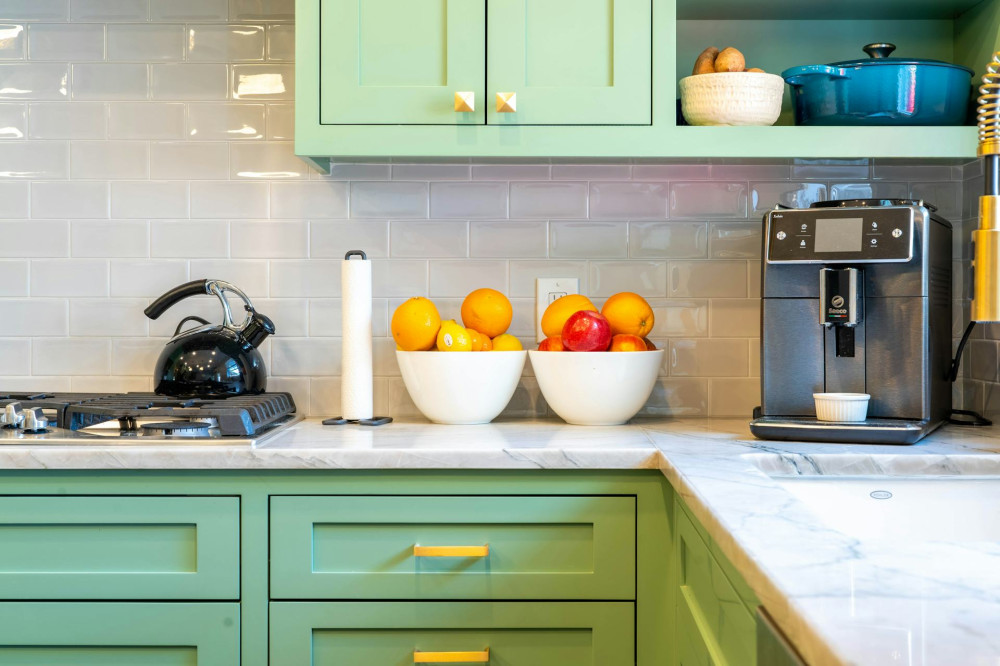
A good rule of thumb is to choose a palette of three to five complementary colors and use them consistently across rooms. This creates a sense of calm and unity while allowing each space to have its own character. For instance, if your living room features earthy tones and greenery, consider soft green cabinetry or natural stone tiles in the kitchen to echo that connection.
Materials and Finishes That Speak the Same Language
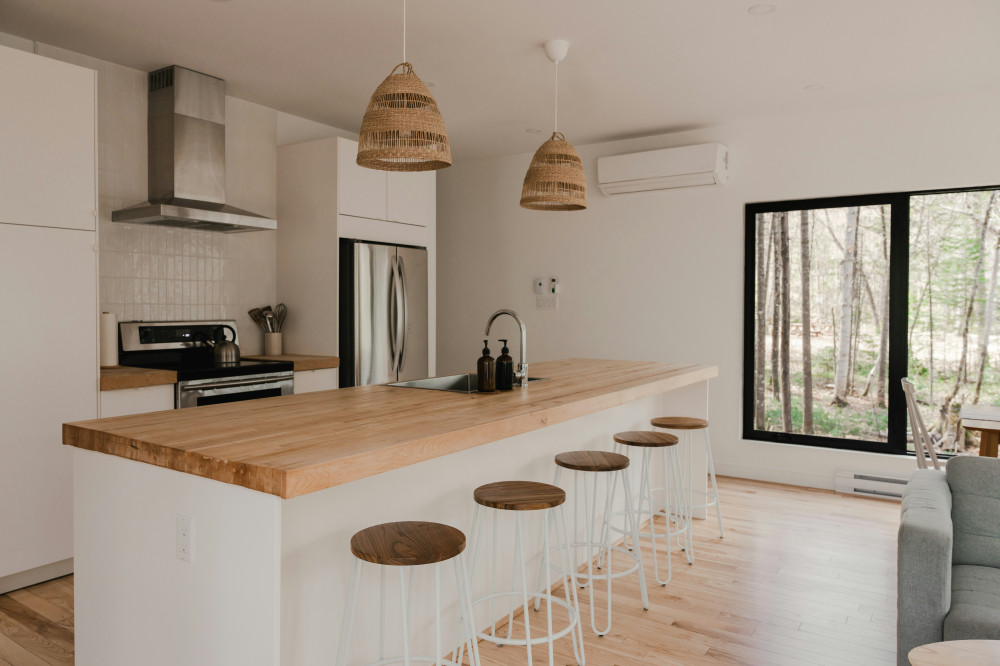
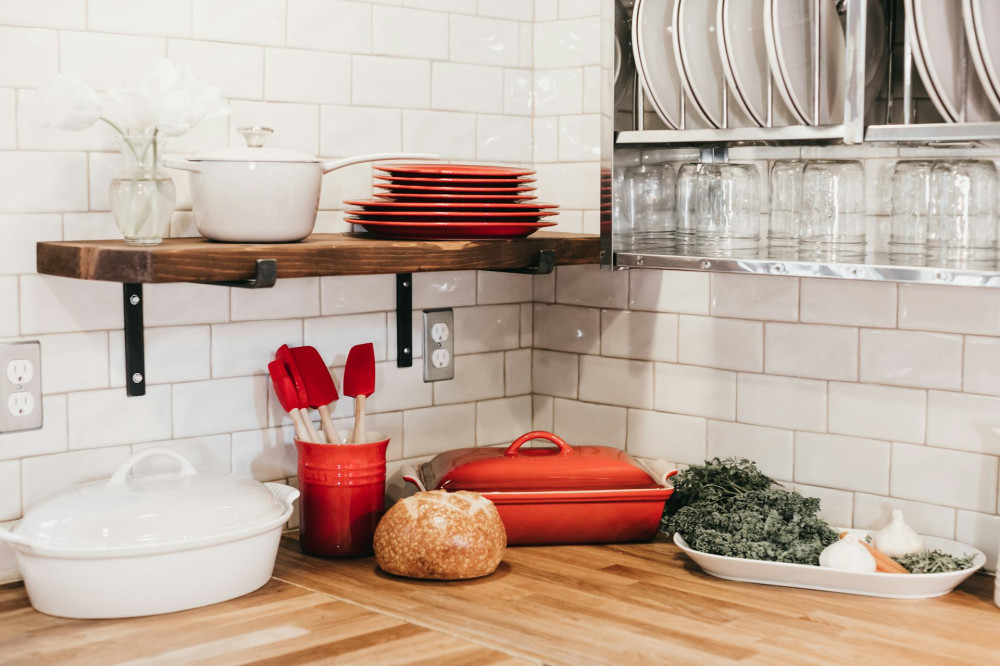
Materials play a huge role in how a space feels. Wood, stone, metal, and glass can be combined in countless ways, but they should relate to one another. If you have oak floors in your living room, consider using the same wood species for open shelving or a butcher-block countertop in the kitchen. This creates a seamless transition between spaces.
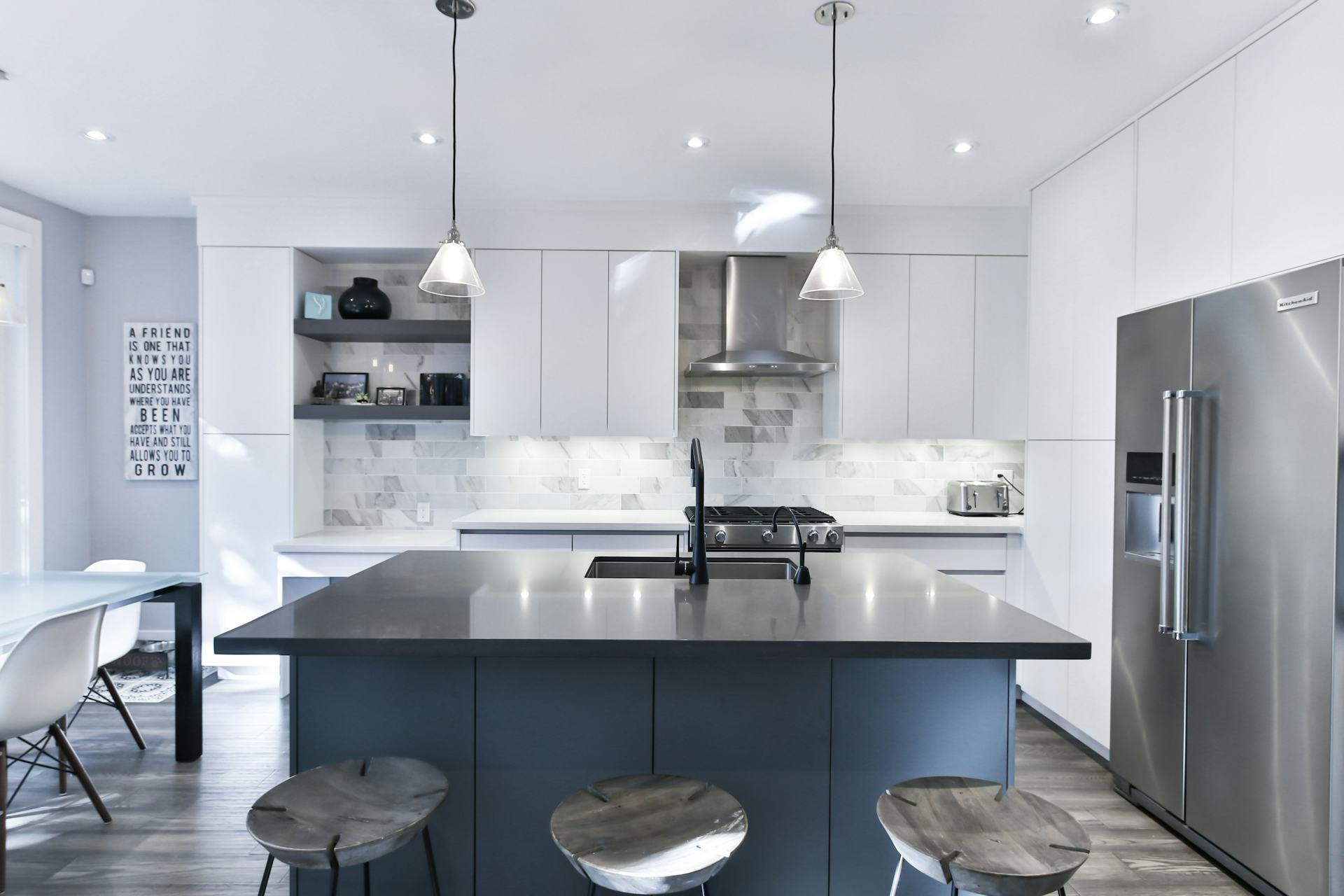
If your home leans toward a modern aesthetic with smooth surfaces and cool tones, matte finishes and stainless-steel or concrete-look details can tie the kitchen into the rest of the design. The goal isn’t to make everything identical, but to create a balanced dialogue between materials.
Læs også:

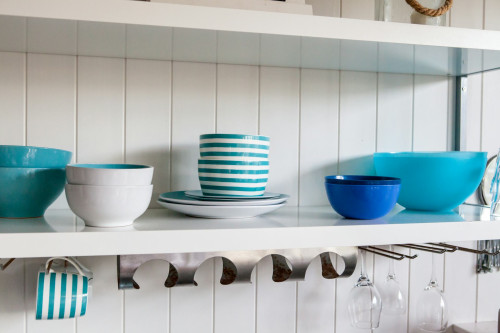
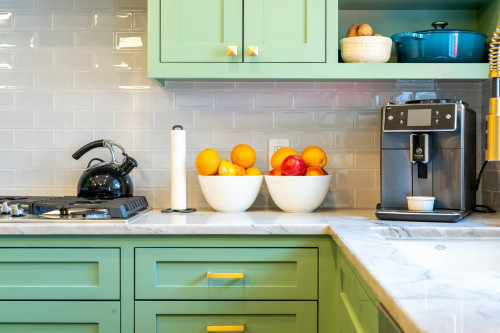
Blending Kitchen and Living Areas
In many American homes, the kitchen and living room share an open floor plan. That makes it even more important to think about how the two spaces interact. One way to achieve harmony is to let the kitchen design feel like a natural extension of the living area – for example, by continuing the same flooring or repeating colors from furniture and décor.
Lighting can also help define zones while maintaining unity. Pendant lights over the island can provide task lighting, while softer lamps in the living area create a cozy atmosphere. This way, each space serves its purpose but still feels part of a cohesive whole.
Details That Make the Difference
Small details can have a big impact. Hardware, faucets, lighting fixtures, and textiles are great opportunities to create consistency. If you have brushed brass accents in your living room, choose a kitchen faucet or cabinet pulls in the same finish. Or if your hallway features black-framed artwork, black handles on your kitchen cabinets can subtly tie the look together.
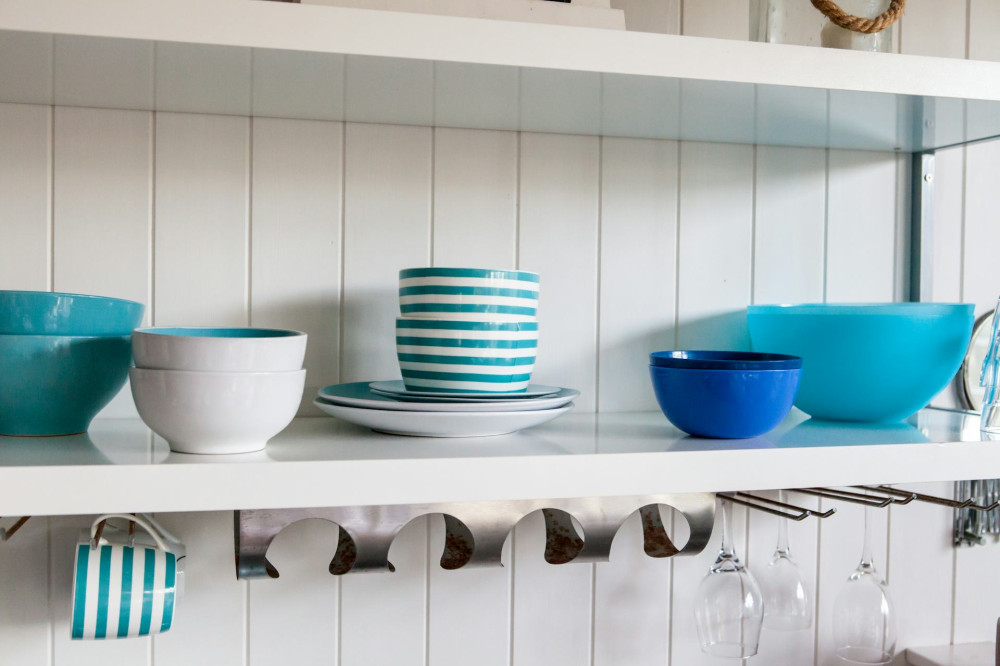
Plants, ceramics, and artwork can also help connect spaces. A few carefully chosen pieces that appear in multiple rooms give your home a sense of intention and flow.
Balancing Function and Style
While aesthetics matter, your kitchen must also work for your daily life. Think about how you use the space: Do you need extra counter space, more storage, or a spot for family meals? A kitchen that fits your lifestyle will always feel more naturally integrated into your home.
When function and form work hand in hand, the kitchen becomes more than just a workspace – it becomes part of your home’s story.
A Home That Feels Whole
Creating harmony at home isn’t about making every room look the same. It’s about finding balance – letting colors, materials, and moods speak the same language. When your kitchen complements the rest of your home, the result is a space that feels calm, connected, and truly your own.
Læs også: