Use Color to Highlight Details in the Kitchen

Use Color to Highlight Details in the Kitchen
A kitchen is more than a place to cook—it’s the heart of the home, where design and function come together. Color plays a powerful role in shaping how we experience the space. It can highlight details, set the mood, and express your personality. Whether your style leans modern, classic, or playful, color is the key to making your kitchen stand out.
Start with a Base Tone
Before diving into bold color choices, begin with a base tone that sets the foundation for your design. This could be a neutral shade—like white, gray, or soft beige—or something deeper, such as navy or forest green. The base tone influences how other colors appear and how the room feels overall.
A bright white kitchen feels clean and open but can seem sterile without contrast. Adding color through walls, hardware, or textiles brings warmth and character. On the other hand, a darker kitchen can feel sophisticated and calm but needs balanced lighting and accents to avoid feeling heavy.
Læs også:

Use Color to Draw Attention
Once your base tone is set, use color strategically to highlight specific features. Consider these ideas:
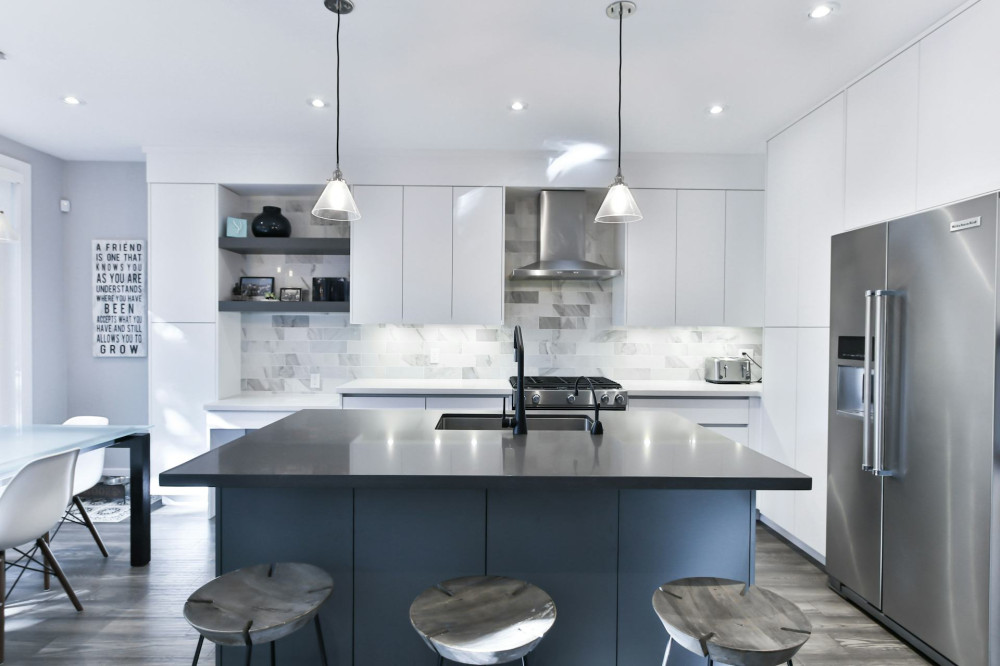
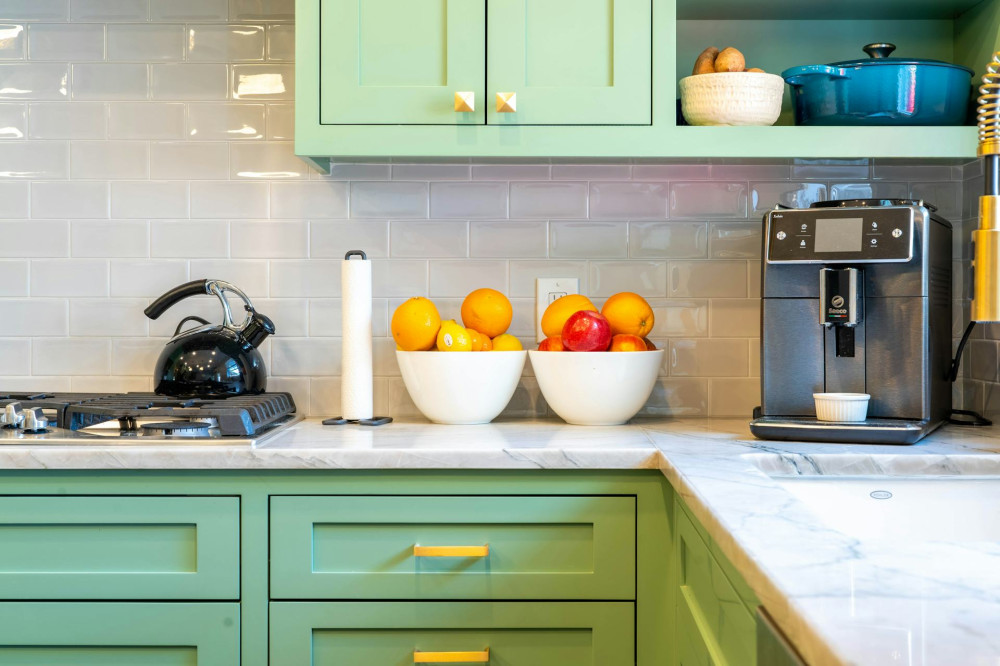
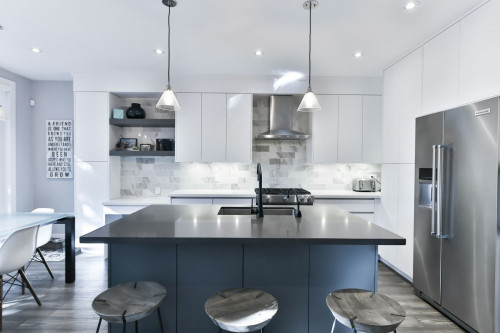
- Kitchen island – Paint it in a contrasting color to make it the focal point of the room. Deep blue, sage green, or even a rich terracotta can add depth and elegance.
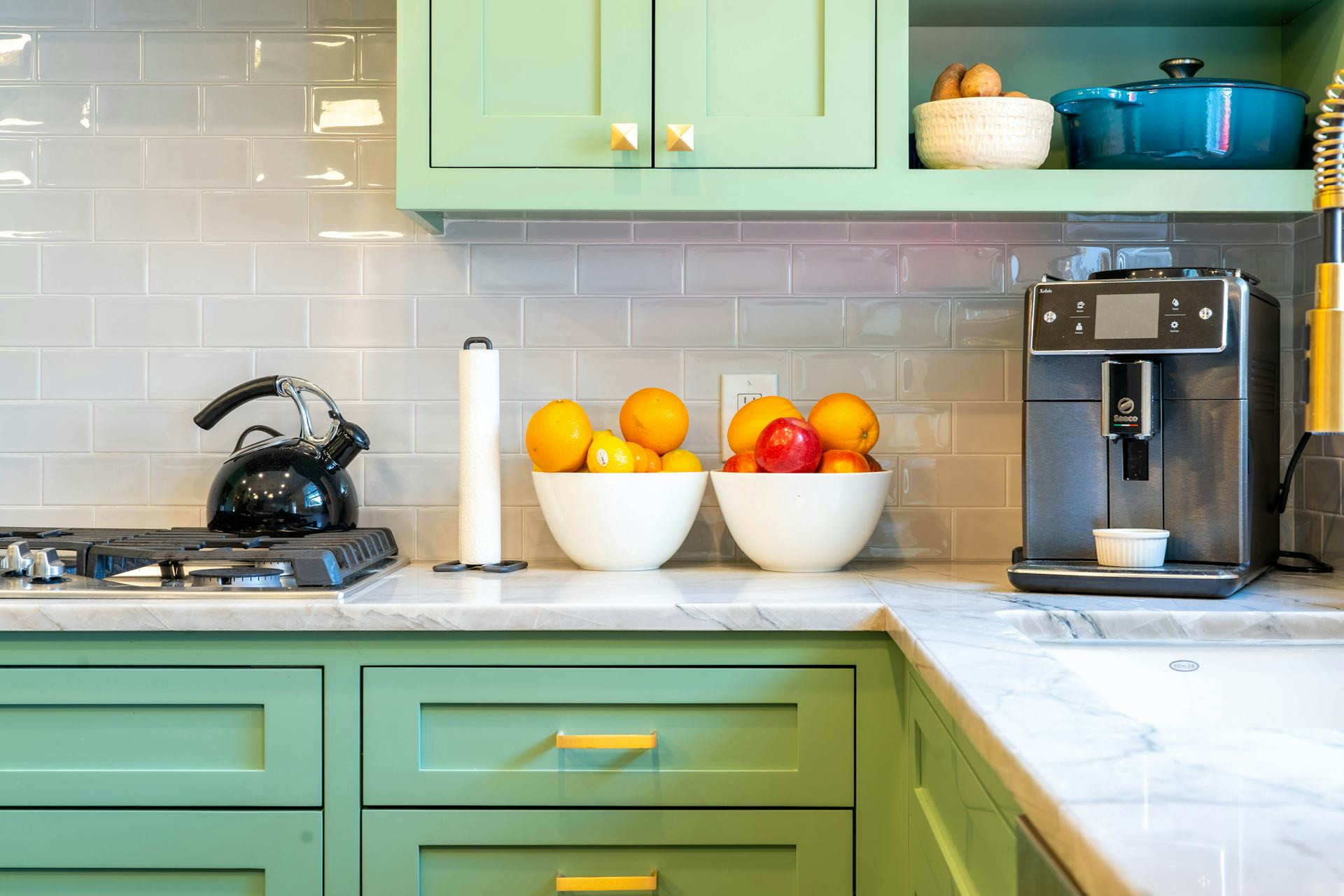
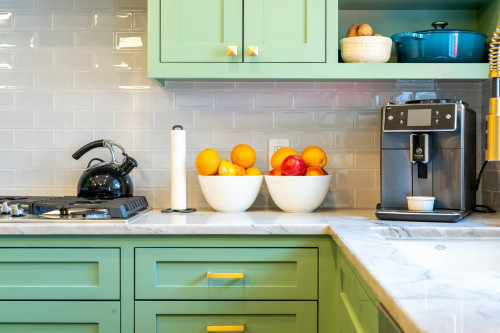
- Backsplash and walls – A colorful backsplash or an accent wall can add visual interest without overwhelming the space.
- Hardware and fixtures – Details in matte black, brass, or copper can tie the color scheme together and add a refined touch.
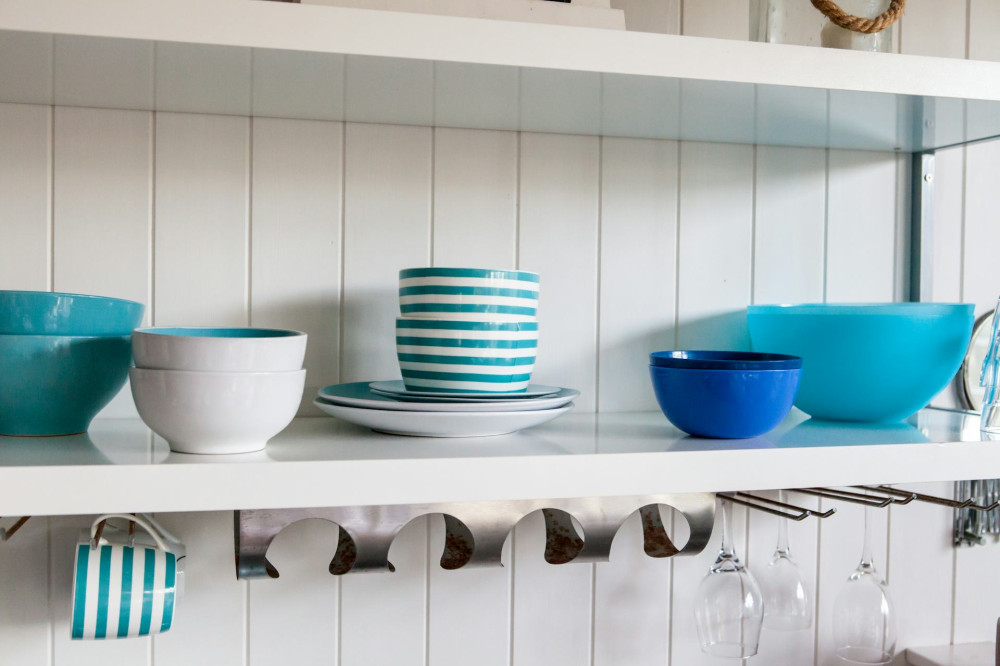
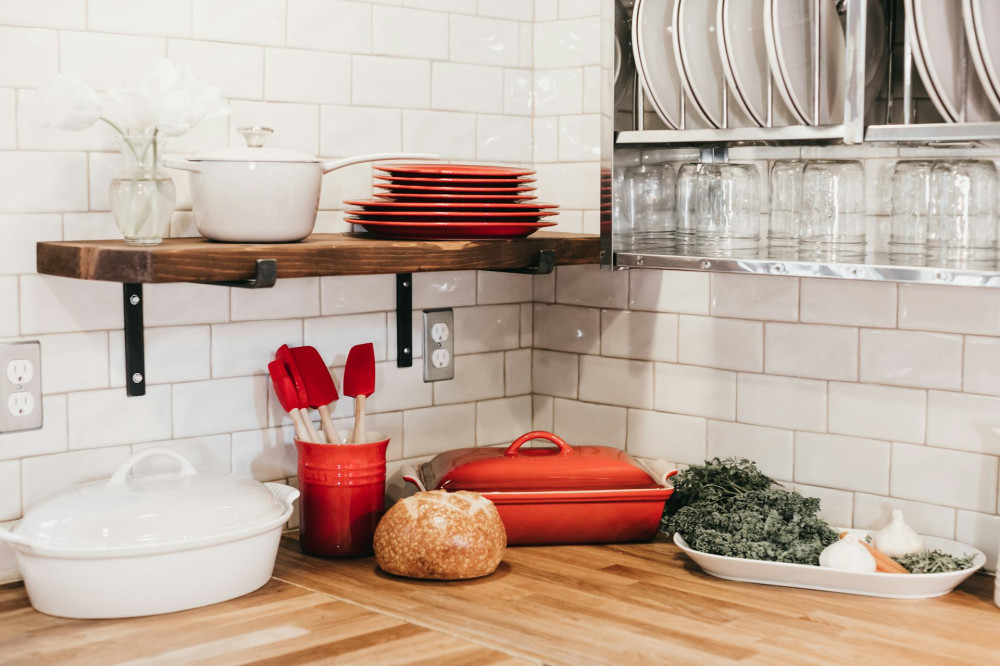
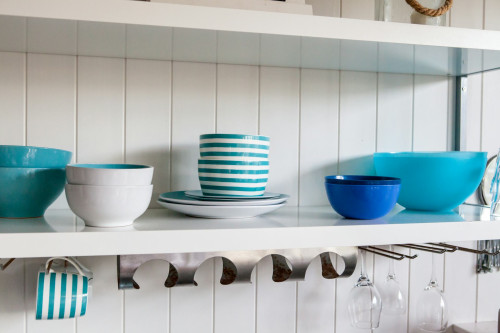
- Open shelving – Display colorful dishes, glassware, or cookbooks to bring personality and life to the room.
Color doesn’t have to be bold to make an impact. Subtle variations in wood, stone, or fabric can create harmony and texture.
Balance Color and Materials
A successful color palette is all about balance. Too many colors can make a space feel chaotic. A good rule of thumb is to stick to three main colors: one dominant, one secondary, and one accent.
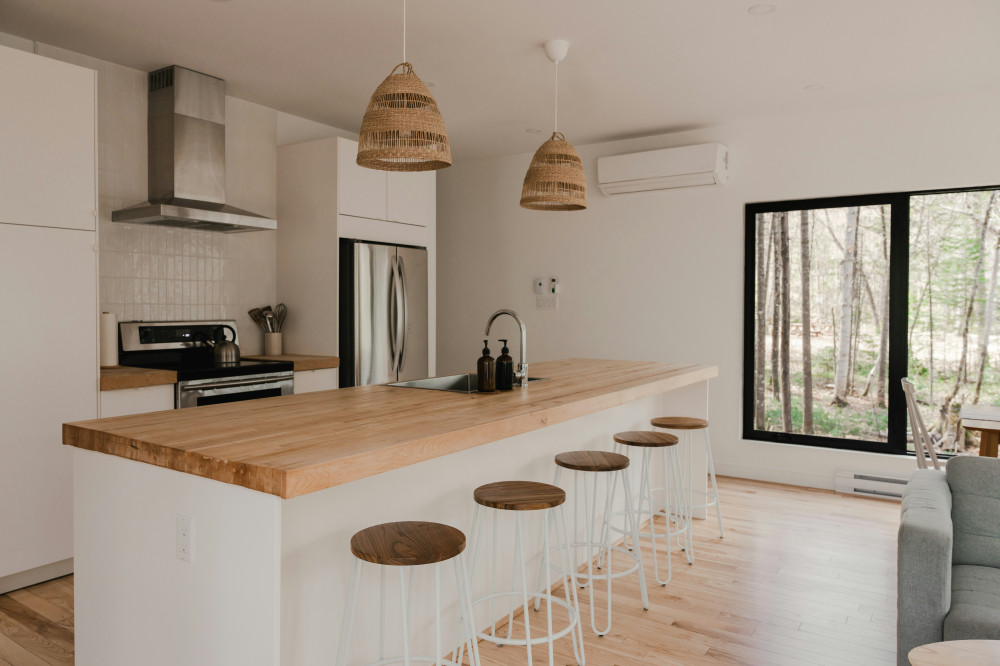
Materials also influence how colors interact. Wood, marble, stainless steel, and ceramic each have their own undertones and textures. For example, light wood cabinets pair beautifully with earthy greens or warm terracotta, while a sleek steel or concrete kitchen benefits from warmer hues like ochre or rust to soften the look.
Light: The Hidden Color Enhancer
Lighting dramatically affects how colors appear. Natural light changes throughout the day, and artificial light can either enhance or mute tones. Consider both when choosing your palette.
- Cool light (from LEDs or north-facing windows) makes blues and grays appear crisper.
- Warm light (from incandescent bulbs or south-facing windows) enhances reds, yellows, and warm neutrals.
Layering different light sources—overhead fixtures, under-cabinet lighting, and pendant lamps—creates flexibility and helps your colors shine in every setting.
Color as a Mood Setter
Color influences how we feel. In a kitchen, where we cook, gather, and connect, it’s worth thinking about the atmosphere you want to create.
- Blues and greens bring calm and freshness—perfect for a relaxed, airy kitchen.
- Yellows and oranges add energy and warmth—great for a lively, social space.
- Neutrals like gray, beige, and white create a timeless backdrop that can be refreshed with colorful accents.
Even small updates—like new curtains, dish towels, or a painted wall—can transform the mood without a full renovation.
Make It Personal
Your kitchen truly comes to life when it reflects who you are. Color is one of the easiest ways to make that connection. Maybe you love soft, natural tones, or perhaps you thrive on bold contrasts. There are no strict rules—only possibilities.
Experiment with paint samples and see how they change in different lighting throughout the day. The most important thing is that your kitchen feels like home and that the colors you choose support the atmosphere you want to create.
Læs også: