Healthy Indoor Air with the Right Bedroom Floor Care


Healthy Indoor Air with the Right Bedroom Floor Care
A healthy home environment starts with the surfaces we live on—and in the bedroom, the floor plays a key role. We spend hours there every night, and dust, moisture, and cleaning chemicals can all affect the air we breathe and the quality of our sleep. With the right floor care, you can create a space that’s clean, comfortable, and free from unnecessary pollutants. Here’s how to take care of your bedroom floor—and your health at the same time.
Why Floor Care Matters for Indoor Air Quality
Floors are where dust, pet dander, and pollen tend to settle. Every time you walk across the room, these particles can be stirred up into the air, affecting your indoor air quality. Keeping your floor clean helps reduce allergens and makes it easier to breathe comfortably.
At the same time, using harsh cleaning products can release fumes that irritate your lungs and contribute to poor air quality. Good floor care isn’t just about appearance—it’s about creating a healthier environment.
Læs også:


Choose the Right Cleaning Method for Your Floor Type
Different flooring materials require different care. Here are some general guidelines:
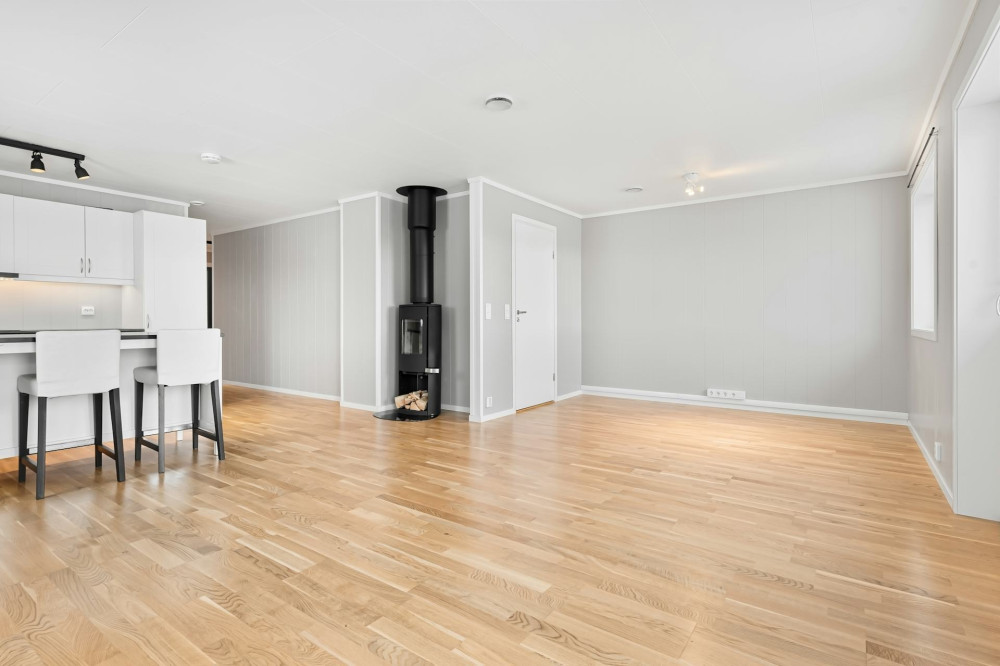
- Hardwood floors: Vacuum or sweep regularly with a soft brush attachment. Clean occasionally with a damp (not wet) mop and a mild, pH-neutral cleaner. Too much water can damage the wood and lead to moisture problems.
- Laminate floors: Wipe with a slightly damp mop. Avoid waxes or oils, which can leave streaks or buildup.
- Vinyl or linoleum: These can handle a bit more moisture, but still use gentle cleaners. Avoid ammonia or chlorine-based products, which can release strong fumes.
- Carpet: Vacuum thoroughly at least twice a week, and consider a professional deep cleaning once a year. A clean carpet can actually help trap dust—just make sure it’s kept clean.
Limit Unnecessary Chemicals
Many cleaning products contain fragrances and solvents that can irritate the respiratory system. Choose products labeled as low-VOC (volatile organic compounds) or certified by the EPA’s Safer Choice program. These options are formulated to minimize harmful emissions and protect indoor air quality.
You can also use simple, natural alternatives like diluted white vinegar or mild soap—but always test a small area first, especially on wood floors.
Ventilate Wisely
Even the best floor care won’t help if the air in your bedroom is stagnant. Open your windows for a few minutes each day to let fresh air circulate and remove moisture and airborne particles. If you live in an area with high outdoor pollution or pollen, try airing out your room early in the morning or late in the evening when levels are lower.
Using an air purifier with a HEPA filter can also help capture fine dust and allergens that cleaning might miss.
Keep Humidity and Dust Under Control
Healthy indoor air depends on balanced humidity. Too much moisture can lead to mold, while air that’s too dry can irritate your throat and skin. Use a hygrometer to monitor humidity levels—ideally between 40% and 60%. A dehumidifier or humidifier can help you stay within that range.
Vacuum with a HEPA-filtered vacuum cleaner to capture fine particles, and wash bedding and curtains regularly to reduce the amount of dust that settles on the floor.
Build a Routine That Lasts
Consistency is key to maintaining both your floor and your indoor air quality. Create a simple routine:
- Vacuum or sweep 1–2 times per week
- Mop or clean floors every other week (or as needed)
- Refinish or treat hardwood floors a few times a year
These small habits will keep your bedroom fresh, your floors beautiful, and your air cleaner.
A Healthy Bedroom Starts from the Ground Up
Taking care of your floor means taking care of yourself. A clean, well-maintained floor supports better air quality, fewer allergens, and a calmer atmosphere—all of which contribute to better sleep and overall well-being. With a few mindful habits and the right cleaning products, you can create a bedroom that truly feels—and breathes—healthy.
Læs også: