Light or Dark Floors? How to Choose the Right One

Light or Dark Floors? How to Choose the Right One
Choosing the color of your flooring is one of the most important design decisions you’ll make for your home. Light floors can make a space feel larger and more open, while dark floors add warmth, depth, and sophistication. But which is right for your home—and how do color, lighting, and maintenance factor into the choice? Here’s a guide to help you decide.
Light Floors – Airy, Modern, and Easy to Decorate With
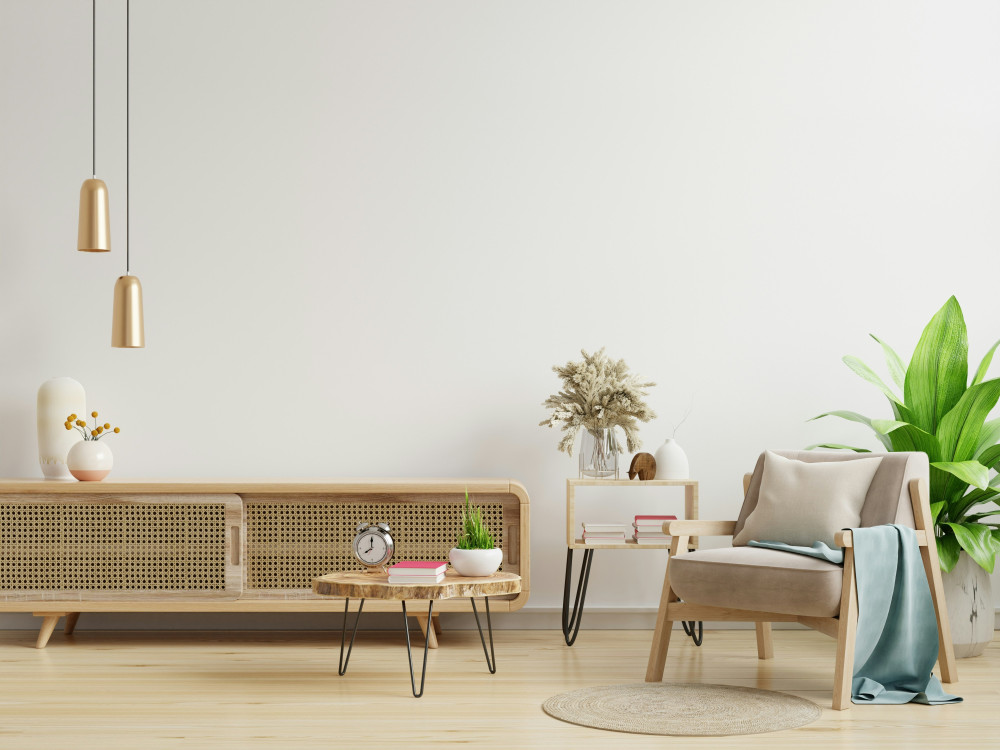
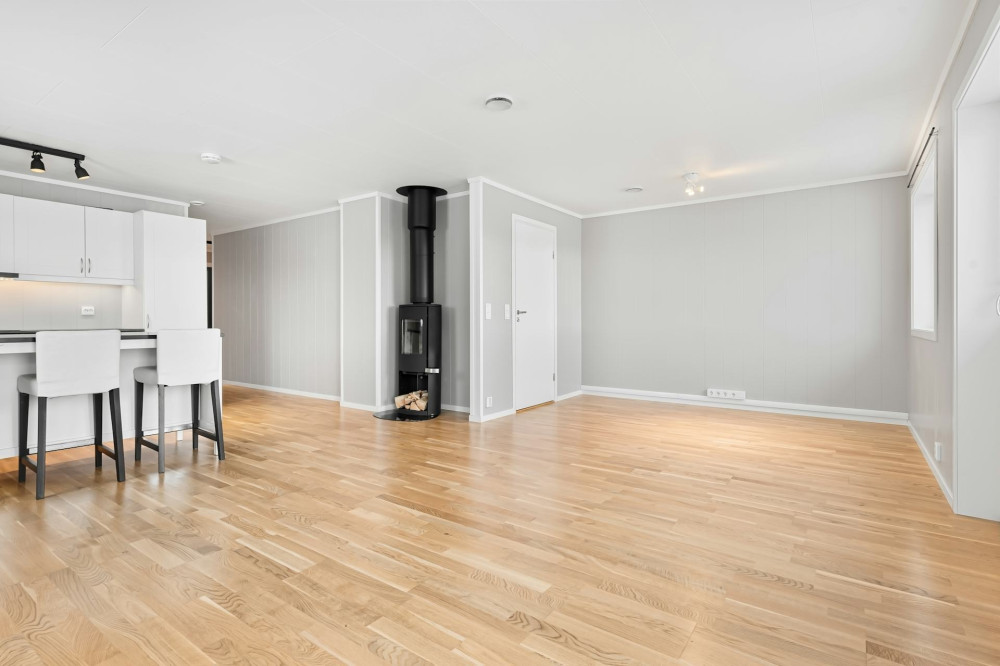
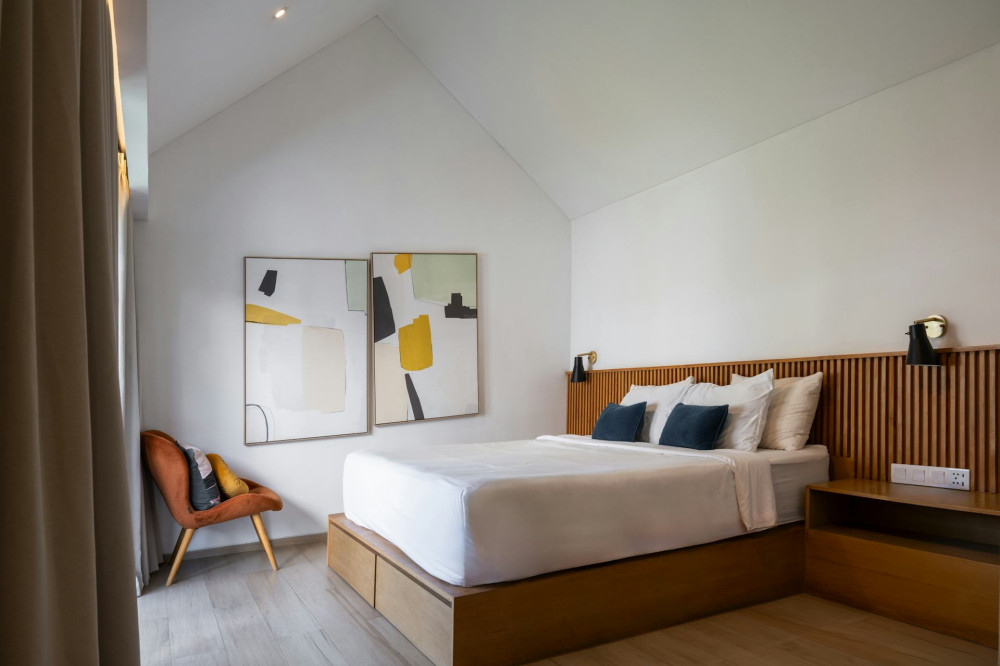
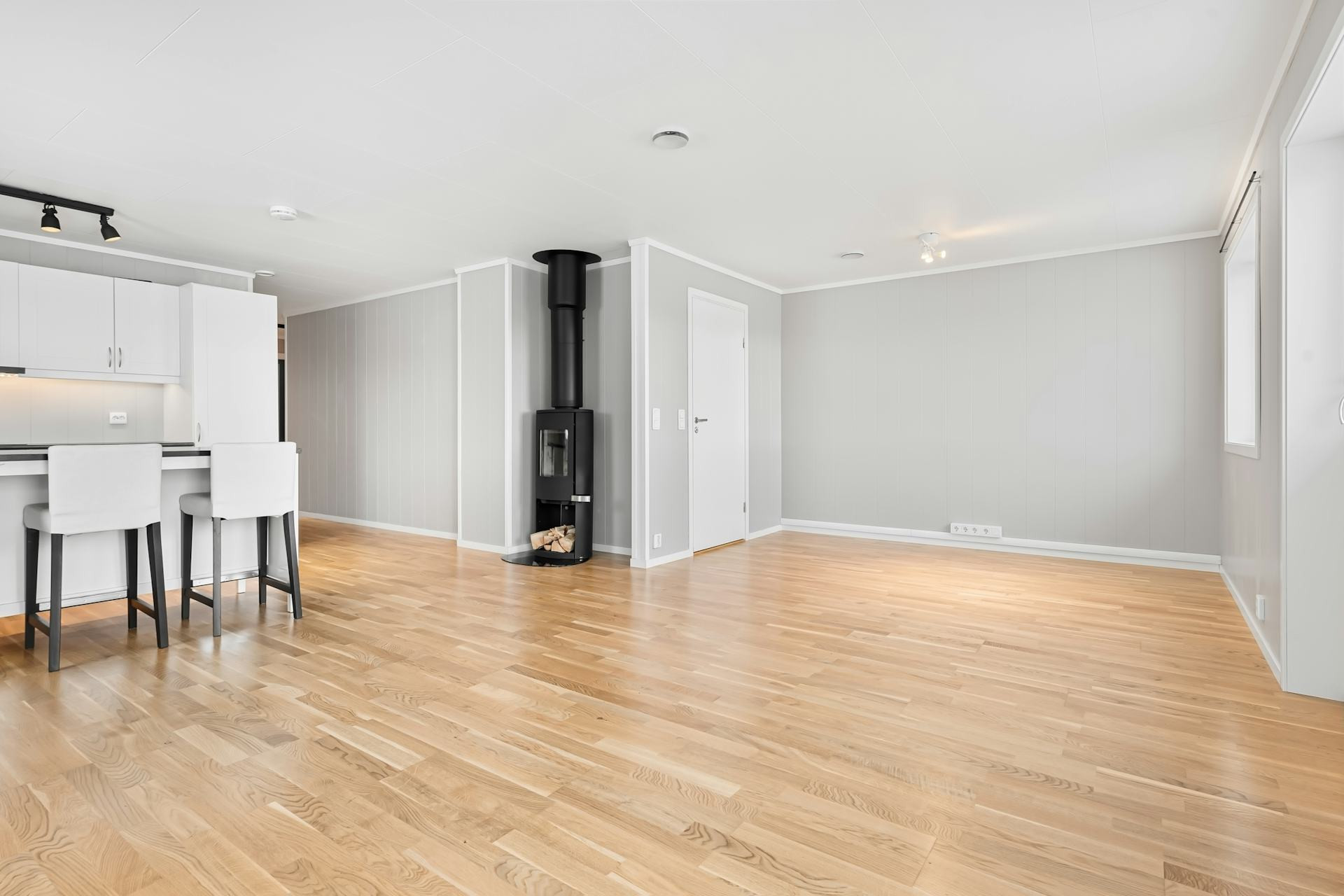
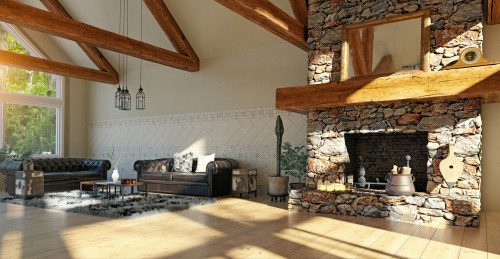
Light woods like oak, maple, or birch are popular choices in many American homes. They reflect natural light beautifully, making rooms feel brighter and more spacious—especially helpful in smaller spaces or homes with limited sunlight. Light floors pair well with modern, coastal, or Scandinavian-inspired interiors, where clean lines and natural materials take center stage.
A light floor acts as a neutral foundation, allowing you to easily change your décor over time. It complements both light and dark furniture and highlights textures like wool, leather, and metal in a subtle, elegant way.
Advantages of light floors:
- Make rooms appear larger and more open
- Work with a wide range of interior styles
- Reflect natural light for a fresh, airy look
Disadvantages:
- Dirt and wear can be more visible, especially on very pale finishes
- Require regular cleaning to maintain their brightness
Læs også:
Dark Floors – Elegant, Cozy, and Timeless
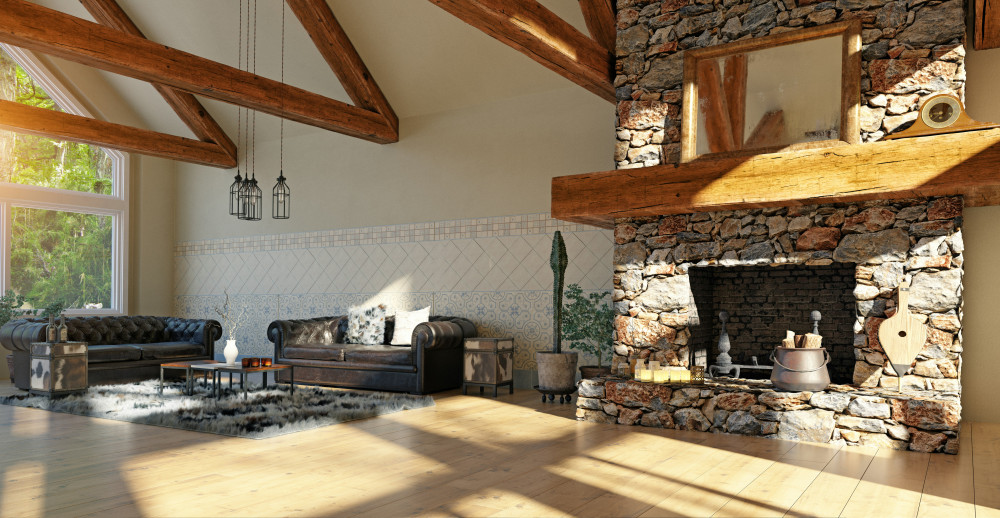
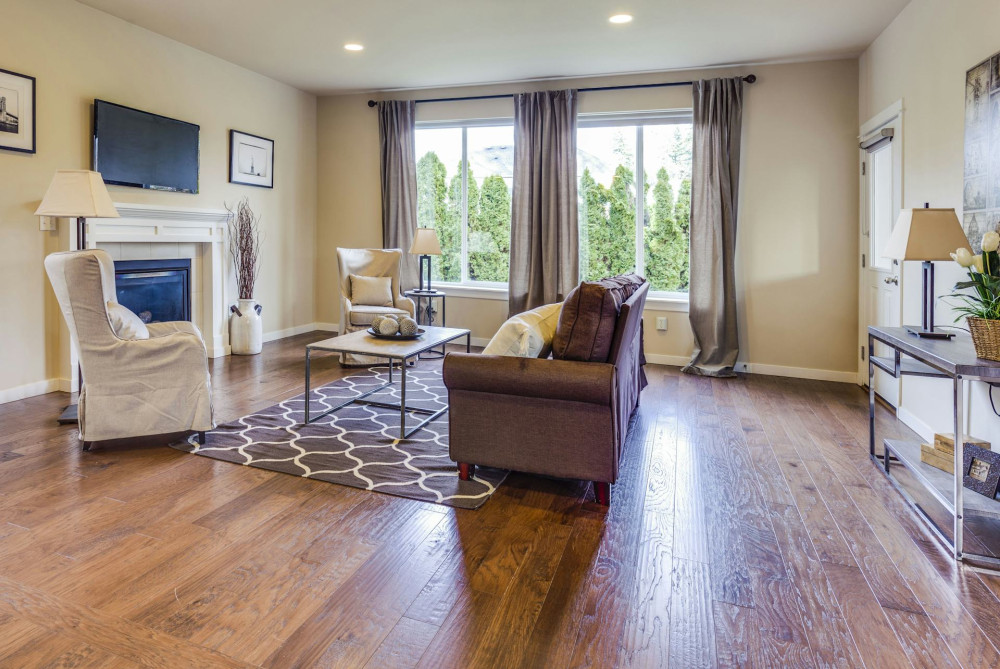
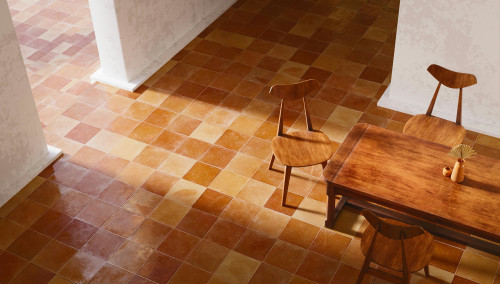
Dark floors—such as walnut, espresso-stained oak, or dark hickory—bring a sense of luxury and calm to a room. They create contrast against light walls and furniture, adding depth and character. Dark floors work especially well in larger spaces, where they can ground the room and make it feel more intimate.
Many homeowners choose dark floors for their classic or dramatic appeal. They pair beautifully with warm tones, rich fabrics, and natural materials like leather and wool.
Advantages of dark floors:
- Create a cozy, sophisticated atmosphere
- Add contrast and visual interest to light interiors
- Hide small scratches and imperfections better than light floors
Disadvantages:
- Can make a room feel smaller or more enclosed
- Show dust, pet hair, and light debris more easily
Consider Room Size and Lighting
When choosing floor color, think about the size of the room and how much natural light it gets. In smaller rooms or spaces with limited sunlight, light floors almost always make the space feel larger and more open. In large, sun-filled rooms, dark floors can add balance and warmth.
A helpful tip: bring home flooring samples and observe them throughout the day. Natural light, artificial lighting, and wall colors all affect how a floor color looks in your space.
Think About Maintenance and Durability
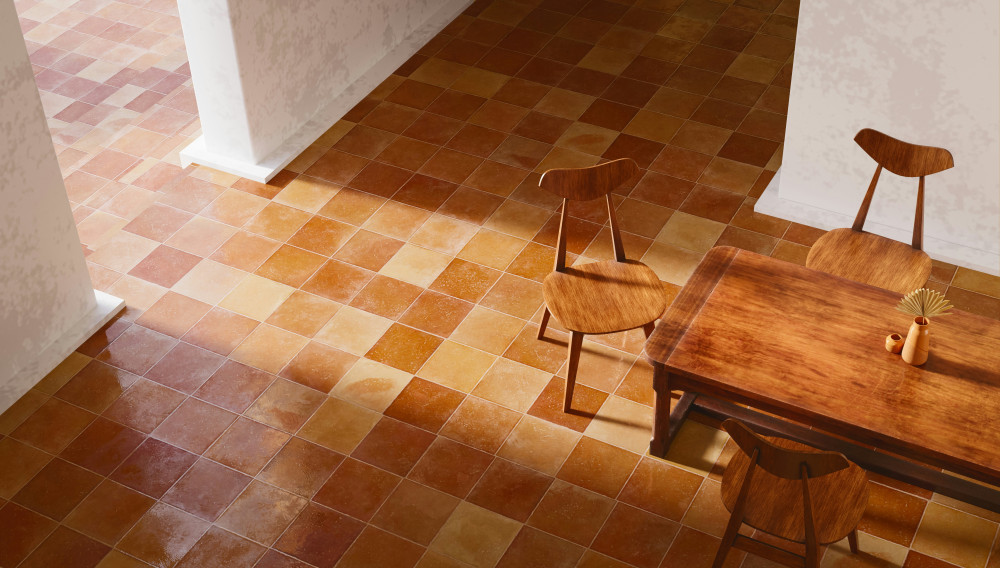
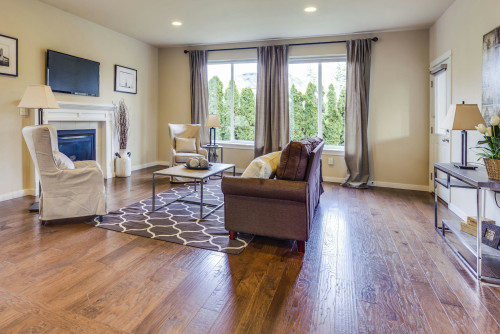
No matter the color, your floor should fit your lifestyle. If you have kids, pets, or high-traffic areas, a mid-tone floor with some texture may be the most practical choice—it hides dirt and scratches better than very light or very dark options.
The finish also matters. Matte or oiled finishes may need more frequent care but can be spot-repaired easily. Polyurethane or factory-finished floors are more resistant to stains and easier to clean, making them ideal for busy households.
Create Harmony With the Rest of Your Décor
Your flooring sets the tone for the entire room, so consider how it interacts with your walls, furniture, and textiles. Light floors give a modern, open feel, while dark floors emphasize a classic or rustic style. If you’re unsure, a medium-tone wood—like natural oak—offers balance and flexibility.
For a cohesive look, consider using the same flooring color throughout your home. This creates a sense of flow and unity, especially in open-concept spaces.
It’s All About Mood—and Personality
There’s no single “right” choice when it comes to floor color. It depends on your home, your lighting, and your personal taste. Light or dark floors ultimately come down to the mood you want to create. Do you want your home to feel bright and airy—or warm and inviting?
With the right combination of color, material, and finish, you can choose a floor that fits your lifestyle and stays beautiful for years to come.
Læs også: