Light and Space – How Lighting Shapes the Feel of Your Home

Light and Space – How Lighting Shapes the Feel of Your Home
Light in a home is much more than a practical necessity. It sets the mood, influences how we feel, and can make a space seem larger, warmer, and more inviting. In other words, lighting is one of the most powerful—and often overlooked—tools for creating balance and atmosphere in your home. Here’s how light shapes the perception of space and how you can use it intentionally in your interior design.
Light Creates Mood and Direction
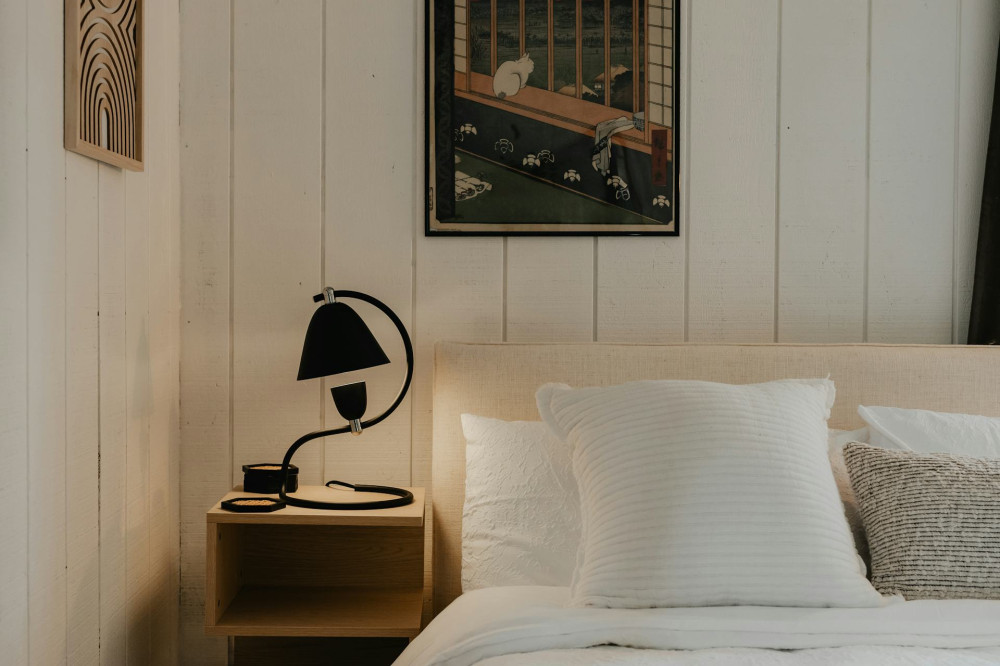
When you walk into a room, light is often the first thing that defines its character. A warm, dim glow can make a space feel calm and cozy, while bright, cool light feels energizing and focused. Good lighting isn’t just about brightness—it’s about the type of light and where it’s placed.
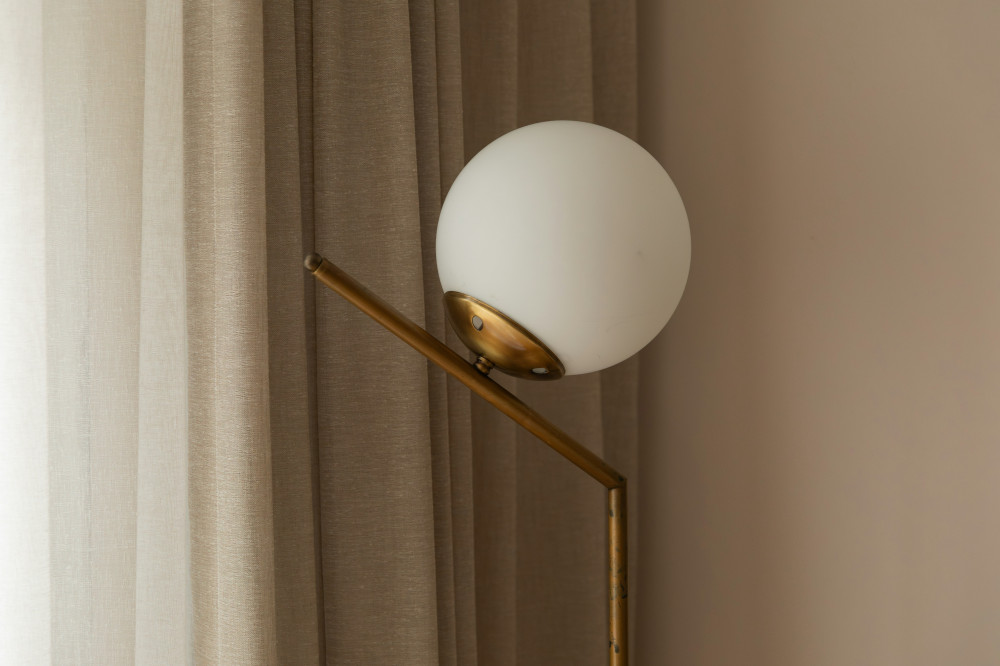
Think about how each room is used. In the living room, multiple light sources—floor lamps, table lamps, and wall sconces—can create a soft, layered glow that feels relaxed and welcoming. In the kitchen or home office, you’ll want more direct, functional lighting that helps you see clearly while you work.
Læs også:

How Light Changes the Sense of Space
Light can make a room feel larger or smaller, taller or more intimate. It all depends on how it’s distributed. A dark corner can make a space feel closed in, while a well-placed lamp can open it up. Light-colored walls reflect light and create a sense of spaciousness, while darker tones absorb it, adding depth and intimacy.
If you want a small room to feel bigger, try indirect lighting—LED strips behind furniture or along the ceiling can make walls seem to “disappear” and give the room a lighter feel. In larger spaces, use focused lighting to create zones and visual depth so the room feels cohesive rather than empty.
Color Temperature and Light Quality
Light comes in different color temperatures, measured in kelvins (K). Warm light (around 2700–3000 K) has a golden tone similar to candlelight and works well in living rooms and bedrooms. Neutral or cool light (4000–6000 K) feels crisp and natural, making it ideal for work areas, bathrooms, and kitchens.
It’s also worth paying attention to color rendering, measured by the CRI (Color Rendering Index). A high CRI (90 or above) means colors appear more accurate and vibrant—important if you want your wall colors, fabrics, and artwork to look their best.
Layering Light for a Balanced Design
A well-lit home rarely relies on a single light source. Think in layers:
- Ambient lighting provides general illumination, often from ceiling fixtures or recessed lights.
- Task lighting adds focused brightness where you need it—by a reading chair, over the kitchen counter, or near a vanity mirror.
- Accent lighting adds personality and warmth—dimmable lamps, string lights, or even candles.
Combining these layers gives you flexibility to adjust the atmosphere depending on the time of day or activity.
Natural Light – The Most Valuable Source
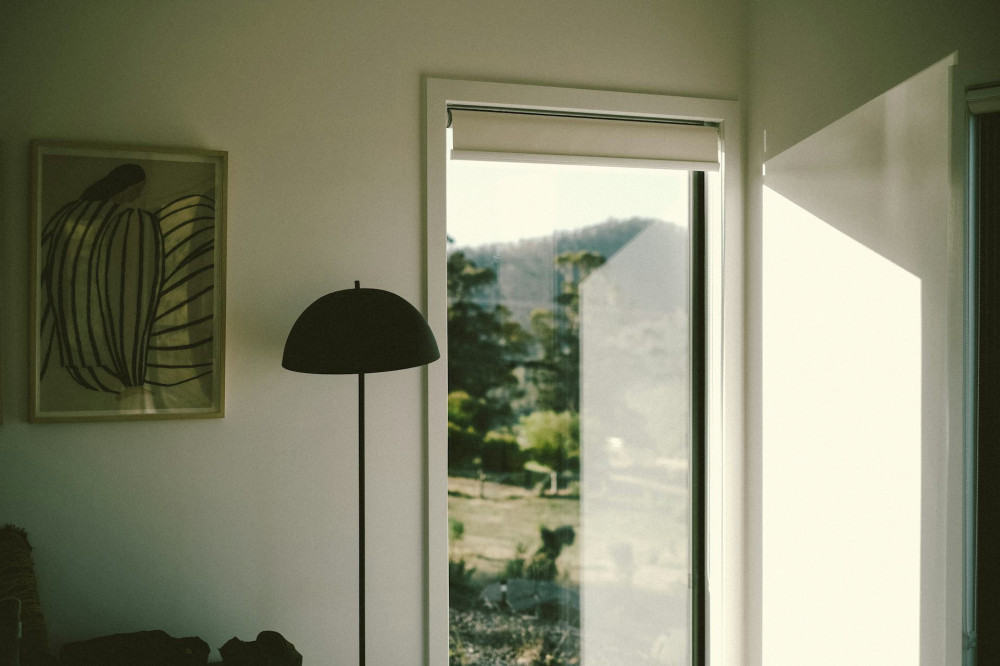
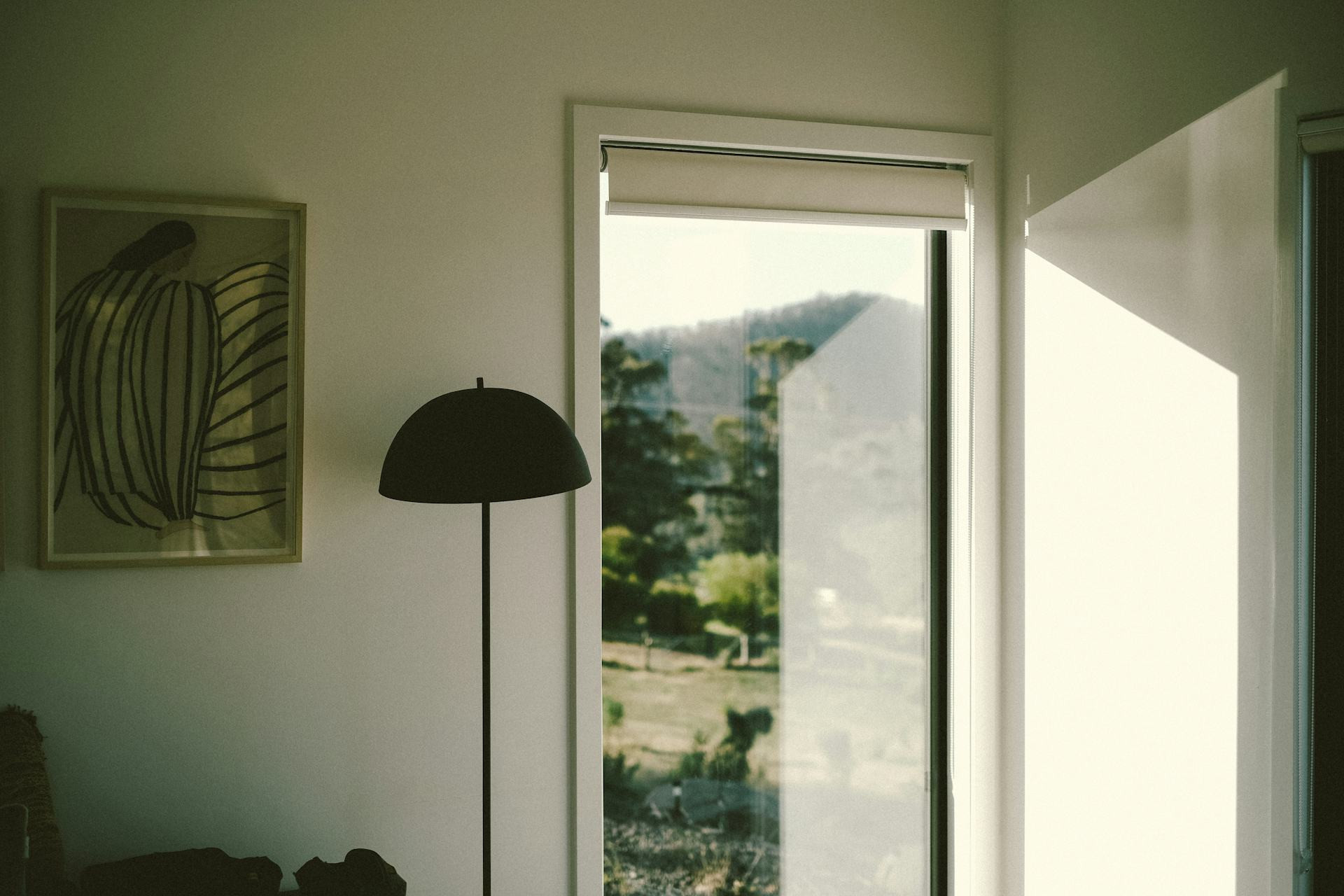
No artificial light can fully replace daylight. Natural light supports our circadian rhythm, boosts mood, and enhances well-being. Keep windows clear of heavy coverings, and use sheer curtains that let sunlight filter through. Mirrors can also be placed strategically to reflect daylight and make a room feel brighter and more open.
As evening approaches, let the transition from daylight to evening light happen gradually—dim overhead lights, switch to warmer tones, and allow your body to unwind naturally.
Lighting as Part of Your Décor
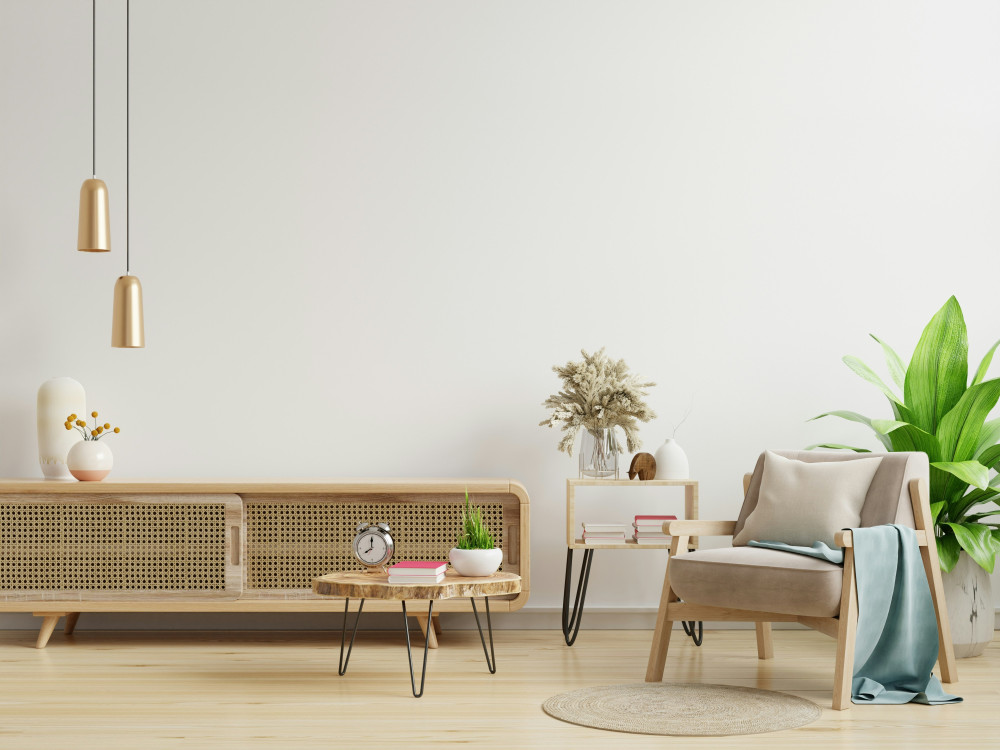
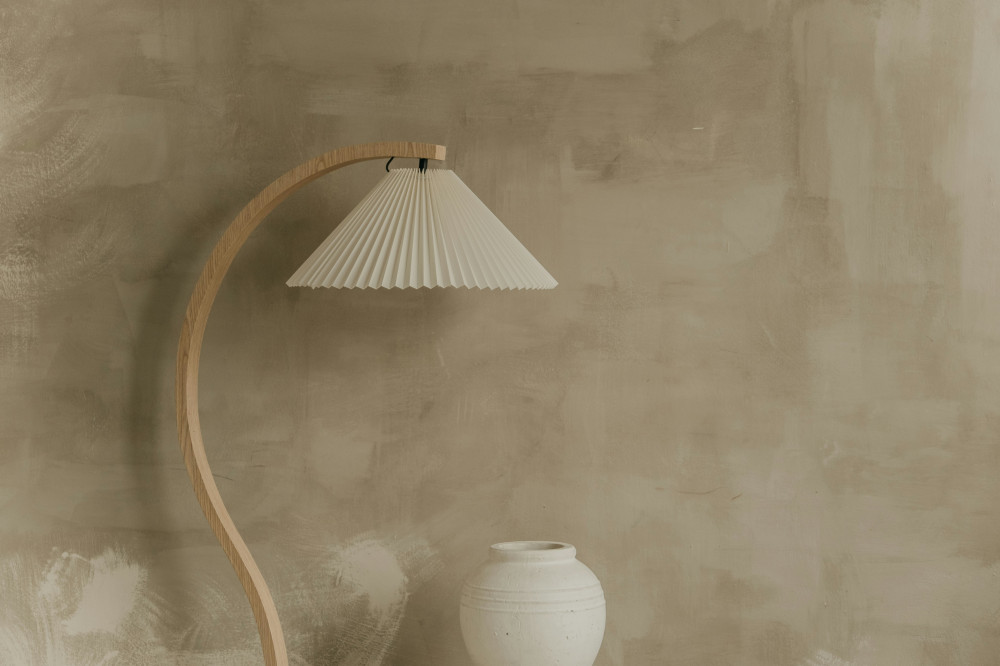
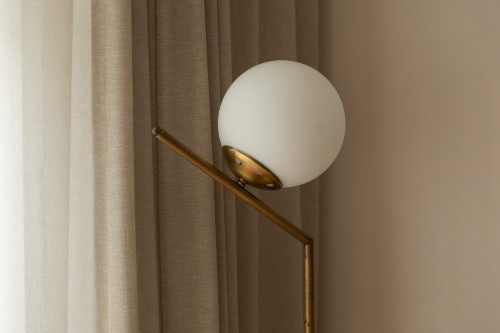
Light fixtures aren’t just functional—they’re design elements that express your style. A sculptural pendant over the dining table can serve as a focal point, while subtle wall lights can highlight architectural details. Think of your lighting as part of the overall composition, where form, material, and light work together.
Don’t be afraid to experiment. Move lamps around, try different bulbs, and notice how the atmosphere changes. Small adjustments can make a big difference.
Finding Balance Between Light and Life
Ultimately, lighting is about balance—between function and mood, between brightness and shadow. A well-lit home feels alive because the light adapts to your daily rhythm and supports the way you live. When you work consciously with light, you can transform even the simplest space into a place that feels comfortable, harmonious, and truly your own.
Læs også: