The Lighting of the Future Unites Design, Functionality, and Sustainability

The Lighting of the Future Unites Design, Functionality, and Sustainability
Lighting in our homes and cities is no longer just about visibility—it’s about atmosphere, well-being, and responsibility. The way we illuminate our spaces reflects how we live, work, and care for the planet. As technology evolves and sustainability becomes a shared priority, lighting is entering a new era—one that merges design, functionality, and environmental awareness in ways that redefine how we experience light.
Light as a Design Element
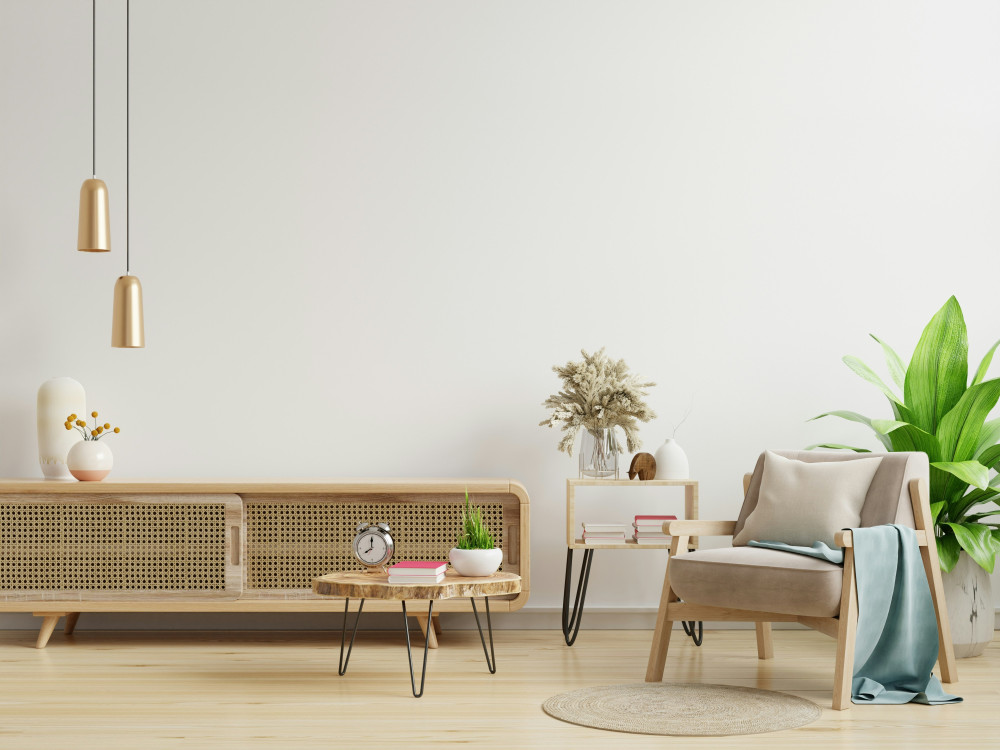
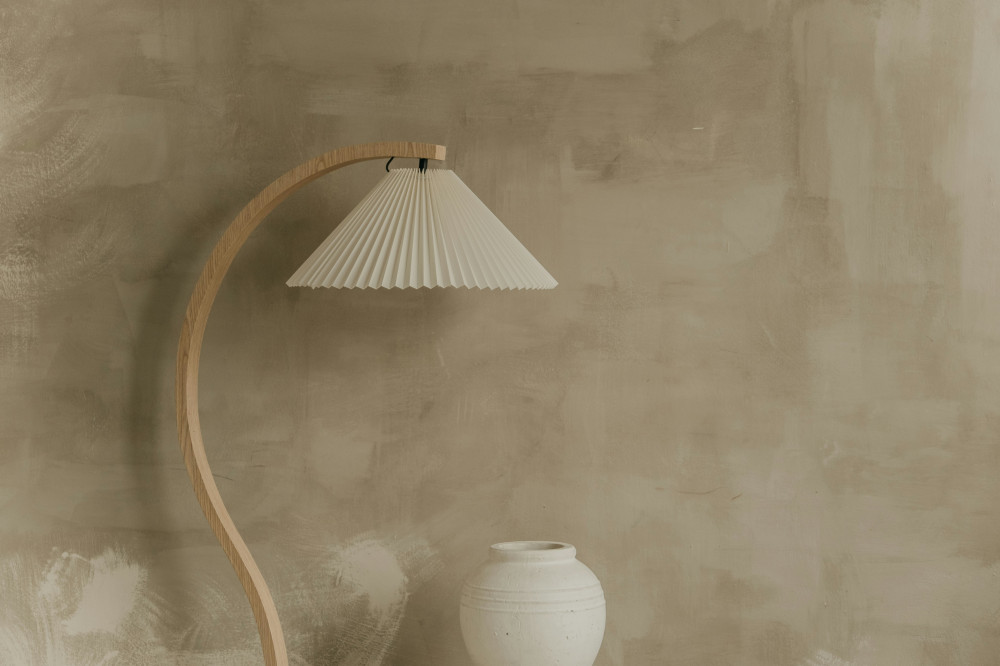
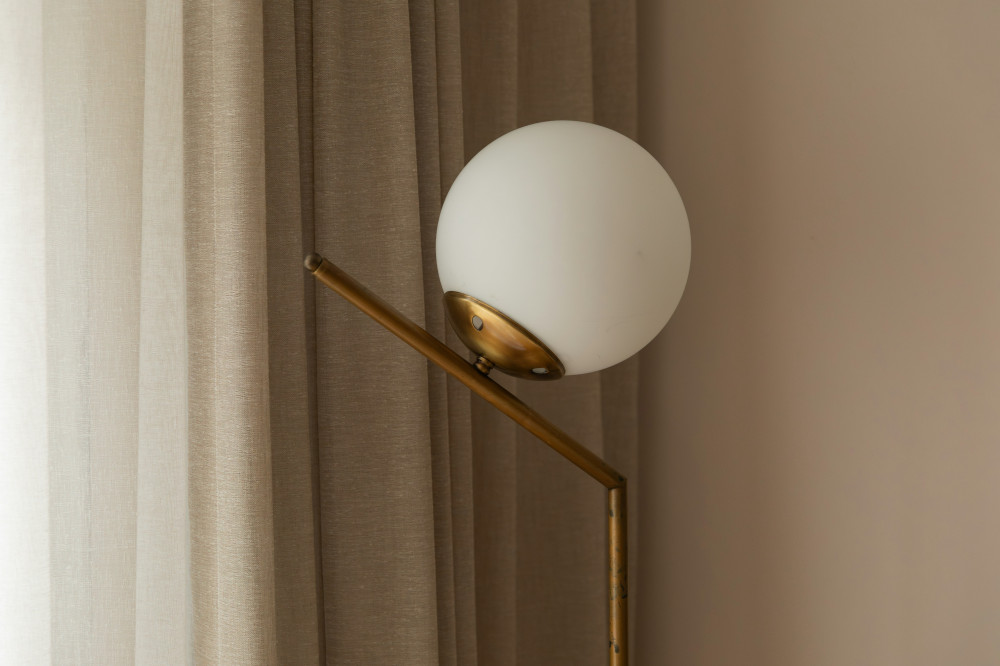
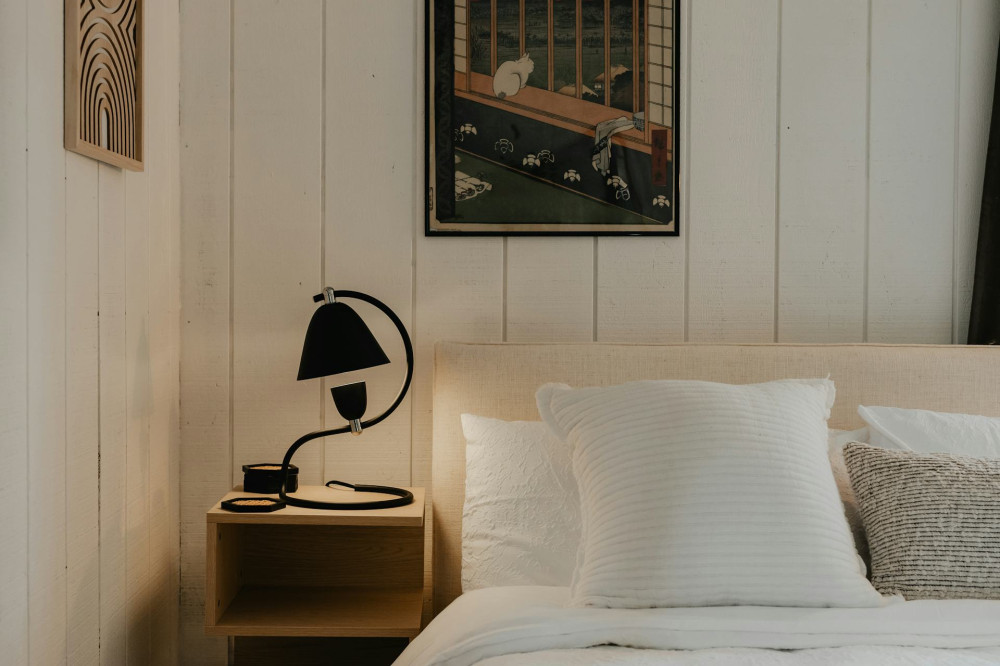
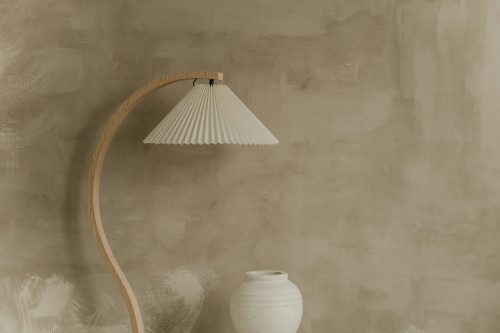
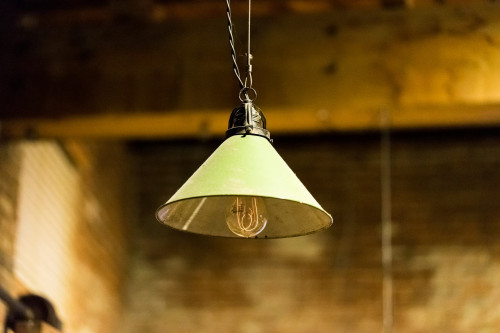
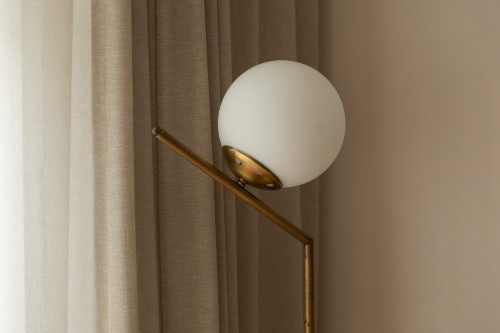
Gone are the days when lighting was chosen solely for its brightness. Today, it’s an integral part of interior design and architectural expression. American designers are embracing lighting as both a functional necessity and a creative statement. From sculptural pendant lamps made of recycled metals to minimalist fixtures crafted from natural materials, lighting now shapes the character of a room as much as furniture or art.
The line between lighting and décor is blurring. Many modern fixtures double as art pieces, reflecting a growing desire for homes that feel personal, intentional, and inspiring. Whether it’s a handcrafted lamp from a local artisan or a sleek, modular system that adapts to different spaces, lighting has become a key element of self-expression.
Læs også:
Functionality and Flexibility
Smart lighting technology has transformed how we interact with light. With voice control, mobile apps, and automation, homeowners can now adjust brightness, color temperature, and timing to match their daily rhythms. A cool, energizing light for a morning meeting can shift to a warm, relaxing glow for dinner—all with a simple command.
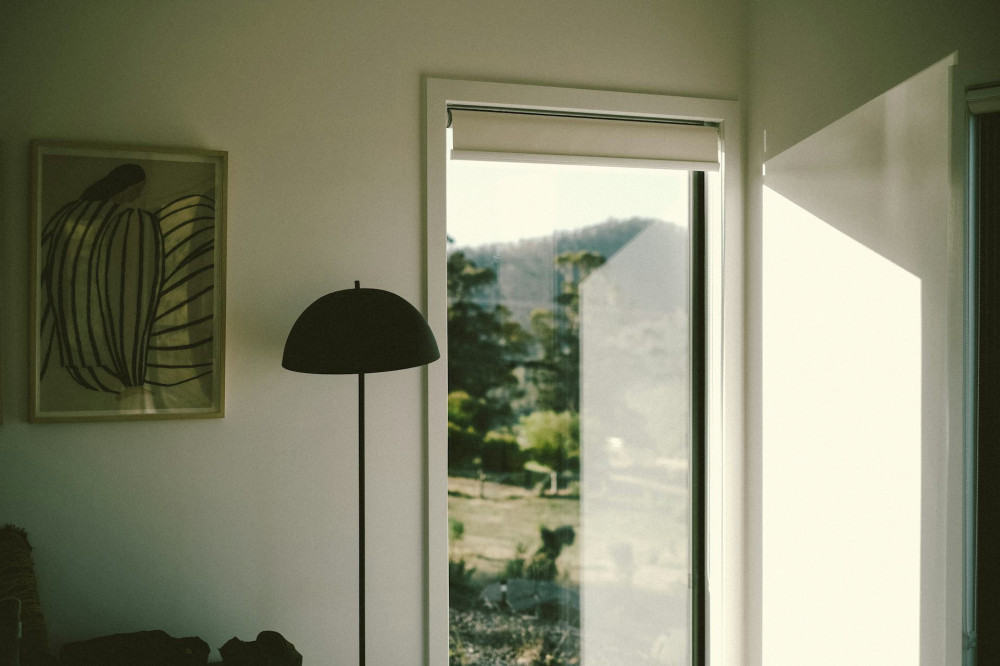
Motion and daylight sensors are also becoming standard in both residential and commercial spaces. These systems automatically adapt to natural light levels and occupancy, improving comfort while reducing energy waste. The result is lighting that feels intuitive, efficient, and perfectly attuned to modern life.
Sustainability at the Core
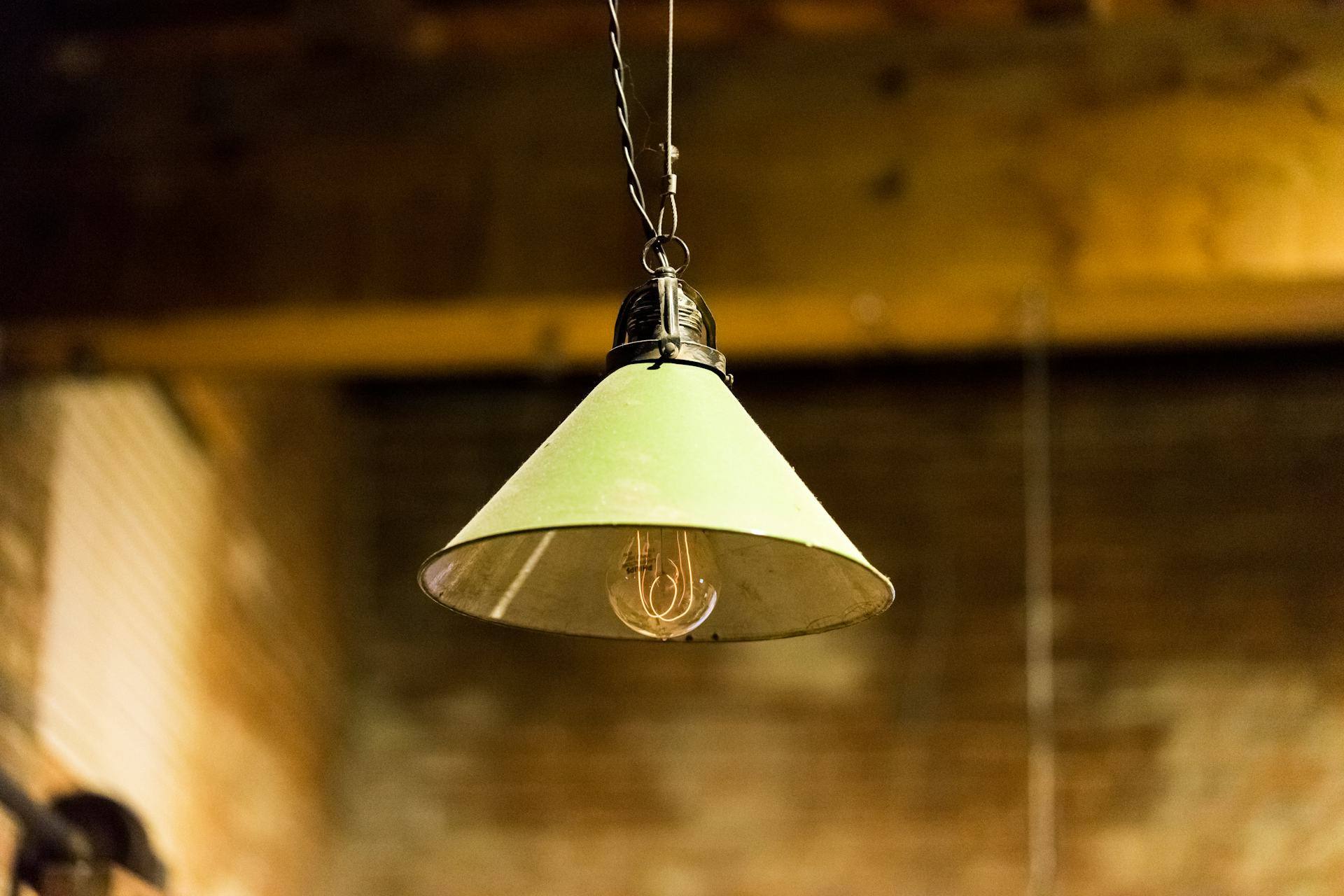
Sustainability is no longer optional—it’s essential. LED technology has already revolutionized energy efficiency, but the next frontier is circular design. Manufacturers are focusing on fixtures made from recyclable materials, modular components, and long-lasting parts that can be repaired or upgraded instead of replaced.
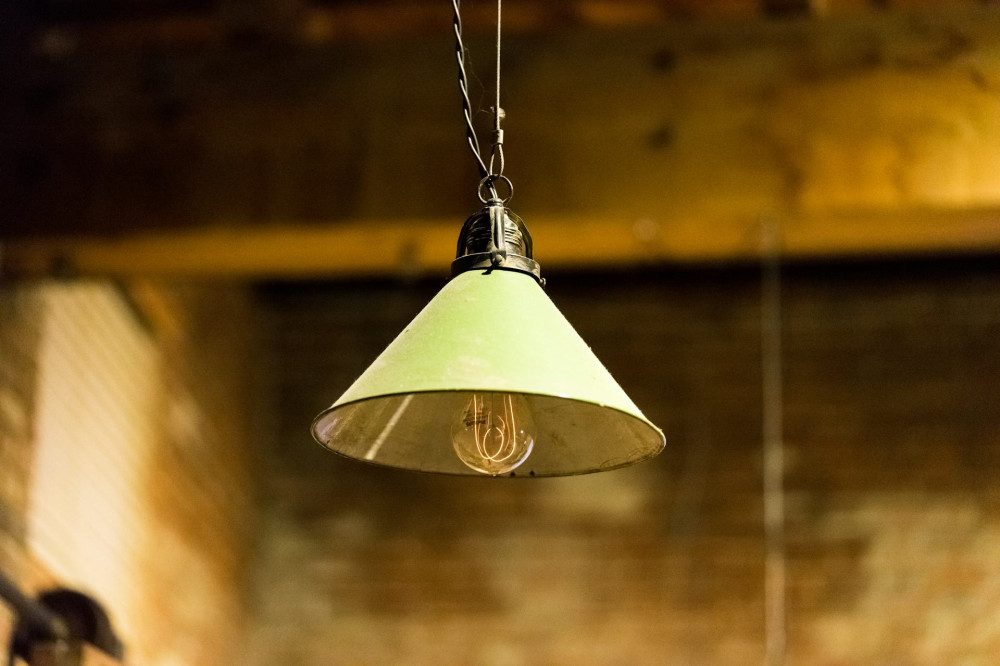
In the U.S., there’s growing interest in locally produced lighting that supports domestic craftsmanship and reduces transportation emissions. Materials like reclaimed wood, recycled glass, and bio-based plastics are gaining traction, reflecting a broader shift toward responsible consumption. Lighting is becoming part of a circular economy—where design and durability go hand in hand with environmental stewardship.
Light and Human Well-Being
Science continues to reveal how deeply light affects our health, mood, and productivity. The concept of human-centric lighting—illumination that mimics the natural progression of daylight—is gaining momentum in homes, offices, and schools across the country. By adjusting color temperature and intensity throughout the day, these systems help regulate our circadian rhythms, supporting better sleep, focus, and overall well-being.
In American homes, this means lighting is not just about aesthetics—it’s about creating environments that nurture both body and mind. The right light can energize a morning routine, enhance concentration during work hours, and promote relaxation in the evening.
A New Era of Illumination
The lighting of the future is intelligent, beautiful, and sustainable. It combines cutting-edge technology with thoughtful design and a deep respect for the planet. When we switch on a light today, we’re not just illuminating a room—we’re making a statement about how we want to live.
This new approach to lighting goes beyond watts and lumens. It’s about quality of life, environmental consciousness, and the art of living well. The future of light is bright—not just in brilliance, but in purpose.
Læs også: