Mirrors and Light: How to Make Small Rooms Feel Bigger

Mirrors and Light: How to Make Small Rooms Feel Bigger
Small rooms can easily feel cramped and dark, but with the right approach, you can create a sense of openness and airiness—without knocking down a single wall. Mirrors and light are two of the most powerful tools for transforming a compact space. Here’s how to use them strategically to make your home feel larger and brighter.
Mirrors – Your Room’s Best Friend
A mirror is more than a place to check your reflection—it’s a design element that can double the perceived size of a room by reflecting both light and surroundings.
- Place mirrors across from windows – this bounces natural light around the room and makes it feel brighter.
- Go big – the larger the mirror, the greater the impact. A full-length mirror leaning against a wall can add impressive depth.
- Try a gallery of smaller mirrors – mixing shapes and frames can create an artistic focal point while enhancing light and dimension.
- Think about what’s reflected – position mirrors to capture a beautiful corner, a plant, or a lamp to create the illusion of more space.
A mirror with a distinctive frame can also serve as wall art, adding personality while amplifying light.
Light – The Key to Spaciousness
Lighting dramatically affects how we perceive space. A dim corner can make even a large room feel smaller, while a well-lit space feels open and inviting.
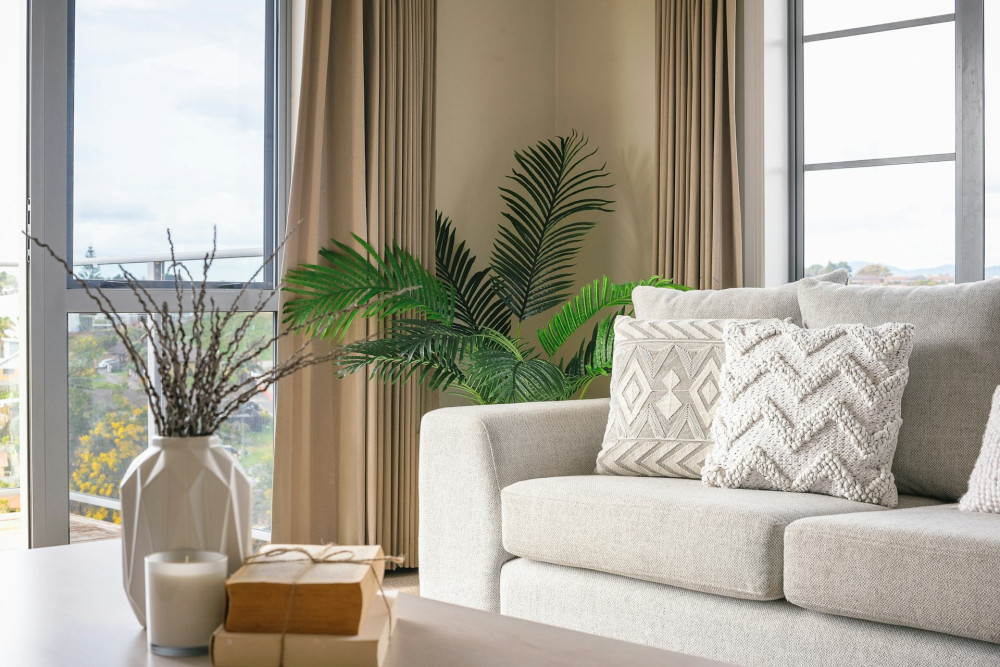
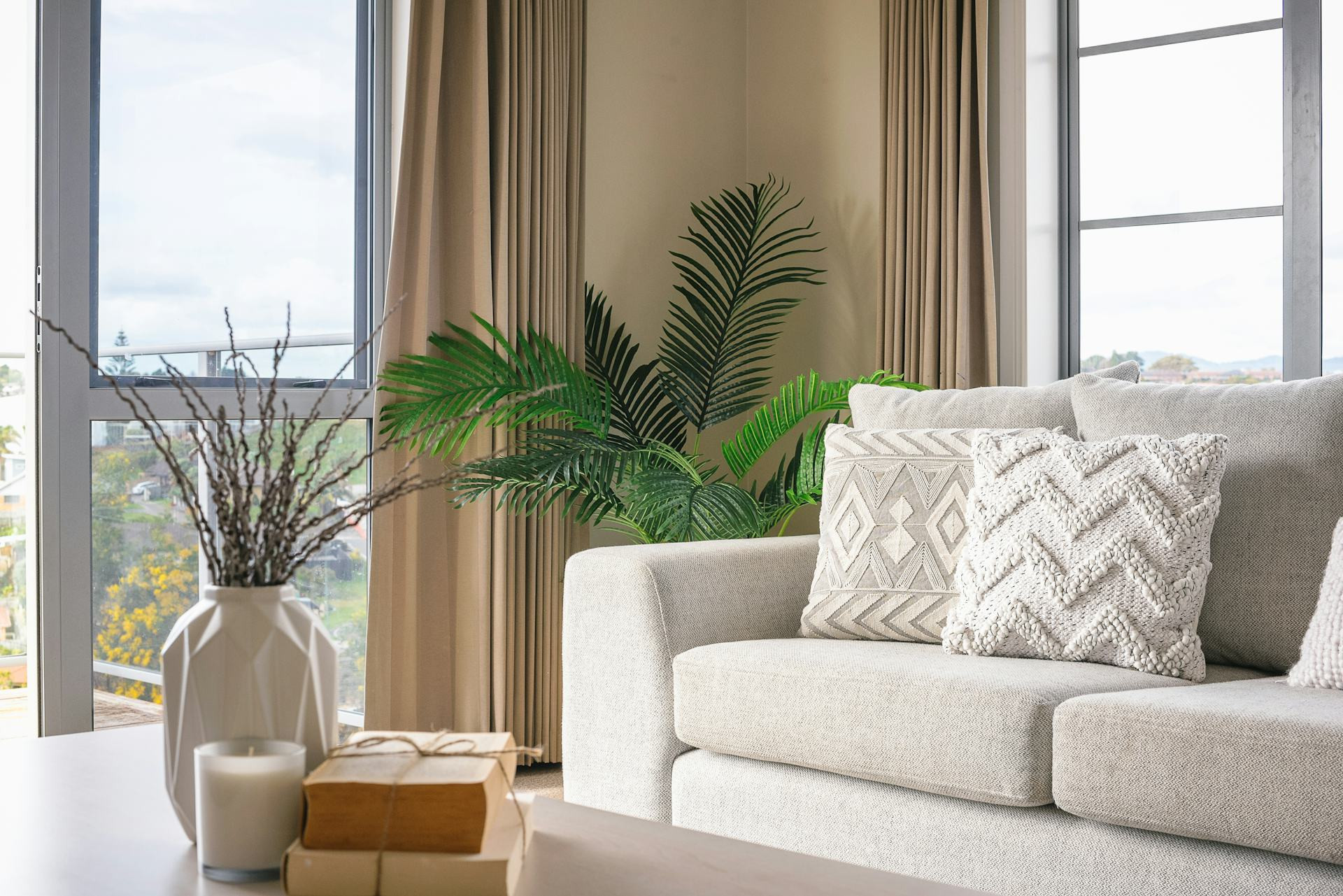
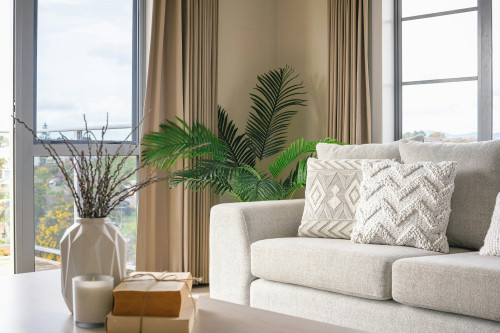
- Maximize natural light – keep windows free of heavy drapes and use sheer curtains that let sunlight filter through.
- Layer your lighting – combine overhead fixtures, floor lamps, and table lamps to create depth and flexibility.
- Choose warm, diffused light – harsh lighting can feel sterile, while soft light creates a cozy, welcoming atmosphere.
- Illuminate walls and ceilings – indirect lighting that bounces off surfaces makes a room appear taller and wider.
A simple trick: place a lamp near a mirror. The reflection doubles the light and adds a subtle glow that enhances the entire space.
Colors and Materials That Enhance the Effect
While mirrors and lighting do much of the work, color and material choices can strengthen the illusion of spaciousness. Light tones reflect light, while dark shades absorb it.
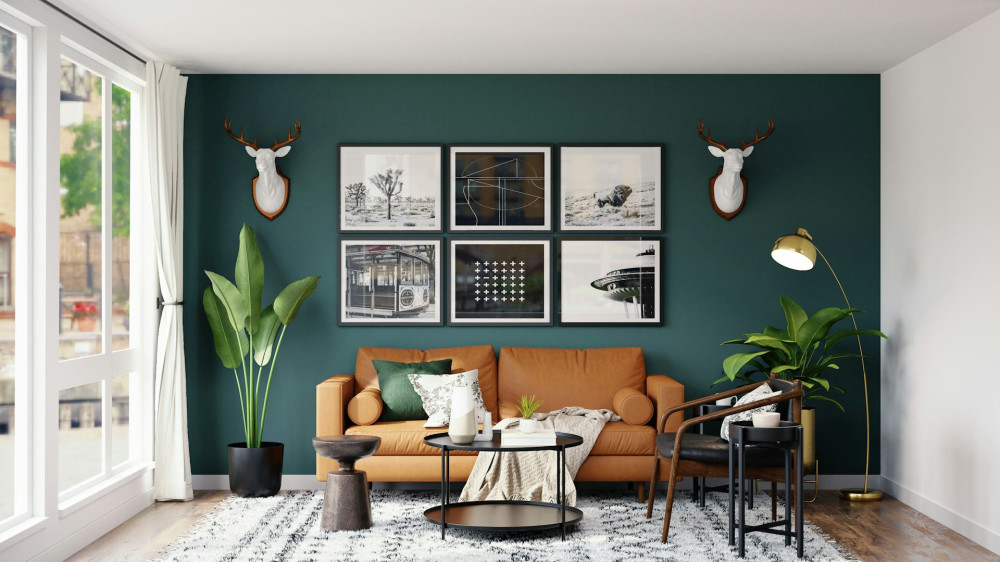
- Keep walls and ceilings light – whites, creams, soft grays, and pastels create an airy feel.
- Incorporate glossy finishes – glass, metal, and semi-gloss paint reflect light and add vibrancy.
- Mix textures – combining matte and shiny surfaces adds depth without heaviness.
If you love color, paint one accent wall in a slightly darker shade to create perspective—it can make the room feel longer.
Læs også:
Thoughtful Furniture Placement
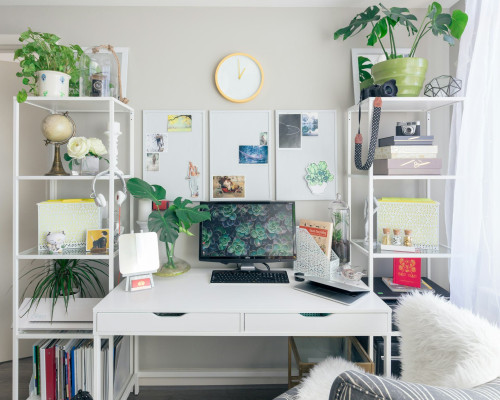
Furniture size and arrangement have a huge impact on how large a room feels. Overcrowding makes a space seem smaller, while open areas around furniture create calm and flow.
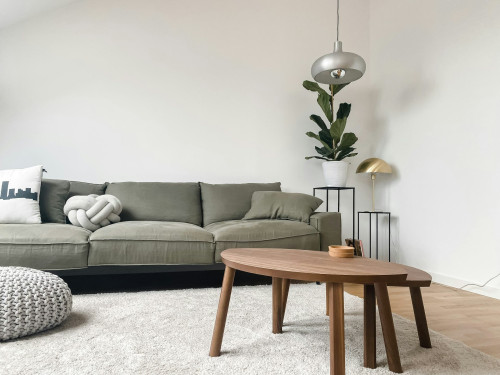
- Choose appropriately scaled pieces – opt for furniture with slim legs and open frames to maintain visual lightness.
- Use transparent materials – glass coffee tables or acrylic chairs take up less visual space.
- Keep the floor visible – wall-mounted shelves and sconces free up floor area and make the room feel less cluttered.
- Stay organized – clutter shrinks a room, so smart storage solutions are essential.
Minimalism doesn’t mean boring—fewer, well-chosen pieces can make a room feel balanced and harmonious.
Creating Atmosphere with Light and Reflection
When you combine mirrors and lighting intentionally, you can achieve both function and mood. A mirror that catches morning sunlight and reflects the warm glow of candles at night brings life to a room around the clock.
Experiment with placement—move lamps, adjust angles, and observe how the space transforms. Small changes can make a big difference.
A Bigger Room – Without Remodeling
Making a small room feel larger isn’t about square footage—it’s about perception. With mirrors, light, and thoughtful design choices, you can create a home that feels open, balanced, and inviting—no renovation required.
Læs også: