Start Your Sustainable Home Décor Journey with Simple Steps

Start Your Sustainable Home Décor Journey with Simple Steps
Sustainable home décor isn’t just about buying new eco-friendly furniture. It’s equally about rethinking how you use, maintain, and repurpose what you already own. Many people assume that decorating sustainably requires big investments, but in reality, small everyday choices can make a meaningful difference—for the planet and your wallet. Here’s how you can start your sustainable home décor journey with simple, practical steps.
Begin with What You Already Have
The most sustainable piece of furniture is the one you don’t buy. Start by taking a fresh look at your home. Could that old dresser be revived with a coat of paint? Could a worn-out chair be reupholstered instead of replaced? Repairing, repainting, and reusing what you already own extends the life of your belongings and reduces unnecessary consumption.
Make an inventory of what you actually use and what’s just taking up space. Items you no longer need can be sold, donated, or swapped through local community groups or online marketplaces. This not only gives your items a second life but also helps declutter your home.
Choose Materials and Quality Wisely
When you do need to buy something new, prioritize quality over quantity. Solid wood furniture, natural fibers, and durable materials often last longer and can be repaired more easily. Avoid products made from mixed materials that are difficult to recycle.
Look for certifications such as FSC (responsibly sourced wood), GOTS (organic textiles), or Greenguard (low chemical emissions). These labels ensure that products meet environmental and health standards. Over time, these small choices add up to a big impact.
Give Secondhand a Chance
Thrift stores, estate sales, and online resale platforms like Facebook Marketplace or Craigslist are treasure troves for sustainable décor. Vintage and secondhand pieces often have better craftsmanship and unique character compared to mass-produced alternatives.
If you enjoy DIY projects, try upcycling—transforming old items into something new. An old door can become a dining table, or wooden crates can be turned into shelving. It takes creativity, but the result is a one-of-a-kind piece that’s both personal and planet-friendly.
Create a Healthy Indoor Environment
Sustainability also means caring for your own well-being. Choose paints, finishes, and textiles that are free from harmful chemicals and volatile organic compounds (VOCs). Good ventilation and natural light can make a big difference in how your home feels.
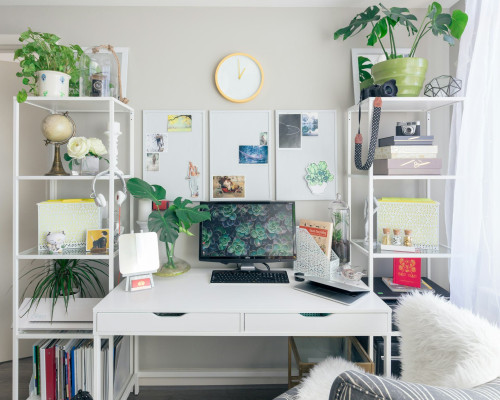
Houseplants are another simple way to improve indoor air quality while adding life and color to your space. Opt for natural materials like wool, linen, and cotton instead of synthetics—they’re more breathable, longer-lasting, and easier to recycle when worn out.
Think Energy and Lighting
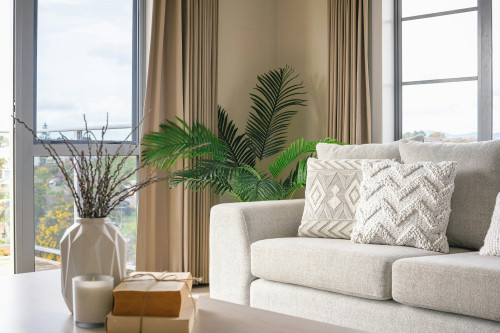
Lighting plays a major role in both ambiance and energy use. Switch to LED bulbs—they consume far less electricity and last much longer than traditional ones. Make the most of natural light by using sheer curtains and strategically placing mirrors to reflect sunlight.
If possible, invest in energy-efficient appliances and unplug electronics when not in use. These small habits save energy, lower your utility bills, and reduce your home’s carbon footprint.
Decorate with Intention, Not Excess
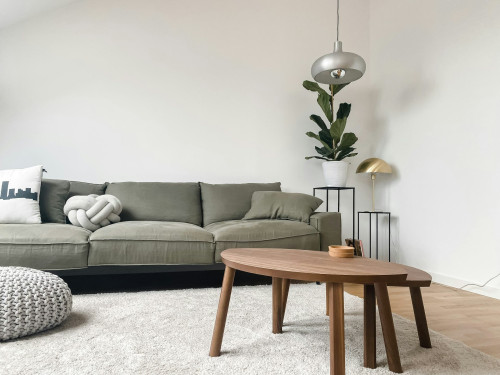
Sustainability and minimalism often go hand in hand. This doesn’t mean your home should feel empty—it means choosing items that truly matter to you. A room with fewer, well-chosen pieces often feels calmer and more harmonious.
Before buying something new, ask yourself: “Do I need this, or do I just want it?” That simple question can help you make more mindful decisions and create a home that reflects your values as well as your style.
Læs også:
A Journey, Not a Destination
Sustainable decorating isn’t about perfection—it’s an ongoing process of learning to think differently about consumption, materials, and aesthetics. Every small step counts, whether it’s buying secondhand, repairing something old, or switching to eco-friendly paint.
The key is to start. Once you take those first steps, it becomes easier to keep going—and you’ll find that sustainable home décor not only benefits the planet but also creates a home that feels more authentic, balanced, and full of life.
Læs også: