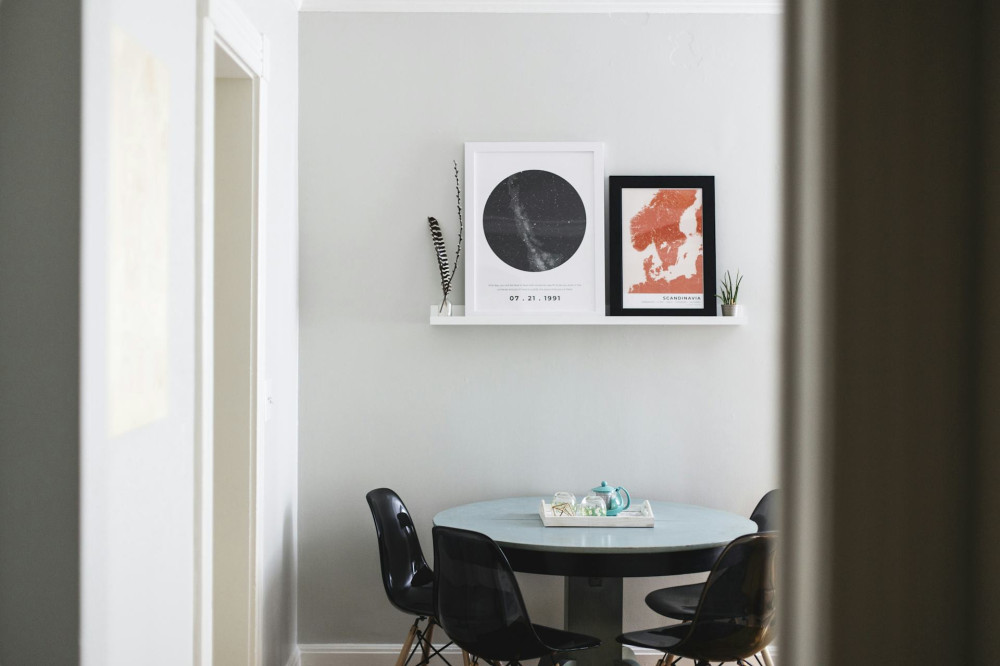
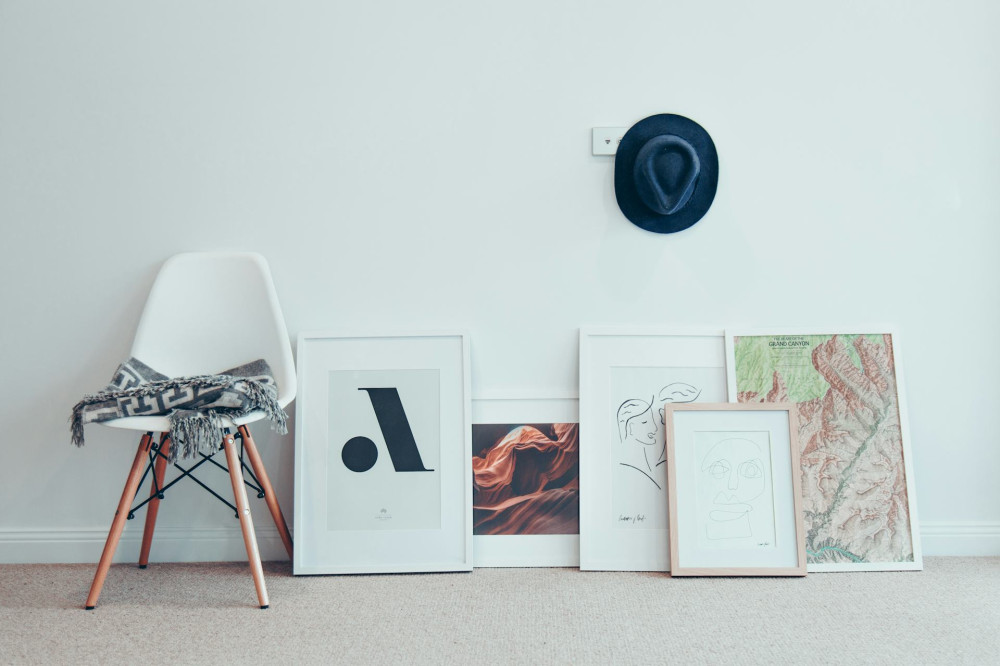
Art as Value – Not as Consumption

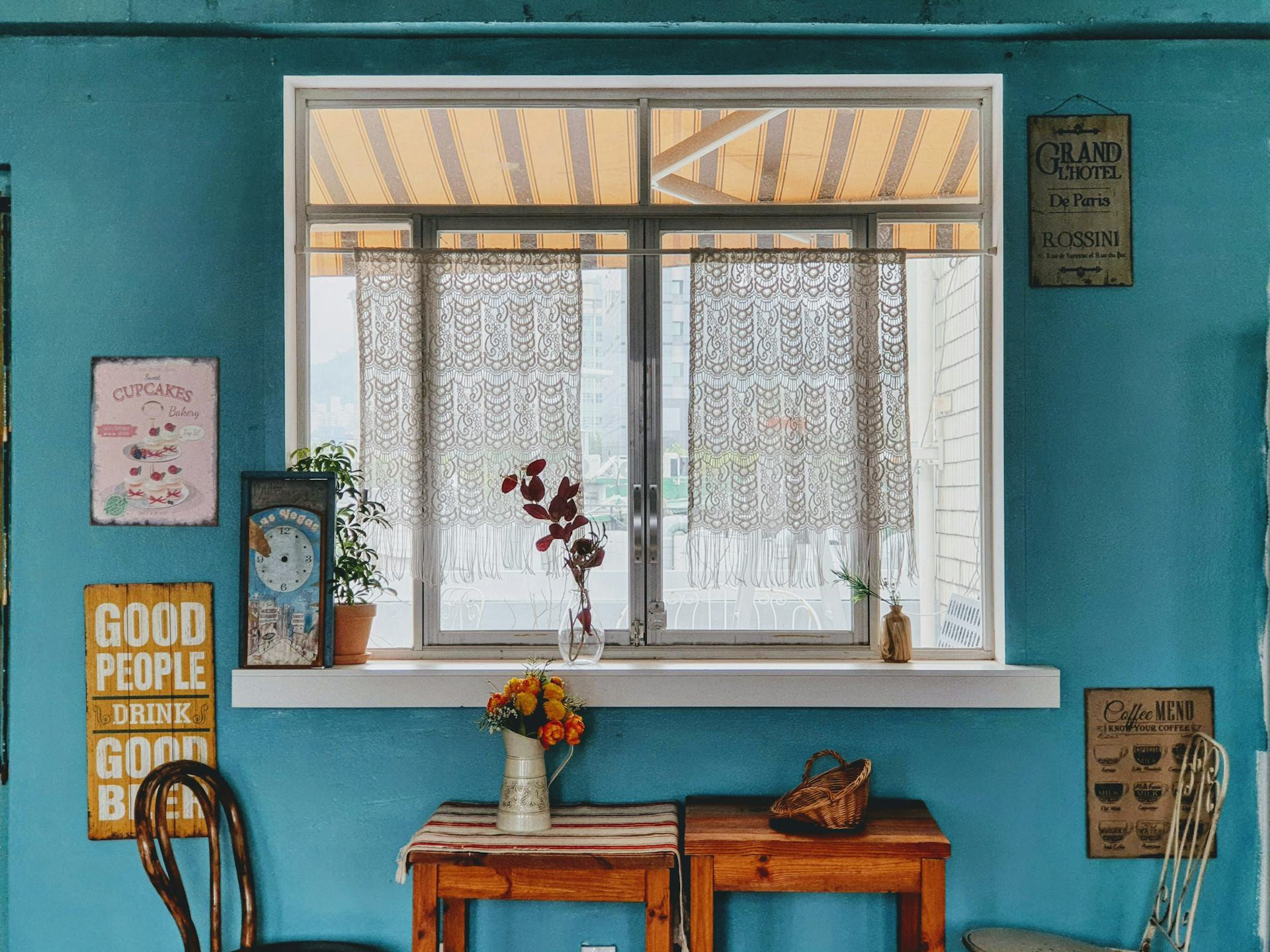
Art as Value – Not as Consumption
In a culture where everything can be bought and trends shift overnight, it’s easy to forget that art is not just another product. It’s an expression, a story, and a way of understanding the world. Yet, more and more, art is treated as a commodity—something to match the couch or fill an empty wall. But what happens when we begin to see art as value rather than consumption?
From Decoration to Dialogue
Many people buy art to decorate their homes. That’s understandable—a painting or sculpture can transform a space and give it personality. But the true power of art lies in its ability to start a conversation. It can stir emotions, challenge assumptions, and open doors to thoughts we might not otherwise explore.
When we choose art only because it “fits,” we risk losing that dimension. Art that unsettles or provokes can be just as valuable as art that soothes. It reminds us that aesthetics are not only about beauty, but about meaning.
Art as Reflection – Not as Status
In an age of social media and instant validation, art often becomes a status symbol. A famous name on the wall can signal taste, knowledge, and financial success. But when value is measured in price and prestige, art loses its human depth.
Owning art should not be about showing what you can afford, but about showing what moves you. A small piece by an unknown artist can hold far greater personal significance than an expensive gallery purchase. What matters is the relationship between the work and the viewer—not its market value.
The Personal Connection
When you acquire a piece of art that truly speaks to you, a special connection forms. Maybe it recalls a memory, a person, or a feeling you can’t quite name. That connection can last for years and evolve over time.
That’s why art should be chosen with the heart as much as with the eye. Ask yourself: What does this piece make me feel? What does it awaken in me? If the answer is genuine, it’s likely a work that will continue to hold value long after trends have changed.
Art in Everyday Life
Art doesn’t have to live only in museums or galleries. It can be part of daily life—in homes, workplaces, and public spaces. When we surround ourselves with art that means something to us, it becomes a quiet companion. It reminds us that there are other perspectives beyond our own, and that beauty and reflection can exist even in the midst of busyness.
Living with art, then, is not about consumption—it’s about presence. It’s about making room for what cannot be measured in dollars and cents.
Læs også:

An Investment in Meaning
When we see art as value, we invest not just in an object, but in an experience, a thought, and a feeling. It’s an investment in meaning—something that reaches beyond the material. And perhaps that’s exactly what we need most in a time when so much feels fleeting.
To choose art as value is to choose depth over display. It’s to allow ourselves to be moved, challenged, and inspired—and to let art remind us that not everything in life is meant to be consumed.
Læs også: