Create Rhythm in Your Gallery Wall – How to Guide the Eye Through the Room

Create Rhythm in Your Gallery Wall – How to Guide the Eye Through the Room
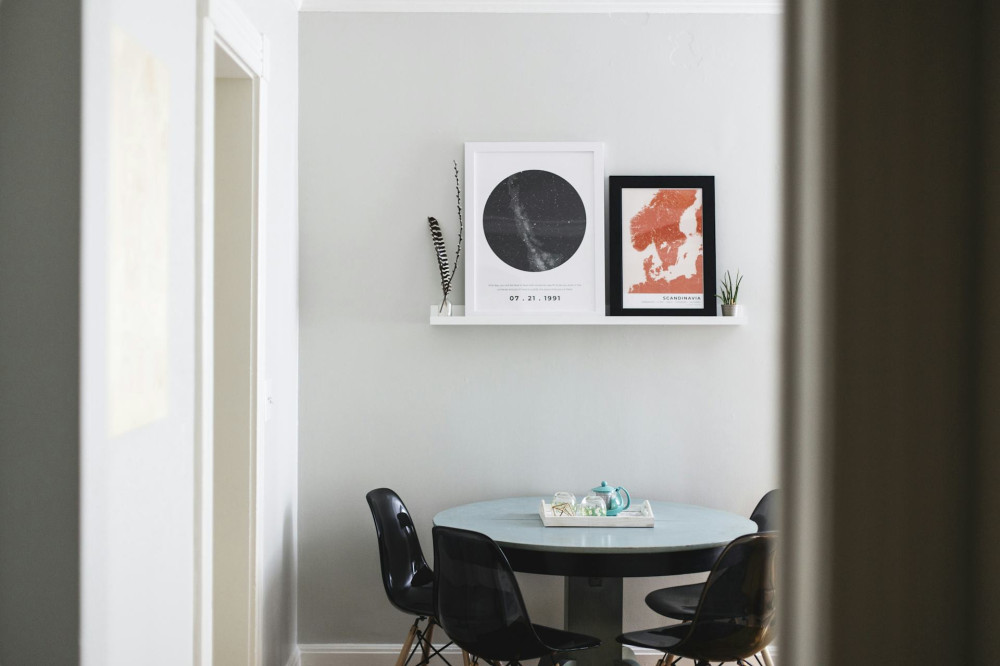
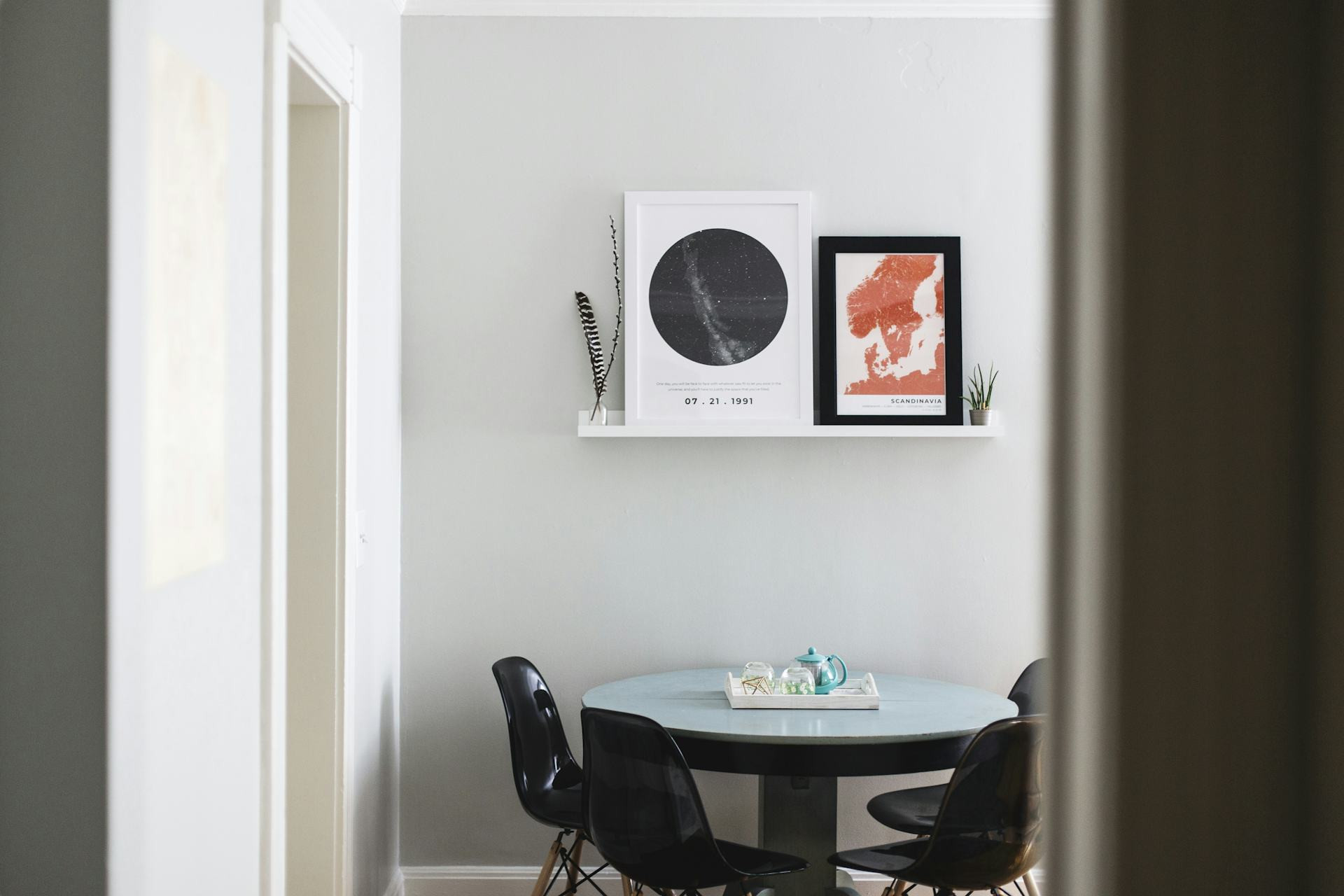
A gallery wall can be one of the most personal and expressive features in your home. It tells stories, reflects your taste, and brings life to your walls. But to keep it from looking like a random collection of frames, it takes some thought to create rhythm and balance. Rhythm in a gallery wall is about leading the eye naturally through the space—so the whole composition feels harmonious and every piece has its place. Here’s a guide to help you design a wall that both captivates and calms the viewer.
Start with a Vision – and a Focal Point
Before you pick up a hammer, take a moment to think about the mood you want to create. Do you prefer a calm, symmetrical layout or something more playful and dynamic? A clear focal point helps anchor the composition. It could be a larger piece in the center, a distinctive color, or a theme that ties everything together.
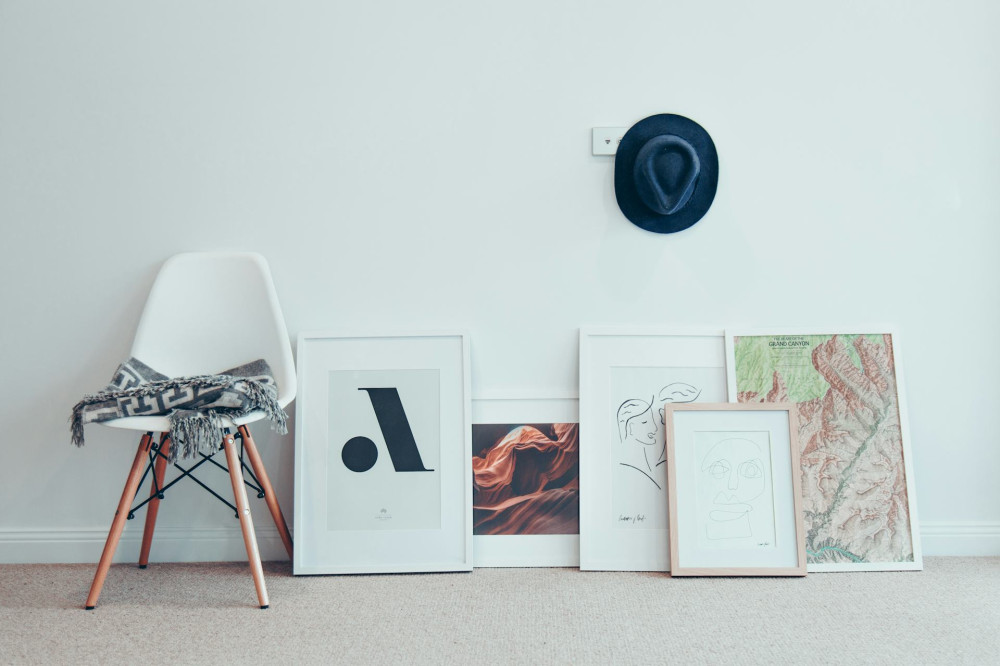
Lay your artwork out on the floor first to experiment with placement. This gives you a sense of rhythm and flow before you commit to nails in the wall.
Create Rhythm Through Repetition
Rhythm emerges when the eye recognizes patterns and repetition. You can achieve this through:
- Color – repeat a particular hue throughout the arrangement to create unity.
- Shape – use frames with similar materials or finishes to bring cohesion.
- Subject matter – let themes echo across the wall, such as landscapes, abstracts, or family portraits.
These repetitions act as visual anchors, guiding the eye from one piece to the next. Small variations, meanwhile, keep the wall lively and prevent it from feeling too uniform.
Læs også:

Play with Spacing and Lines
The spacing between frames has a big impact on rhythm. Hanging pieces too close can feel cluttered, while too much space can make the wall feel disconnected. A good rule of thumb is about 1–2 inches between frames, but adjust based on the size of your artwork and the wall’s proportions.
Think about lines as well. You might align the tops of the frames, create a central axis, or arrange them in a more organic pattern. A clear line brings calm, while a looser layout adds movement. The key is to let the eye travel naturally through the composition.
Balance Large and Small Pieces
A successful gallery wall mixes sizes. The larger pieces act as the strong beats in your rhythm—they provide structure and weight. Smaller pieces fill in the spaces, adding lightness and variation. Start by placing the largest items first, then build around them with smaller works.
If you have many small pieces, group them together so they form a visual unit. This keeps the rhythm cohesive rather than scattered.
Let Color Set the Tone
Color is one of the most powerful tools for creating rhythm. A wall with too many unrelated colors can feel chaotic, but a consistent palette ties everything together. Choose two or three main colors that repeat across your artwork, frames, or mats.
For a calm, sophisticated look, stick to muted tones and similar frame styles. If you want more energy and movement, use contrast and bold colors to give the rhythm a stronger pulse.
Make the Wall Part of the Room
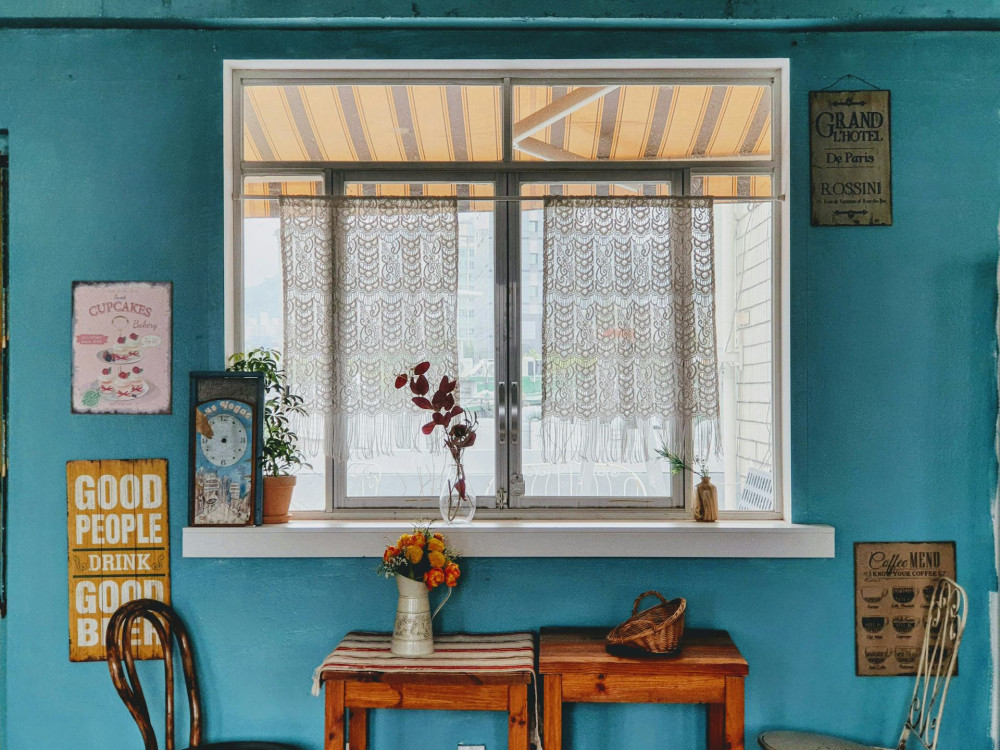
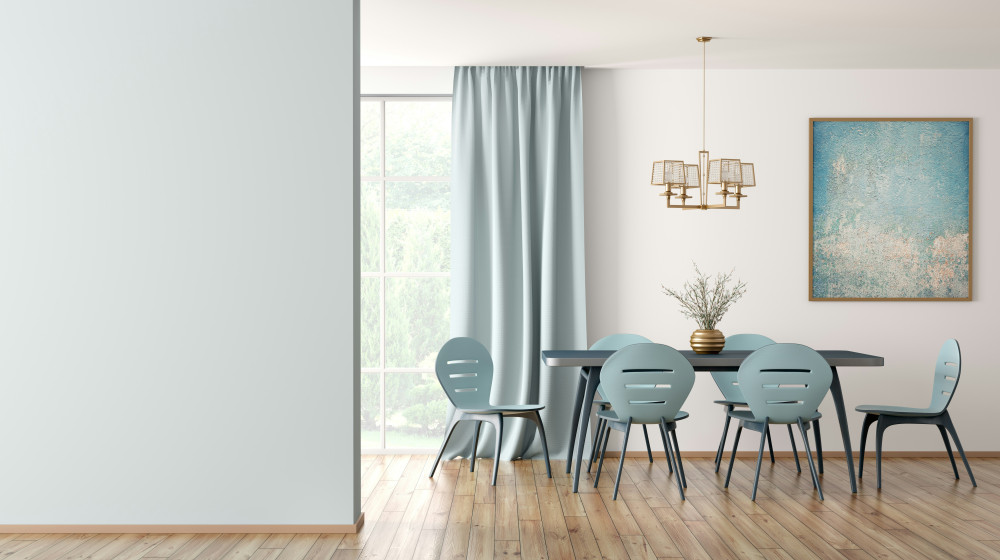
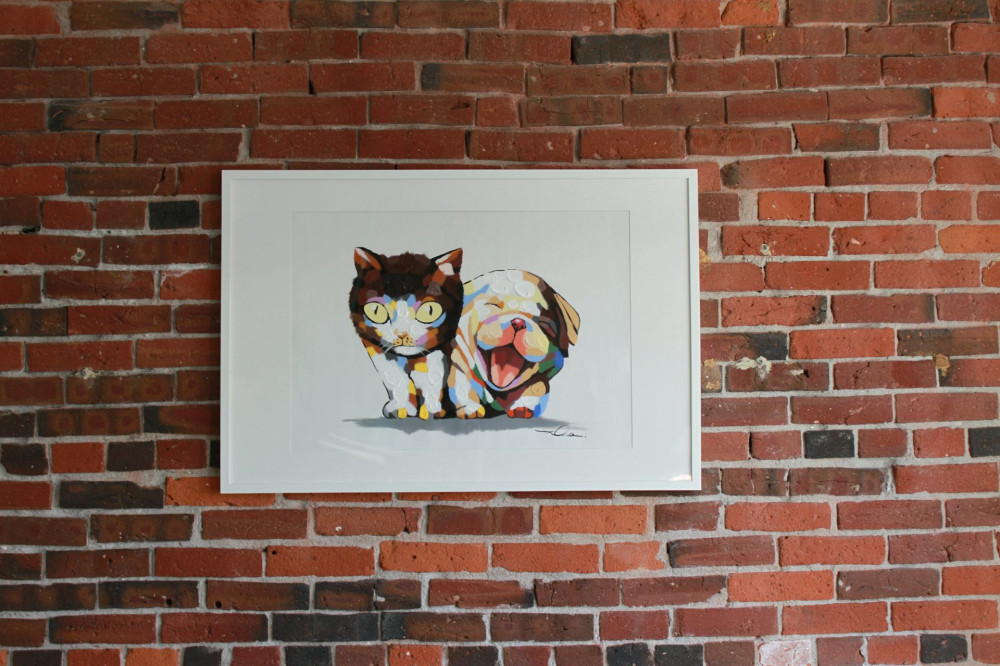
The rhythm of your gallery wall doesn’t exist in isolation—it interacts with the room around it. The wall color, furniture, and lighting all play a role. A dark wall can make light frames pop, while a pale wall allows colorful art to shine.
Consider how the wall relates to the rest of the space. Above a sofa, the arrangement might follow the width of the furniture. In a hallway, a horizontal rhythm can draw the eye forward. Think of the wall as part of the room’s overall flow.
Leave Room for Personality
While rhythm and balance matter, perfection isn’t the goal. Often, it’s the small imperfections that make a gallery wall feel alive. A slightly off-center frame or an unexpected pop of color can add character and tell your story.
Mix art prints, photographs, posters, and even small objects. This variety adds depth and makes the wall uniquely yours. The rhythm doesn’t have to be mathematical—it should feel natural.
Adjust and Live with It
A gallery wall rarely feels finished on the first try. Once everything is up, live with it for a few days. You might notice that one piece needs to move or that the wall could use another element for balance. Rhythm evolves—just like your home.
Over time, swap out pieces, add new finds, or rearrange the layout. That’s the beauty of a gallery wall: it grows with you, staying vibrant and in tune with your life.
Læs også: