Design Against Burglary – Build Security In from the Start

Design Against Burglary – Build Security In from the Start
When building a new home or remodeling an existing one, design is about more than looks. It’s about comfort, functionality – and safety. Burglary prevention often becomes a concern only after a break-in has occurred, but many incidents can be avoided if security is considered from the very beginning. Here’s how to create a home that’s both beautiful and secure.
Security as Part of the Architecture
A secure home starts with thoughtful planning. When architects and homeowners sketch the first outlines, it’s the perfect time to think about how the building’s layout, placement, and materials can help deter intruders.
- Visibility and layout – Avoid blind spots and hidden corners where a burglar could work unnoticed. Keep shrubs and trees trimmed near windows and doors, and design open, well-lit spaces that make it difficult for anyone to approach unseen.
- Lighting – Integrate outdoor lighting into the design. Motion-activated lights near entrances, driveways, and walkways not only improve safety but also discourage unwanted visitors.
- Entrances and access routes – Plan clear, well-defined paths to the main entrance. A visible front door and organized access points signal control and make suspicious activity easier to spot.
When security is built into the design, it becomes a natural part of the home’s character rather than an afterthought.
Windows and Doors – The Weak Points
Most break-ins happen through doors and windows, so this is where strong design choices make the biggest difference.
- High-quality doors and locks – Choose solid doors with reinforced frames and multi-point locking systems. Look for products tested to meet U.S. security standards such as ANSI/BHMA or UL ratings.
- Impact-resistant windows – Laminated or tempered glass makes forced entry much harder. Combine with interior window locks or security film for added protection.
- Sliding doors and basement windows – These are common entry points for burglars. Consider additional locks, security bars, or sensors to strengthen them.
While these upgrades may seem costly, modern security products come in designs that complement both traditional and contemporary architecture.
Technology as a Design Element
Smart home technology allows you to integrate security seamlessly into your home’s design.
- Smart locks let you control access from your phone and track who enters and leaves.
- Cameras and sensors can be built into light fixtures, door frames, or mailboxes, keeping them discreet and unobtrusive.
- Automated lighting systems can simulate occupancy when you’re away – a simple but effective deterrent.
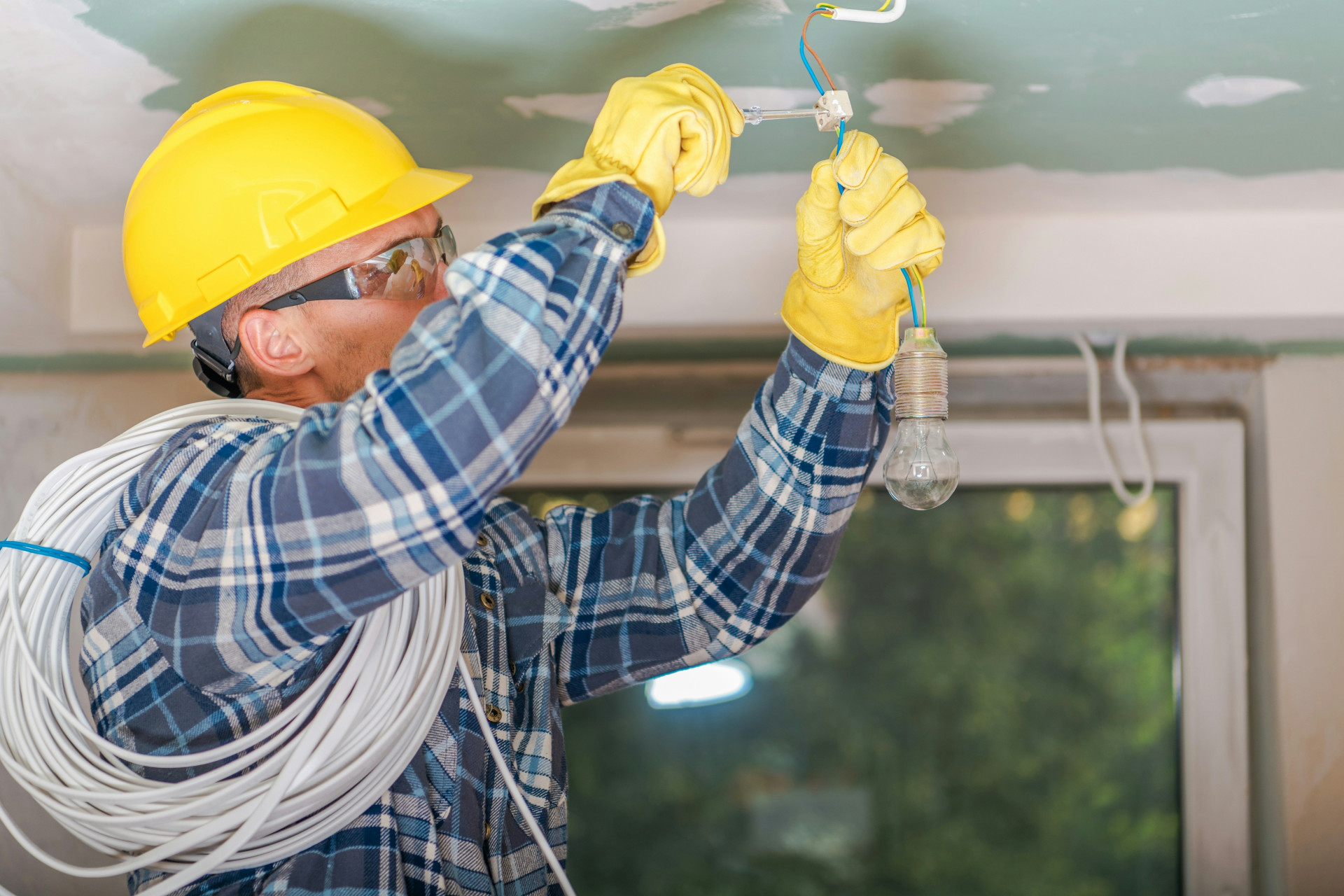
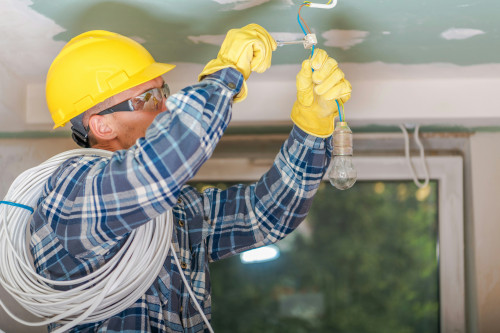
By planning for technology during construction, you can hide wiring and avoid bulky add-ons later.
Læs også:

Materials, Fencing, and Landscaping
Security also depends on the surroundings. A well-designed yard, fence, or gate can define the boundary between public and private space without feeling closed off.
- Fences and gates should be sturdy but not so tall that they provide cover for intruders.
- Paths and driveways can be designed to guide visitors naturally toward the main entrance.
- Durable materials like steel, composite, or treated hardwood offer both longevity and a refined look.
Combining aesthetics with function creates an outdoor environment that feels welcoming yet secure.
Community and Neighborhood Safety
A safe home is also about the community around it. Neighborhood watch programs and local communication networks have proven effective in reducing crime. When neighbors know each other and stay alert, burglary rates drop significantly.
Design shared spaces – such as sidewalks, mail areas, or small parks – that encourage interaction. A lively, connected neighborhood naturally discourages criminal activity.
Think of Security as an Investment
Building security into your home from the start isn’t just about preventing break-ins – it’s an investment in peace of mind, property value, and everyday comfort. A home that feels safe enhances your quality of life and can be a strong selling point in the future.
Security doesn’t have to be visible to be effective. When it’s integrated into the design, it becomes part of the home’s identity – elegant, functional, and reassuring all at once.
Læs også: