Facade Renovation: Enhanced Appearance and Long-Lasting Durability in One

Facade Renovation: Enhanced Appearance and Long-Lasting Durability in One
A building’s facade is more than just its face—it’s the first line of defense against wind, rain, heat, and cold, and it defines the entire character of the property. Over time, even the most durable exterior materials begin to show wear. Cracks, peeling paint, or discoloration can quickly turn into more serious structural issues. That’s why facade renovation isn’t just about looks—it’s about protection, efficiency, and long-term value.
Here’s an overview of why facade renovation is a smart investment, what the process involves, and what to consider if you’re thinking about giving your home a fresh new look.
Why Renovate the Facade?
There are several reasons to renovate your building’s exterior—and most of them go hand in hand.
- Preventing damage: Cracks and moisture infiltration can lead to mold, rot, or even structural deterioration if left untreated.
- Energy efficiency: A properly sealed and insulated facade reduces heat loss in winter and keeps interiors cooler in summer, lowering energy bills.
- Curb appeal and property value: A refreshed exterior instantly enhances your home’s appearance and can significantly increase resale value.
- Ease of maintenance: A renovated facade is easier to keep clean and resilient against future wear and tear.
In short, a well-executed facade renovation is both a practical and financially sound decision.
Signs Your Facade Needs Attention
It’s not always easy to know when it’s time for a renovation, but there are some clear warning signs to look for:
- Cracks in brick, stucco, or siding
- Peeling or blistering paint
- Stains, mildew, or algae growth
- Damp spots, especially near the foundation or around windows
- Loose mortar or deteriorating joints
The earlier you address these issues, the easier—and less expensive—they are to fix.
The Facade Renovation Process
The exact process depends on your building’s materials and condition, but most projects follow a similar sequence:
- Inspection and assessment: A professional evaluates the facade to identify damage and underlying causes.
- Cleaning: The surface is cleaned of dirt, mold, and loose material—often using pressure washing or gentle sandblasting.
- Repair: Cracks, damaged joints, or deteriorated sections are repaired or replaced.
- Surface treatment: The facade is refinished—painted, sealed, or coated—with breathable, weather-resistant materials.
- Final inspection and maintenance plan: The work is reviewed, and recommendations are made for ongoing care.
A qualified contractor can guide you toward the best materials and methods for your specific home and climate.
Choosing the Right Materials
Material selection plays a major role in both appearance and durability.
- Brick: Classic and sturdy, but requires periodic repointing and sealing.
- Stucco: Offers a smooth, uniform look and can be tinted in many colors.
- Wood siding: Warm and natural, but needs regular staining or painting.
- Fiber cement or composite panels: Modern, low-maintenance options that perform well in diverse U.S. climates.
The key is to choose materials that complement your home’s architecture and withstand local weather conditions—from humid coastal air to dry desert heat or freezing winters.
Energy Upgrades as Part of the Project
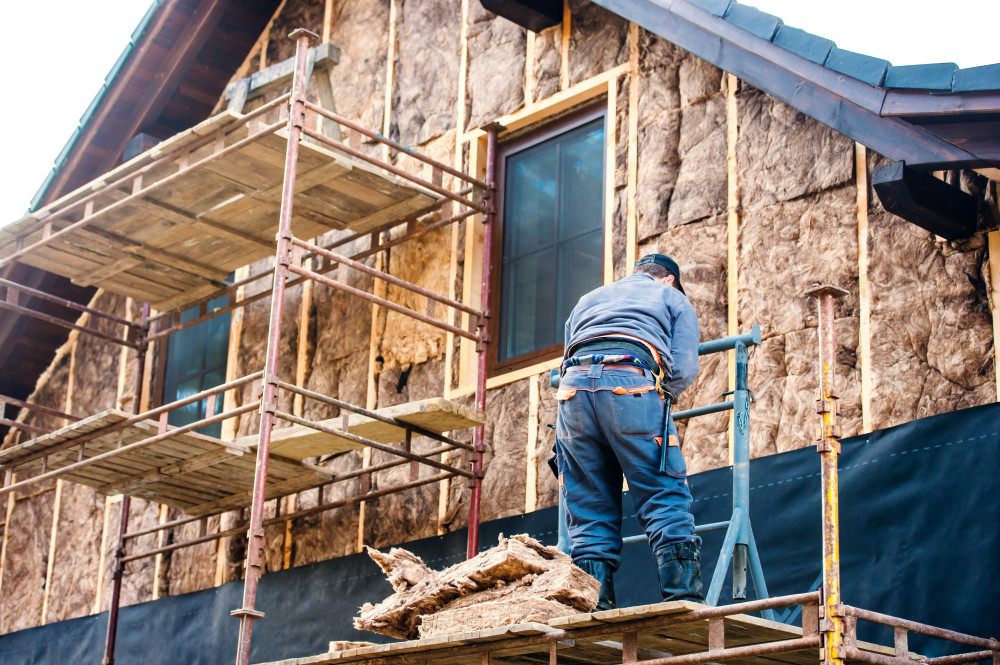
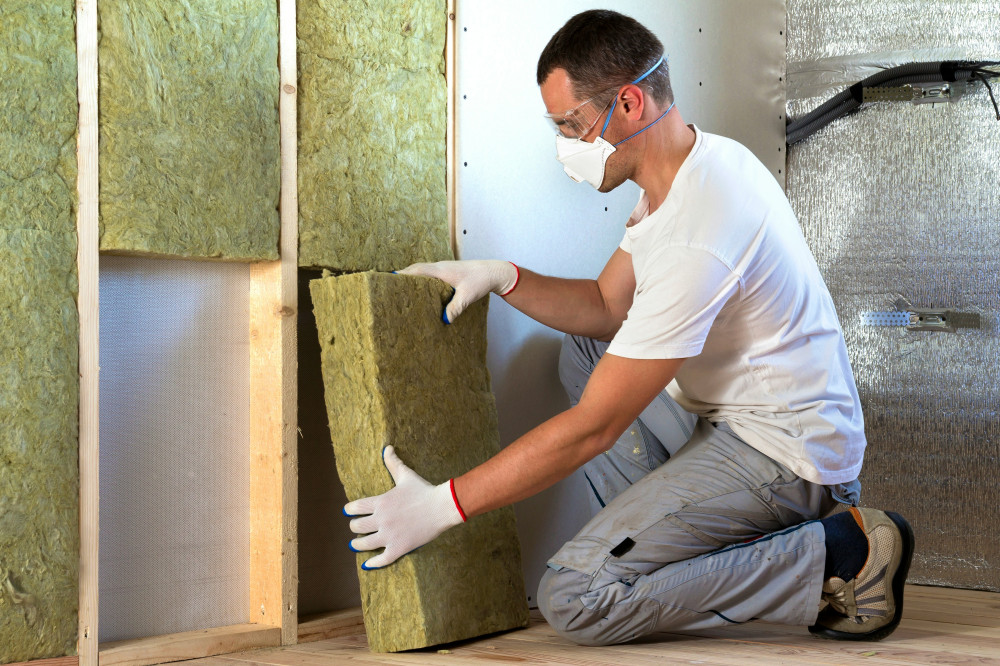
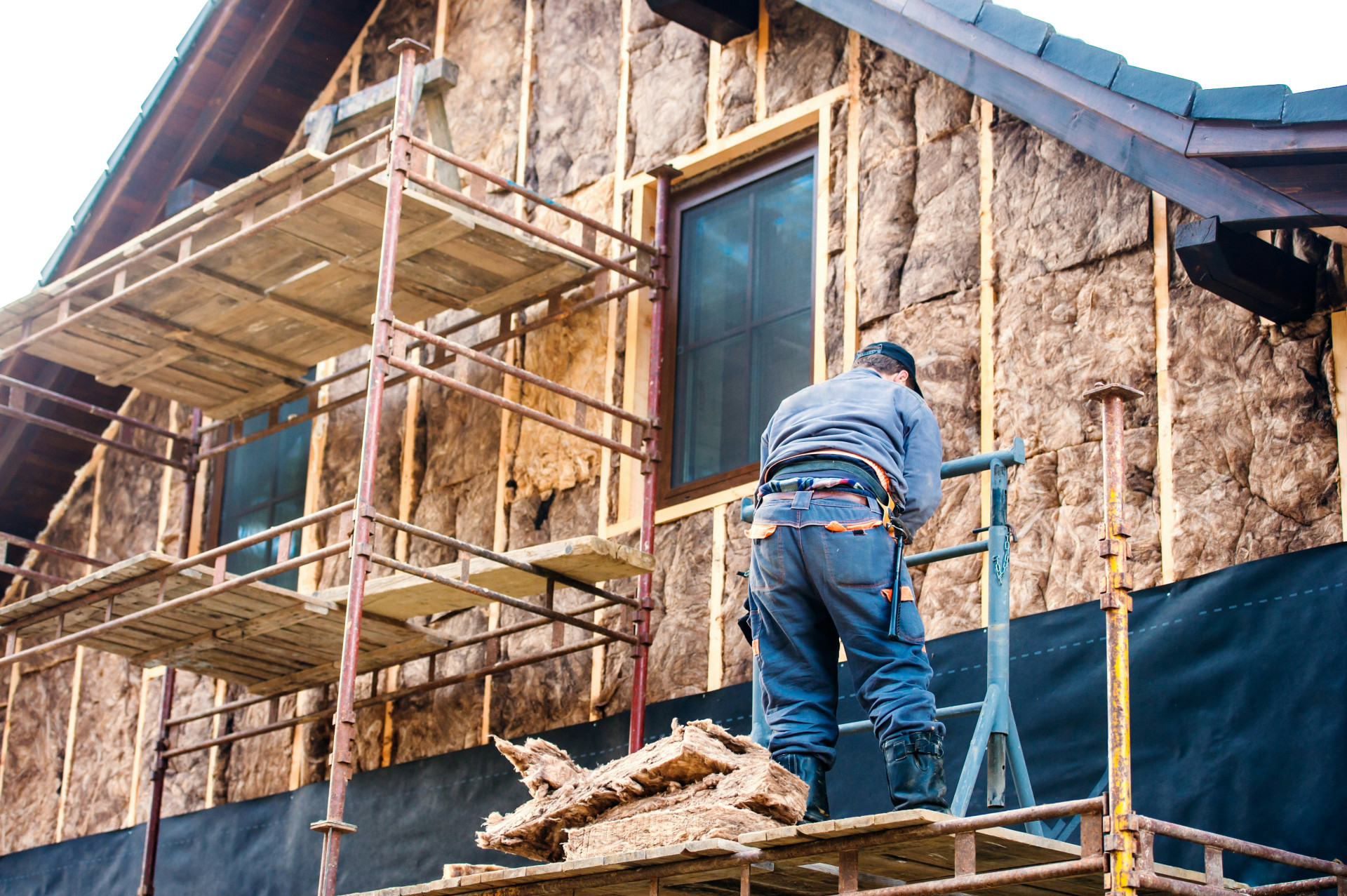
A facade renovation is the perfect opportunity to improve your home’s energy performance. Adding exterior insulation, upgrading windows, or sealing air leaks can dramatically reduce energy consumption. While these improvements may increase upfront costs, they often pay off through lower utility bills and improved indoor comfort.
Maintaining Your Renovated Facade
A facade renovation isn’t a one-time fix—it’s the start of a maintenance routine that keeps your home in top shape. To preserve the results:
- Inspect the exterior annually for cracks or moisture.
- Clean surfaces as needed to remove dirt and biological growth.
- Repaint or reseal according to manufacturer recommendations.
- Keep gutters and downspouts clear to direct water away from walls.
Consistent upkeep can extend your facade’s lifespan for decades.
Læs også:

A Smart Investment in Beauty and Protection
A well-renovated facade doesn’t just make your home look better—it strengthens it against the elements and time. It’s an investment that blends aesthetics, performance, and long-term value.
Whether you live in a historic brick townhouse or a modern suburban home, updating your facade can breathe new life into your property—and make it a place you’re proud to come home to every day.
Læs også: