The Building Envelope’s Airtightness and Its Impact on Energy Consumption

The Building Envelope’s Airtightness and Its Impact on Energy Consumption
When people talk about energy-efficient buildings, the focus often falls on insulation, windows, and heating or cooling systems. Yet one of the most critical—and sometimes overlooked—factors is the airtightness of the building envelope. Even the best insulation and HVAC equipment cannot perform optimally if the building leaks air through cracks and gaps.
What Is the Building Envelope?
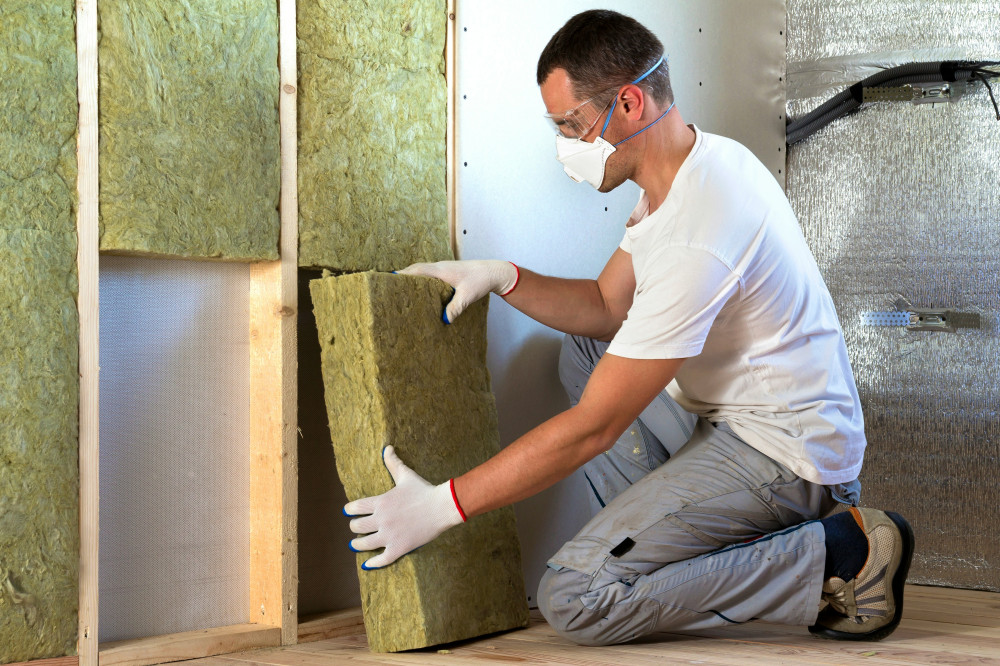
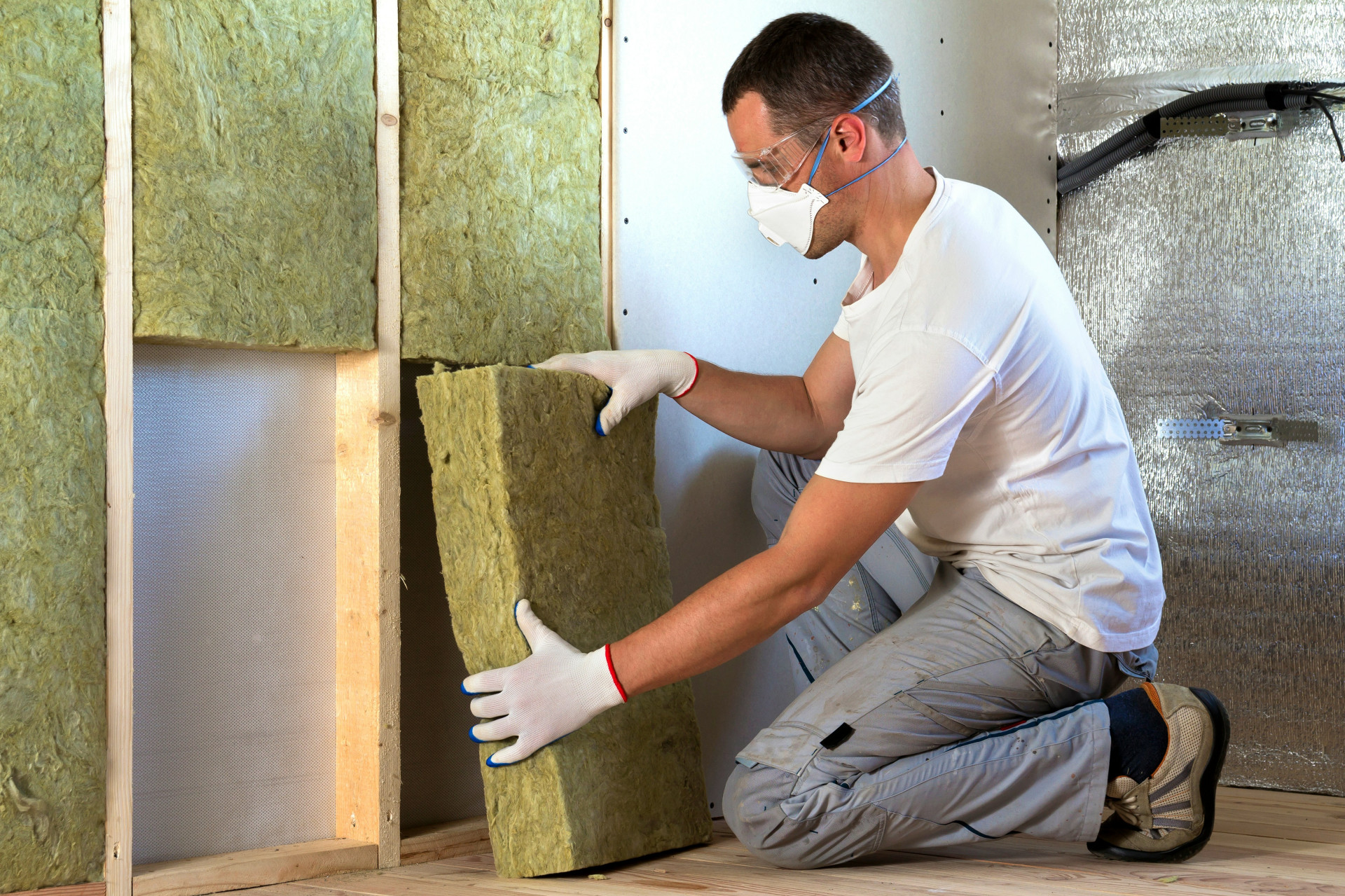
The building envelope is the physical barrier that separates the conditioned interior from the outdoor environment. It includes walls, roofs, floors, windows, and doors. Its job is to protect the interior from wind, rain, and temperature extremes while maintaining comfort and energy efficiency inside.
A tight building envelope means that unwanted air does not leak in or out through joints, seams, or penetrations. The goal is not to make the building completely sealed, but to ensure that ventilation happens in a controlled way—through designed systems rather than random leaks.
Why Airtightness Matters
Even small air leaks can have a big impact on energy use. When warm air escapes in winter or cool air leaks out in summer, the HVAC system must work harder to maintain indoor temperatures. This leads to higher energy bills and increased greenhouse gas emissions.
Studies by the U.S. Department of Energy have shown that air leakage can account for 25–40% of the energy used for heating and cooling in typical homes. Reducing those leaks can therefore deliver significant savings and improve comfort.
Airtightness also affects durability and indoor air quality. When warm, moist indoor air seeps into walls or ceilings, it can condense and cause mold or structural damage. A well-sealed envelope helps prevent these moisture problems and extends the life of the building materials.
Læs også:

How Airtightness Is Measured
Airtightness is typically measured using a blower door test. A fan is installed in an exterior doorway to create a pressure difference between indoors and outdoors. The amount of air needed to maintain that pressure difference indicates how leaky the building is.
The result is expressed as air changes per hour at 50 Pascals (ACH50). The lower the number, the tighter the building. For example, the U.S. ENERGY STAR program requires new homes to achieve 3 ACH50 or less in most climate zones, while high-performance or passive houses often aim for 0.6 ACH50 or lower.
Common Sources of Air Leaks
Air leaks often occur where different building components meet—around windows and doors, at electrical outlets, plumbing penetrations, and joints between walls and ceilings. In older homes, cracks in masonry, deteriorated caulking, or poorly installed vapor barriers are frequent culprits.
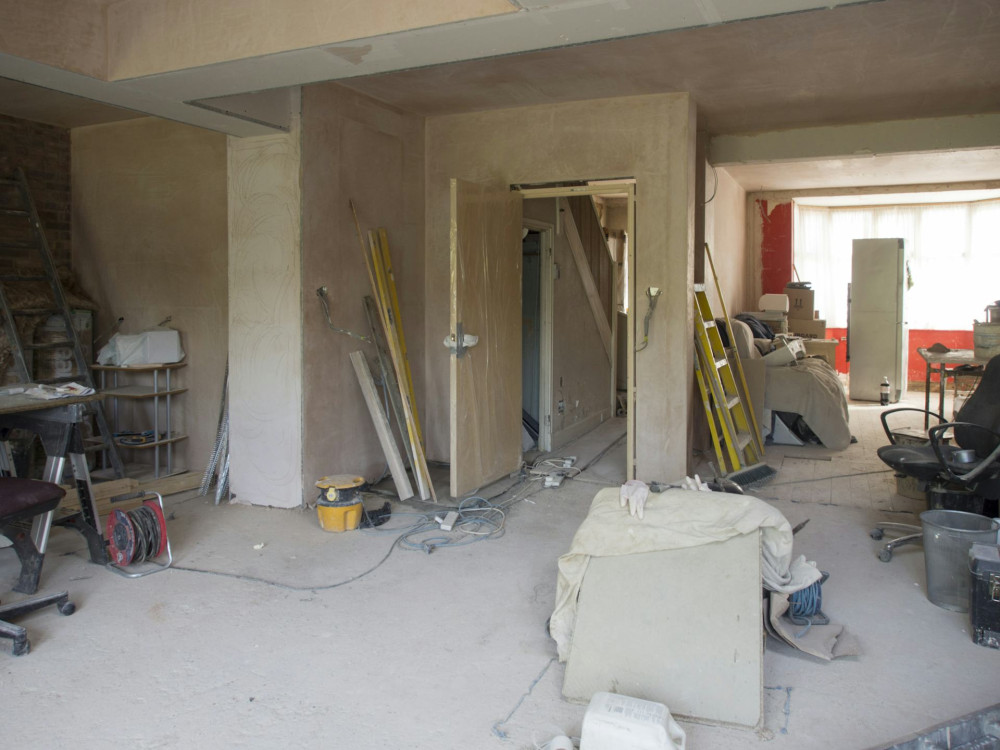
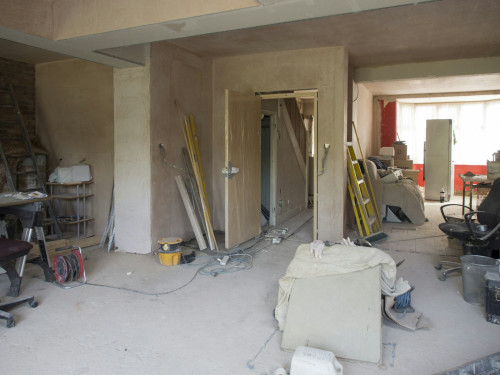
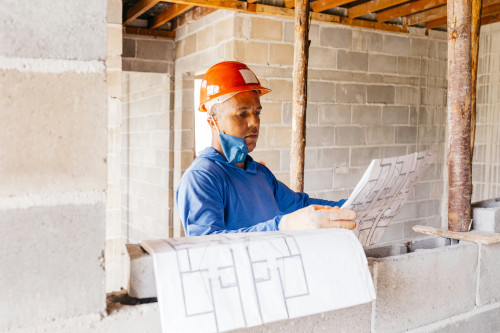
In new construction, airtightness depends on careful detailing and workmanship. Even small gaps left unsealed during framing or installation can lead to significant leakage. That’s why airtightness should be considered from the design stage and verified during construction.
The Relationship Between Airtightness and Ventilation
A tight building envelope must always be paired with proper ventilation. Without it, indoor air can become stale or humid, leading to discomfort and potential health issues.
Modern energy-efficient buildings typically use balanced mechanical ventilation with heat recovery. These systems bring in fresh air and exhaust stale air while transferring heat between the two air streams. The result is a comfortable, healthy indoor environment with minimal energy loss.
Airtightness in Renovation Projects
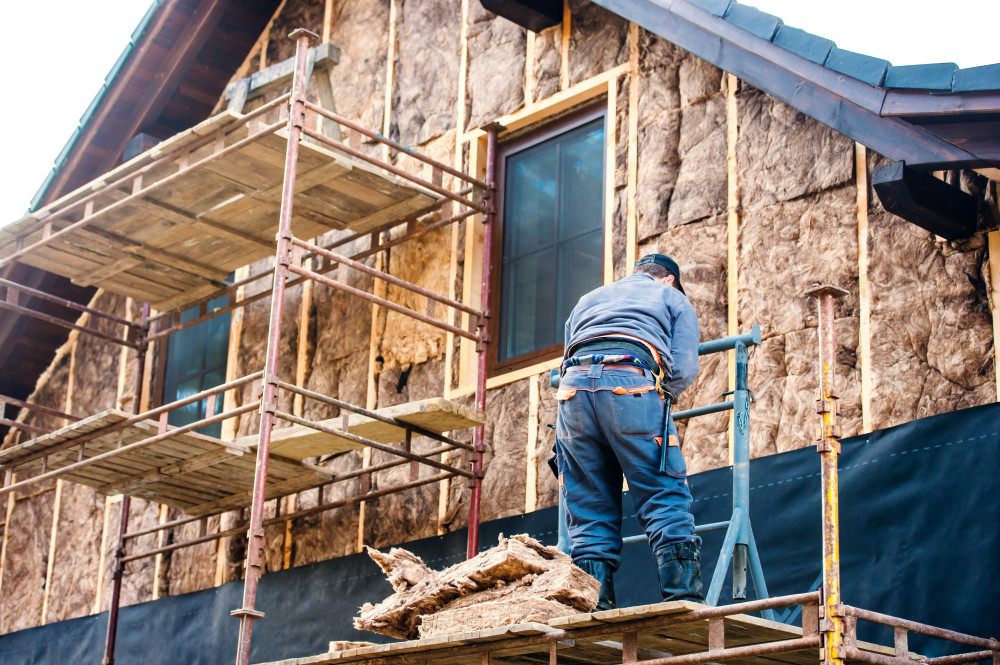
When retrofitting older buildings, improving airtightness is often one of the most cost-effective energy upgrades. Many homeowners focus on adding insulation but overlook sealing leaks, which can undermine the benefits of new insulation.
Effective retrofit strategies include sealing joints and penetrations with caulk, foam, or specialized tapes, and installing continuous air barriers where possible. A blower door test before and after the work can help identify problem areas and verify improvements.
A Smart Investment for the Future
Airtightness may seem like a technical detail, but it has major implications for comfort, durability, and energy performance. A well-sealed building envelope reduces heating and cooling costs, prevents moisture damage, and enhances indoor air quality.
For homeowners, that means lower utility bills and a more comfortable living space. For the nation, it means reduced energy demand and progress toward climate and sustainability goals.
Ensuring airtightness is therefore not just a construction standard—it’s an investment in a more efficient, resilient, and sustainable built environment.
Læs også: