Durable Bathroom Materials – How to Choose the Right Ones from the Start

Durable Bathroom Materials – How to Choose the Right Ones from the Start
A bathroom has to handle a lot: moisture, heat, cleaning, and daily wear. That’s why choosing the right materials is crucial—not just for looks, but for long-term durability and maintenance. A beautiful bathroom can quickly lose its appeal if tiles, grout, or surfaces can’t stand up to everyday use. Here’s a guide to help you choose durable materials from the start, so your bathroom stays beautiful and functional for years to come.
Start with Function—Not Just Design
When planning a new bathroom, it’s easy to get caught up in design trends. But the most important thing is that your materials fit the room’s purpose. Bathrooms are wet environments, and that places special demands on walls, floors, and fixtures.
- Choose moisture-resistant materials. Avoid porous surfaces that absorb water, such as untreated wood or unsealed natural stone.
- Think about cleaning. Smooth, nonporous surfaces are easier to keep clean and resist soap scum and hard-water stains.
- Consider durability. Floors and countertops take daily abuse—investing in quality materials pays off in the long run.
A smart approach is to use highly functional materials in wet zones and more decorative finishes in dry areas.
Tile – The Classic That Lasts
Tile remains the most popular bathroom material in the U.S., and for good reason. It’s waterproof, durable, and available in endless colors and styles. But not all tiles are created equal.
- Ceramic tile is a reliable choice for both walls and floors. It’s tough, easy to clean, and moisture-resistant.
- Porcelain tile is denser and even more water-resistant, making it ideal for shower floors and high-traffic areas.
- Natural stone like marble or slate adds luxury but requires regular sealing to prevent staining and etching.
Don’t forget the grout—it’s just as important as the tile. Choose a grout that resists mold and mildew, such as epoxy grout, especially in shower areas.
Floors That Handle Water and Heat
Bathroom floors face constant exposure to water and temperature changes, especially if you have radiant floor heating.
- Luxury vinyl flooring (LVF) is a modern, waterproof option that’s soft underfoot and available in designs that mimic wood or stone.
- Epoxy floors create a seamless, minimalist look that’s easy to clean but should be installed by professionals.
- Tile floors remain the most durable choice, particularly when paired with proper waterproofing and underfloor heating.
Avoid traditional hardwood in wet zones unless it’s specially treated and installed correctly—otherwise, it can warp or discolor over time.
Surfaces and Cabinets – Choose Materials That Resist Moisture
Bathroom vanities and countertops must withstand humidity and temperature changes without swelling or peeling. Here are some of the most durable options:
- Solid-surface materials like Corian or quartz composites (e.g., Silestone) are nonporous, stain-resistant, and easy to maintain.
- Laminate is a budget-friendly choice, but make sure edges and seams are well sealed.
- Solid wood can work if properly treated with water-resistant finishes such as marine-grade varnish or oil.
- Painted or lacquered MDF is common, but opt for high-quality finishes that fully seal the surface against moisture.
Position furniture away from direct water exposure, and ensure the room has good ventilation to prevent moisture buildup.
Læs også:
Ceilings and Walls – Don’t Overlook the Details
While floors and fixtures get most of the attention, ceilings and walls also play a big role in durability. A bathroom ceiling should resist moisture and help prevent condensation and mold.
- Paint should be moisture-resistant and vapor-permeable, allowing humidity to escape.
- Waterproof wall panels made of PVC or composite materials are a low-maintenance alternative to tile.
- Moisture-resistant drywall (often green or purple board) is essential behind tile or paint in wet areas.
Proper ventilation is key—even the best materials won’t last if moisture can’t escape. Install an efficient exhaust fan and use it regularly.
Think Long-Term – Quality Pays Off
A bathroom is an investment, and quality materials pay dividends over time. Cheaper options may look good initially but often wear out faster and require more upkeep. Consider:
- How much time you want to spend on cleaning and maintenance.
- How long you expect the bathroom to last before renovation.
- Whether materials can be repaired or replaced without major demolition.
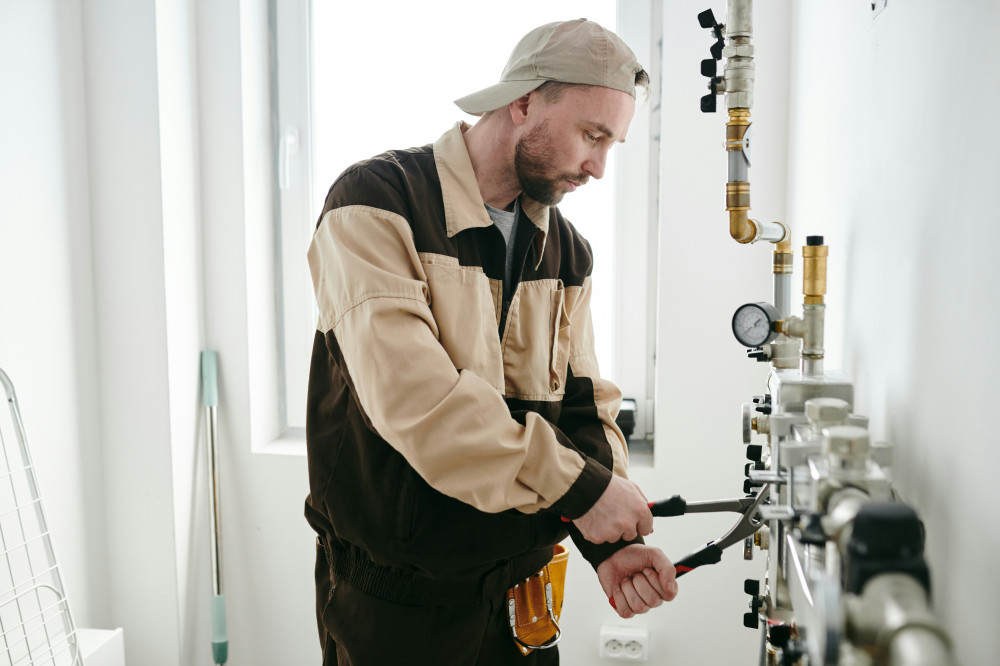
Durability isn’t just about materials—it’s also about proper installation. Hire experienced professionals who understand waterproofing and building codes. That’s your best protection against costly water damage.
A Bathroom That Lasts—and Still Looks Great
By choosing materials thoughtfully, you can create a bathroom that’s both beautiful and built to last. It’s all about balancing aesthetics, durability, and maintenance. With the right choices from the start, you’ll have a space that stands up to daily life—and still feels like your personal retreat.
Læs også: