Say Goodbye to Limescale: Prevent It with Water Filters and Softening Solutions

Say Goodbye to Limescale: Prevent It with Water Filters and Softening Solutions
If you live in an area with hard water, you’ve probably noticed the telltale signs: cloudy glassware, white spots on faucets, and appliances that don’t last as long as they should. Hard water is common across many parts of the United States, especially in the Midwest, Southwest, and parts of the South. The good news? With the right water treatment solutions, you can prevent limescale buildup and protect your home’s plumbing and appliances. Here’s how water filters and softening systems can make a big difference.
What Is Hard Water—and Why Does It Matter?
Hard water contains high levels of calcium and magnesium minerals. These minerals aren’t harmful to your health, but they can cause a range of household problems. When hard water is heated or evaporates, it leaves behind mineral deposits—known as limescale—on surfaces and inside appliances.
Over time, limescale can clog pipes, reduce water pressure, and make heating elements in dishwashers, washing machines, and water heaters less efficient. That means higher energy bills and more frequent repairs or replacements. Even your laundry and skin can feel the effects: clothes may come out stiff, and soap doesn’t lather as well in hard water.
Water Filters: The First Step Toward Cleaner Water
While standard water filters don’t remove hardness minerals directly, they play an important role in improving water quality. Filters can remove sediment, chlorine, rust, and other impurities that affect taste, odor, and the performance of your plumbing system. Common types include:
- Carbon filters – Reduce chlorine, bad taste, and odor, making your water more pleasant to drink.
- Sediment filters – Capture sand, dirt, and rust particles that can damage fixtures and appliances.
- Reverse osmosis systems – Remove a wide range of dissolved substances, including some hardness minerals, but are typically used for drinking water rather than whole-house treatment.
If your goal is to eliminate limescale throughout your home, a water softener is the next step.
Læs også:

Water Softeners: How They Work
A water softener removes calcium and magnesium ions through a process called ion exchange. As water passes through a tank filled with resin beads, the hardness minerals are replaced with sodium or potassium ions. The result is soft water that won’t leave behind limescale.
The system periodically regenerates itself using a salt solution that flushes out the collected minerals and recharges the resin beads. Maintenance is simple—just keep the salt tank filled, usually a few times a year depending on your water usage.
Benefits of a Water Softener
- No more limescale on faucets, shower doors, or tiles.
- Longer lifespan for water-using appliances.
- Lower energy consumption, since heating elements stay clean.
- Softer laundry and smoother skin and hair.
- Reduced need for soap, detergent, and cleaning products.
Choosing the Right Solution for Your Home
The best system for you depends on your local water hardness and household size. You can check your water utility’s website or use a home test kit to measure hardness levels. In areas with very hard water—like parts of Texas, Arizona, or Indiana—a whole-house softener can quickly pay for itself through energy savings and reduced maintenance costs.
If your water is only moderately hard, a combination of a sediment or carbon filter and regular cleaning may be enough. Some homeowners also choose hybrid systems that combine filtration and softening in one unit for convenience.
Installation and Maintenance
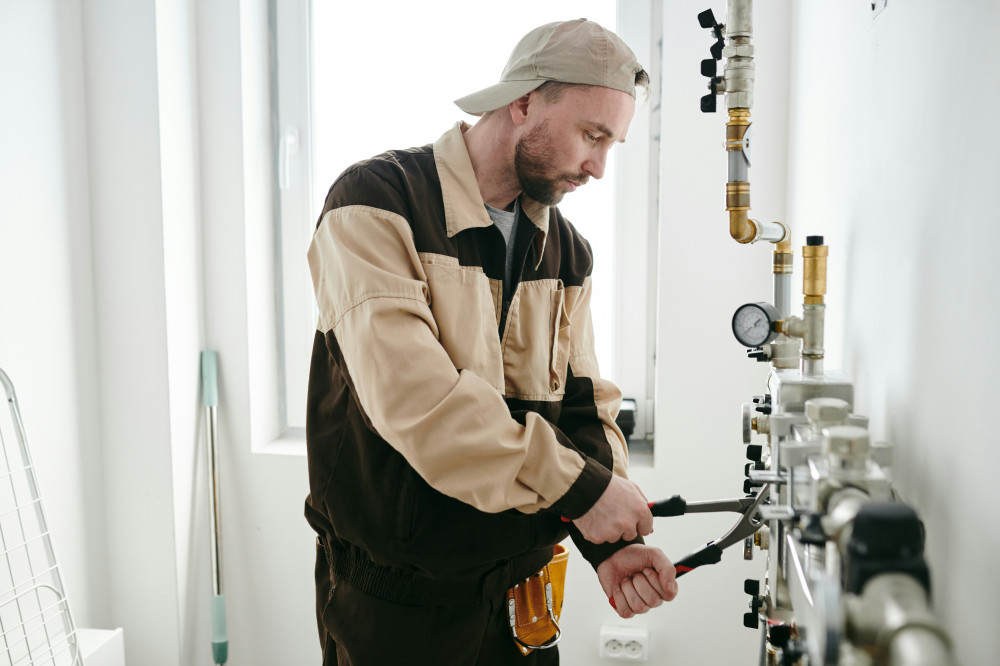
A whole-house water softener is typically installed where the main water line enters your home, ensuring that all water—hot and cold—is treated. Professional installation is recommended to ensure proper setup and drainage for the regeneration process.
Maintenance is straightforward: check the salt level regularly, clean the brine tank as needed, and follow the manufacturer’s service schedule. Many modern systems include digital controls that alert you when it’s time for maintenance or salt refills.
Environmental and Health Considerations
Softened water contains a small amount of added sodium, but for most people, the levels are minimal and safe. If you’re on a low-sodium diet, you can choose to soften only the hot water line or install a bypass for drinking water. Potassium-based softening salts are also an alternative.
From an environmental standpoint, soft water helps you use less detergent and energy, which reduces your household’s overall footprint. Choosing a system that’s properly sized for your home ensures efficient operation and minimal waste.
Enjoy a Limescale-Free Home
Hard water doesn’t have to be a fact of life. With the right combination of water filtration and softening, you can protect your home, save energy, and make everyday chores easier. Cleaner fixtures, longer-lasting appliances, and softer laundry are just the beginning. Investing in a water treatment system is an investment in comfort, efficiency, and peace of mind—so you can finally say goodbye to limescale for good.
Læs også: