Electric Heating Problems? How to Find and Fix Them Yourself

Electric Heating Problems? How to Find and Fix Them Yourself
Electric heating is a convenient and efficient way to keep your home warm—especially in smaller houses, apartments, or rooms that need extra heat. But like any electrical system, things can go wrong: the baseboard heater won’t turn on, the thermostat doesn’t respond, or your electric bill suddenly spikes. The good news is that many common issues can be identified and fixed without calling an electrician. Here’s a step-by-step guide to troubleshooting electric heating problems safely and effectively.
Understand Your Electric Heating System
Before you start, it’s important to know what kind of electric heating you have and how it works. In U.S. homes, the most common types include:
- Baseboard heaters – long, wall-mounted units that use electric resistance to produce heat.
- Wall heaters – compact units often found in bathrooms or small rooms.
- Electric radiant floor heating – heating cables or mats installed under the floor.
- Electric furnaces or heat pumps – central systems that distribute warm air through ducts.
Check your owner’s manual or look up the model number online to understand how your system operates and what maintenance it requires.
Check the Power Supply First
It may sound obvious, but many heating issues come down to a simple power problem. Go through these steps:
- Test the outlet or circuit – plug in a lamp or another device to confirm there’s power.
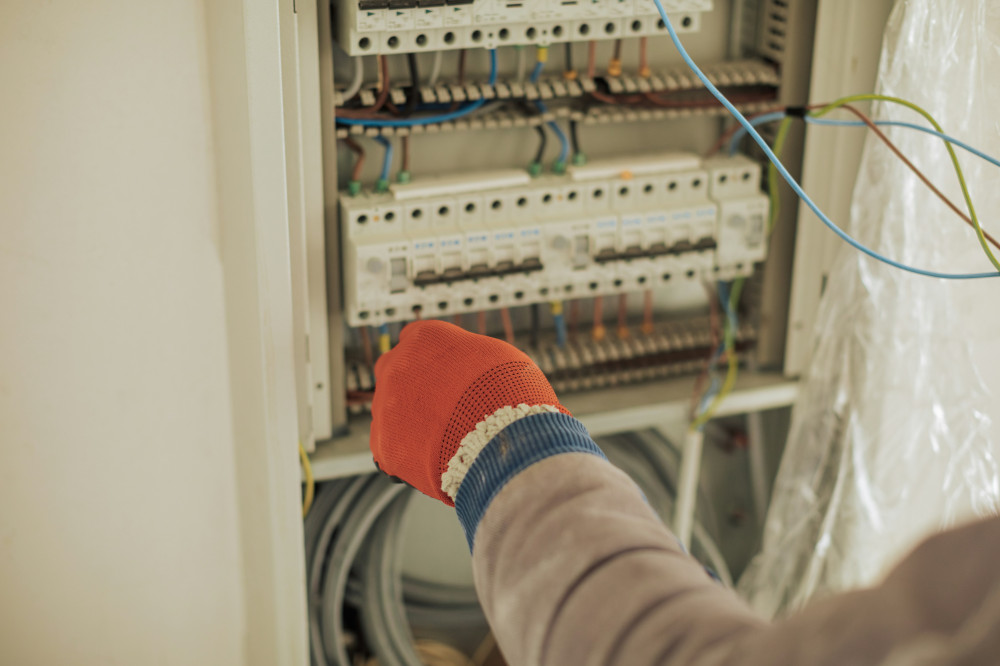
- Inspect the circuit breaker – electric heaters often have dedicated breakers. If one has tripped, reset it once. If it trips again, stop and call a professional.
- Look for loose connections – especially on hardwired units. Turn off the power at the breaker before checking any wiring.
If your heater repeatedly trips the breaker or blows a fuse, that’s a sign of a deeper electrical issue that needs professional attention.
The Thermostat: A Common Culprit
A faulty or misconfigured thermostat is one of the most frequent causes of heating problems. Try these quick checks:
- Turn up the temperature and wait a few minutes to see if the heater responds.
- Replace the batteries if it’s a battery-powered thermostat.
- Clean the thermostat sensor – dust can interfere with temperature readings.
- Reset the thermostat following the manufacturer’s instructions.
If you have multiple heaters, compare them. If one works and another doesn’t, the thermostat controlling the faulty one may be the issue.
When the Heater Stays Cold
If the power and thermostat are fine but the heater still doesn’t warm up, the problem may be internal:
- Overheat protection – many electric heaters have a safety switch that shuts them off if they get too hot. Look for a small reset button, usually on the back or side.
- Dust buildup – accumulated dust can block airflow and cause overheating. Turn off the power and vacuum the vents or fins carefully.
- Burned-out heating element – if you hear clicks but feel no heat, the element may have failed. This usually requires replacement by a qualified technician.
Troubleshooting Electric Floor Heating
Electric radiant floor systems are trickier to diagnose because the heating elements are hidden. Still, you can check a few things:
- Verify the thermostat – does it display the correct temperature and turn on when you raise the setting?
- Check for error codes – some thermostats show a fault if the floor sensor is damaged.
- Inspect the circuit breaker – floor heating often runs on its own circuit.
If only part of the floor warms up, there may be a break in the heating cable. That’s a job for a professional with specialized testing equipment.
When Your Electric Bill Suddenly Rises
A sudden increase in electricity use can signal that your heating system is running inefficiently. Consider these possibilities:
- Thermostats set too high – even one extra degree can noticeably raise your energy costs.
- Poor insulation or air leaks – drafty windows and doors make your system work harder.
- Blocked airflow – furniture placed in front of heaters can trap heat and cause the thermostat to misread the room temperature.
A quick home energy check can help you identify where you’re losing heat and money.
When to Call an Electrician
While many issues are safe to handle yourself, some situations require professional help:
- You smell burning or see discoloration around outlets or heaters.
- The circuit breaker trips repeatedly.
- You need to open or replace hardwired components.
A licensed electrician can test voltage, resistance, and insulation to ensure your system is safe and up to code.
Prevent Future Problems
Regular maintenance keeps your electric heating system running efficiently:
- Vacuum heaters and vents a few times a year.
- Test thermostats before the heating season starts.
- Watch for unusual noises, smells, or temperature swings.
You might also consider smart thermostats, which automatically adjust heating based on your schedule and preferences—saving both energy and money.
Læs også:

Stay Warm and Worry-Free
Electric heating should make your home comfortable, not complicated. By understanding how your system works and knowing how to troubleshoot common issues, you can save time, money, and frustration. With a little care and attention, your electric heating system can keep you cozy for many winters to come.
Læs også: