Why Does the Circuit Breaker Trip? Understanding Your Electrical Panel

Why Does the Circuit Breaker Trip? Understanding Your Electrical Panel
When the lights suddenly go out and your coffee maker stops mid-brew, it’s often because a circuit breaker has tripped. While it can be frustrating, it’s actually a sign that your home’s electrical system is doing exactly what it’s supposed to do—protecting you and your property from overloads and electrical faults. To understand why a breaker trips and how to prevent it, it helps to know how your electrical panel works.
What Is an Electrical Panel?
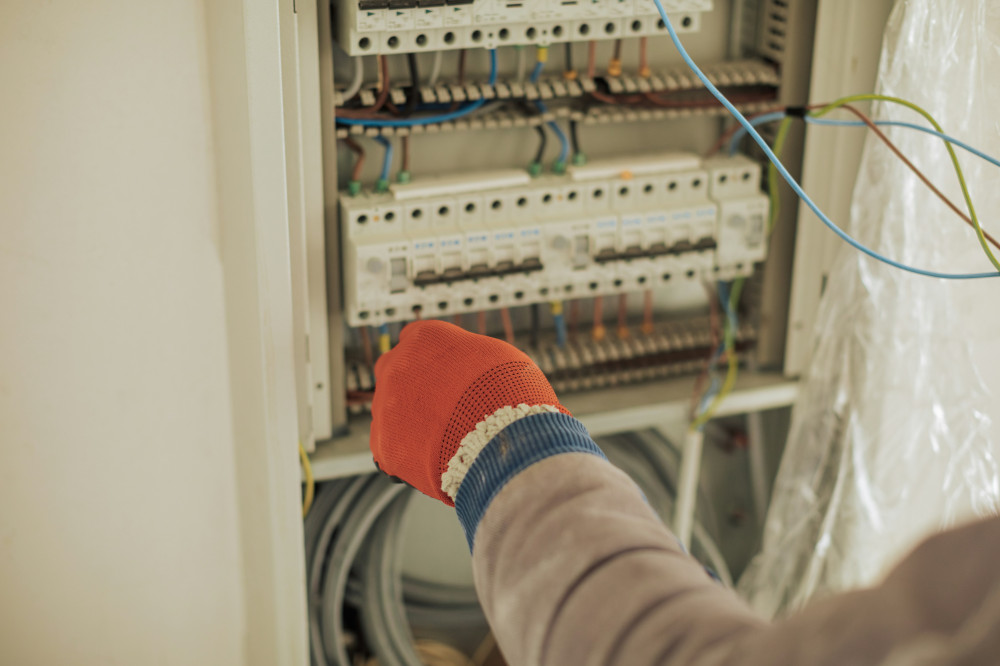
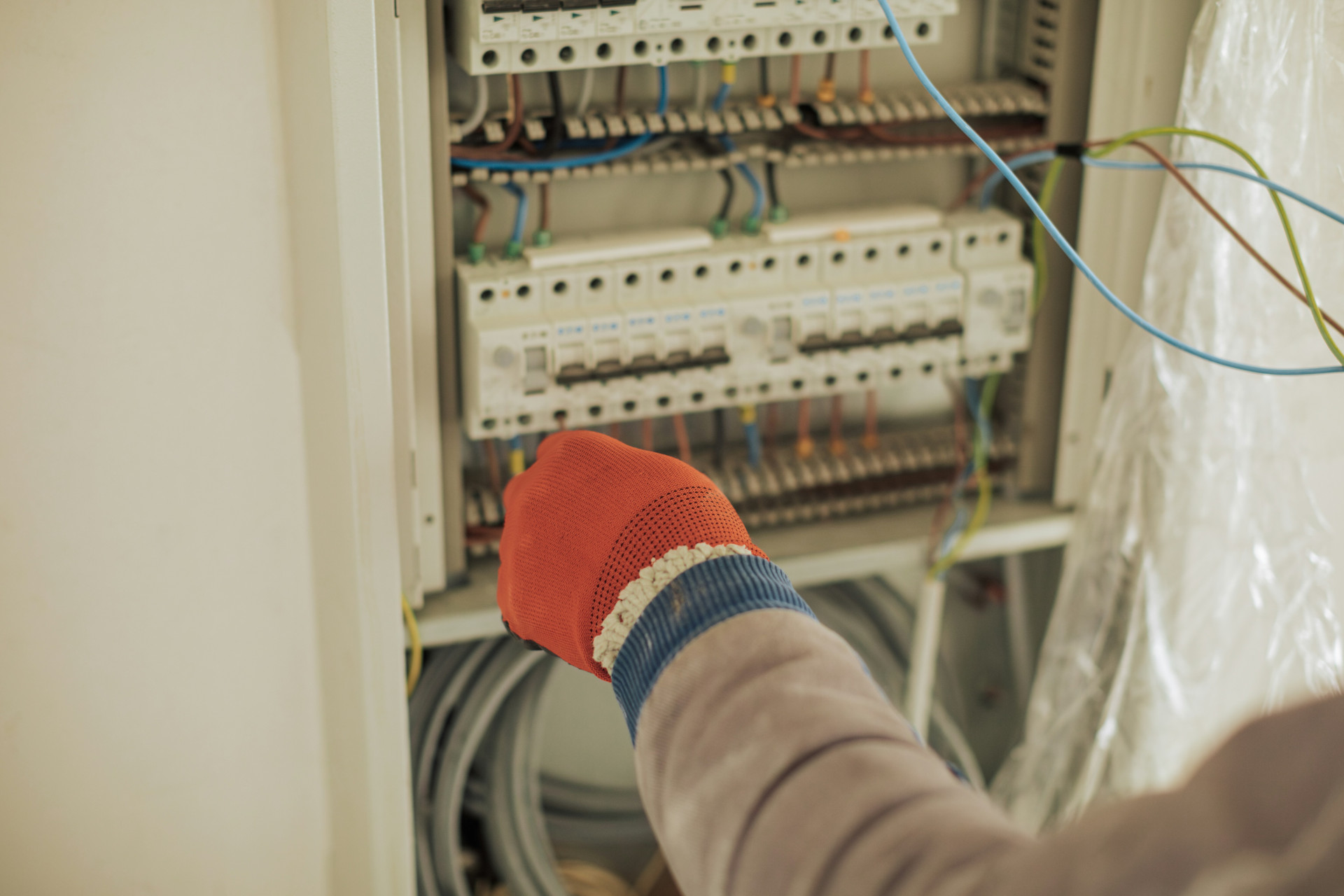
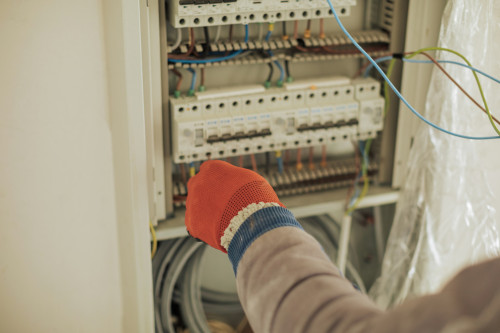
Your home’s electrical panel—sometimes called a breaker box or service panel—is the central hub of your electrical system. It distributes electricity from the utility line to the various circuits throughout your home: outlets, lighting, appliances, and outdoor systems. Inside the panel, you’ll find circuit breakers, a main disconnect switch, and sometimes ground fault or arc fault protection devices.
Each breaker controls and protects a specific circuit, such as the kitchen or living room. If something goes wrong, the breaker automatically shuts off power to that circuit to prevent damage to wiring, appliances, or even fire.
Why Does a Circuit Breaker Trip?
There are several common reasons a breaker might trip:
- Overload: The most frequent cause. If too many devices are plugged into the same circuit—say, a toaster, microwave, and coffee maker all running at once—the total current draw exceeds what the circuit can safely handle. The breaker trips to prevent overheating and potential fire hazards.
- Short Circuit: This happens when electricity takes an unintended shortcut, bypassing the normal resistance in a device. It’s often caused by damaged wiring, a loose connection, or a faulty appliance. A short circuit causes a sudden surge of current, and the breaker shuts off immediately.
- Ground Fault: Similar to a short circuit, a ground fault occurs when electricity escapes the circuit and flows into the ground, often through moisture or damaged insulation. Ground Fault Circuit Interrupters (GFCIs) detect this and cut power instantly to prevent electric shock.
How to Find the Problem
When a breaker trips, the first step is to figure out why. Follow these steps:
- Turn off or unplug all devices on the affected circuit.
- Reset the breaker by flipping it fully to the “off” position and then back to “on.”
- Plug in and turn on devices one at a time.
- Watch for the breaker to trip again. The last device you turned on is likely the culprit.
- Inspect cords and plugs for visible damage. If you can’t find the cause, call a licensed electrician.
Never replace a breaker with one rated for higher amperage than the original. Doing so can allow wiring to overheat and create a serious fire risk.
Know Your Breaker Types
Most modern homes use circuit breakers that can simply be reset after tripping. Older homes may still have fuse boxes, where a fuse must be replaced when it blows. Breakers are more convenient and provide better protection.
You may also see GFCI breakers or outlets in areas like bathrooms, kitchens, and outdoor spaces. These protect against electric shock by detecting current leaks. AFCI breakers (Arc Fault Circuit Interrupters) are common in newer homes and protect against dangerous arcing conditions that can lead to fires. Both types should be tested regularly using the built-in test button.
Læs også:

Preventing Breaker Trips
You can reduce the chances of tripping a breaker by following a few simple habits:
- Spread out high-power appliances across different outlets and circuits.
- Avoid using multiple extension cords or power strips on the same circuit.
- Make sure large appliances like washers, dryers, and microwaves have dedicated circuits.
- Have your electrical system inspected if you live in an older home—older wiring may not be designed for today’s energy demands.
A professional electrical inspection can reveal whether your panel needs an upgrade or if hidden issues are putting stress on your circuits.
When the Same Breaker Trips Repeatedly
If the same breaker keeps tripping, it’s a sign that something isn’t right. It could be an overloaded circuit, a faulty appliance, or a wiring problem. Repeated tripping should always be investigated—not just for convenience, but for safety. An electrician can measure the load on each circuit and recommend adjustments or upgrades.
Your Electrical Panel: The Guardian of Your Home
While a tripped breaker can be inconvenient, it’s actually a good thing—it means your electrical system is protecting you. By understanding how your panel works and how to respond when a breaker trips, you can keep your home safe and your power running smoothly.
So the next time the lights go out, take a deep breath—your electrical panel is just doing its job.
Læs også: