Test the Power Safely Before Starting Electrical Work

Test the Power Safely Before Starting Electrical Work
Before you start any electrical project at home—whether it’s replacing an outlet, installing a light fixture, or swapping out a switch—the most important first step is to make sure the power is truly off. Many accidents happen because people underestimate the danger of electricity or forget to verify that the circuit is de-energized. Here’s a practical guide to help you test the power safely before you begin.
Turn Off the Power – But Don’t Just Trust the Breaker
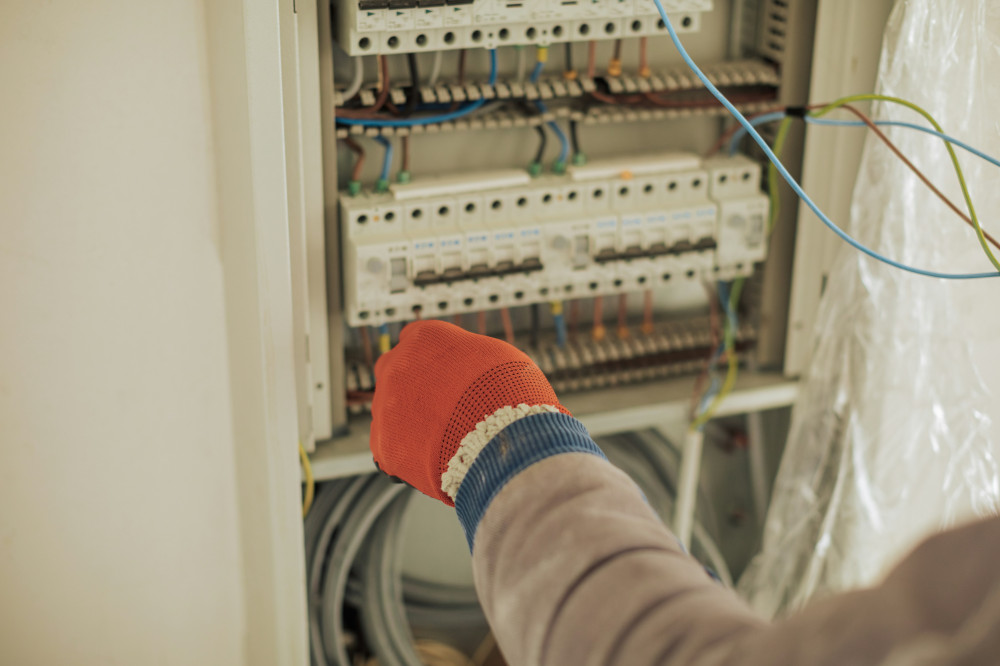
Start by turning off the power to the area where you’ll be working. Go to your home’s electrical panel and switch off the circuit breaker that controls that part of the house. It’s a good idea to label the breaker or place a piece of tape over it to remind others not to turn it back on while you’re working.
However, never assume that flipping the breaker means the power is completely off. Wiring errors, mislabeled breakers, or shared circuits can all lead to surprises. That’s why you must always test before touching any wires.
Use the Right Tool for Testing
To check whether a circuit is live, you’ll need the proper testing tool. Common options include:
- Non-contact voltage tester – A simple, pen-shaped tool that detects voltage without touching bare wires. It’s quick and convenient for basic checks.
- Two-pole voltage tester – A more accurate and reliable tool that measures between two points. This is the method most professional electricians prefer.
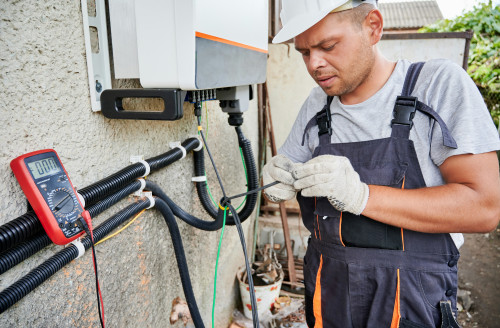
- Multimeter – A versatile instrument that can measure voltage, current, and resistance. It’s very useful but requires some experience to use correctly.
Avoid relying on improvised tools or cheap testers that may give false readings. Always use a tester rated for household voltage (typically 120/240 volts in the U.S.) and approved by a recognized safety organization such as UL.
How to Test Correctly
Follow a consistent routine every time you test for power:
- Check your tester first – Test it on a known live outlet to confirm it’s working properly.
- Test the wires or terminals where you’ll be working – There should be no indication of voltage if the power is off.
- Recheck your tester – Test it again on a live circuit to make sure it didn’t fail during use.
This “before–during–after” method ensures that your tester is functioning and that you’re truly working on a dead circuit.
Know Your Limits
While homeowners can safely handle some small electrical tasks—like replacing a light fixture or switch—other jobs should be left to licensed electricians. Work involving new wiring, service panels, or major circuit changes requires professional expertise and must comply with the National Electrical Code (NEC).
If you’re unsure whether a project is safe or legal to do yourself, consult a qualified electrician. It’s a small investment compared to the cost of an electrical fire or serious injury.
Læs også:

Safety First, Every Time
Testing for power takes only a minute, but it can save your life. Make it a habit every time you work with electricity. Use the right tools, follow a safe testing routine, and never assume a circuit is off until you’ve verified it yourself.
With respect for electricity and careful preparation, you can complete small electrical projects safely—and with confidence.
Læs også: