Energy Management as a Tool for Better Energy Habits

Energy Management as a Tool for Better Energy Habits
Most of us only think about our energy use when the utility bill arrives. But with rising energy costs and growing awareness of climate change, there’s every reason to take control. Energy management isn’t just about technology—it’s about understanding your consumption, changing habits, and using energy more efficiently. Here’s how energy management can become a practical tool for building better energy habits in your everyday life.
What Is Energy Management?
Energy management refers to the methods and technologies that help you monitor, regulate, and optimize your energy use. It can be as simple as an app that shows your electricity consumption hour by hour, or as advanced as a system that automatically adjusts heating, cooling, and lighting based on your needs.
The goal is to create awareness and make it easier to act. When you can see when and how much energy you use, it becomes easier to identify where you can save—without sacrificing comfort.
From Data to Action
Many U.S. utilities now offer access to detailed usage data through online dashboards or mobile apps. This means you can track your electricity use almost in real time. But data alone doesn’t change anything—it’s when you use it actively that it becomes valuable.
- Identify patterns: Do you see high usage overnight? Maybe some devices are left on standby.
- Compare periods: Use data to see how changes—like switching to LED bulbs or adjusting your thermostat—affect your consumption.
- Set goals: Try reducing your energy use by 10% over three months and track your progress.
Small adjustments can quickly make a noticeable difference, and seeing results in black and white is motivating.
Læs også:

Smart Solutions for the Home
Technology makes it easier than ever to automate energy management. Smart thermostats, motion sensors, and connected plugs can help you use energy when you need it—and save when you don’t.
- Smart thermostats learn your routines and adjust heating or cooling automatically, so you’re not conditioning an empty home.
- Appliance scheduling can shift energy use to off-peak hours when electricity is cheaper or cleaner.
- Sensor-based lighting ensures lights are only on when someone is in the room.
Even small investments can lead to significant savings over time—both financially and environmentally.
Behavior Makes the Difference
While technology helps, our habits ultimately determine the outcome. Energy management is also about awareness and behavior. Turning off lights when leaving a room or lowering the thermostat by a degree may seem trivial, but it adds up when it becomes part of your routine.
A good approach is to involve the whole household. Make energy saving a shared project where everyone contributes. Kids can help check for devices left on unnecessarily, while adults can monitor usage through the app. When everyone participates, it’s easier to maintain good habits.
Energy Management as an Investment in the Future
Investing in energy management isn’t just about saving money—it’s also an investment in a more sustainable home. Lower energy use means fewer carbon emissions, and many energy-efficient upgrades can increase your property’s value.
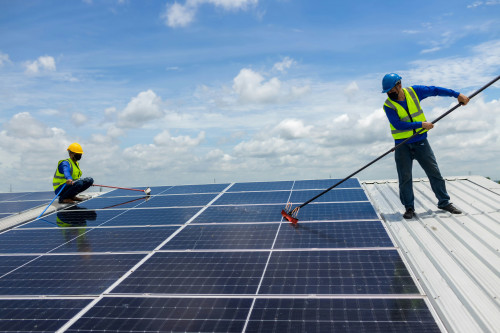
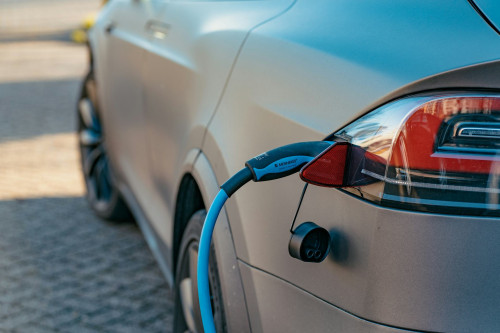
Energy management can also be a first step toward a more flexible energy future, where households play an active role in balancing the grid. With solar panels, home batteries, and electric vehicles becoming more common, knowing when and how you use energy will only grow in importance.
Getting Started
If you want to begin managing your energy more effectively, start small:
- Get an overview – log in to your utility’s online portal to see your usage.
- Choose a focus area – such as heating, lighting, or standby power.
- Set realistic goals – and track your progress regularly.
- Consider smart solutions – start with one feature and expand gradually.
The key is simply to start. Once you see how small changes can make a big difference, energy management quickly becomes a natural part of everyday life.
Læs også: