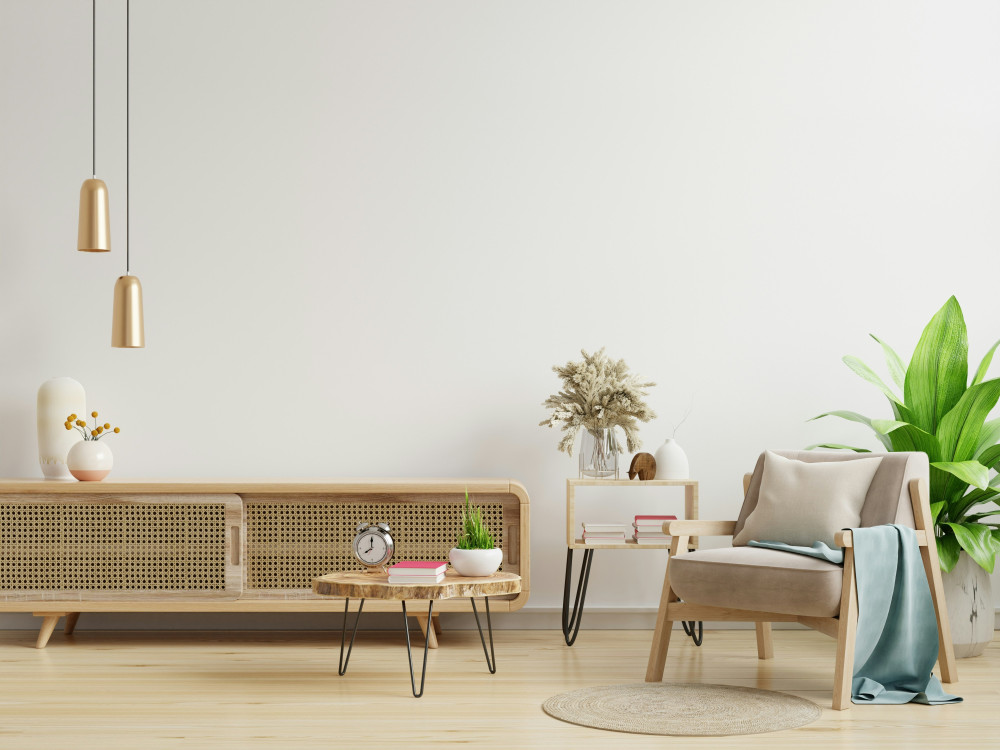
Good Indoor Climate in Multifunctional Small Homes


Good Indoor Climate in Multifunctional Small Homes
Small homes are more popular than ever in the United States. Rising housing costs, a growing interest in sustainability, and the appeal of a simpler lifestyle have inspired many Americans to downsize — but not to compromise on functionality. When your living room doubles as a bedroom and your kitchen serves as a workspace, maintaining a healthy indoor climate becomes essential. A good indoor environment is not just about comfort; it’s about health, well-being, and energy efficiency. Here’s how to create a pleasant and healthy indoor climate in a multifunctional small home.
Air and Ventilation – The Key Factor
In compact spaces, air quality can deteriorate quickly, especially when multiple activities take place in the same room. Cooking, sleeping, working, and relaxing all produce moisture, carbon dioxide, and particles that need to be replaced with fresh air.
- Ventilate several times a day – open windows wide for 5–10 minutes three to five times daily to create cross-ventilation. This refreshes the air without losing too much heat.
- Use your range hood effectively – turn it on while cooking and let it run a few minutes afterward to remove steam and grease particles.
- Consider mechanical ventilation – in newer or tightly sealed homes, a ventilation system with heat recovery can ensure a steady supply of fresh air without wasting energy.
Proper ventilation reduces the risk of mold and improves concentration and sleep quality — especially important when your home also functions as your office.
Temperature and Humidity – Finding the Balance
Small spaces react quickly to temperature changes. A few degrees can make a big difference, and moisture from showers, cooking, or drying clothes can quickly cause condensation or mold.
- Keep the temperature stable – around 68–72°F (20–22°C) is ideal for most people. Avoid large fluctuations between day and night.
- Monitor humidity levels – aim for 40–60%. Use a hygrometer, and ventilate if humidity rises.
- Dry clothes outdoors or in a well-ventilated area – moisture from laundry can easily lead to damp corners and condensation on windows.
A stable indoor climate is not only more comfortable but also more energy-efficient, reducing the need for heating and dehumidifying.
Materials and Furnishing – Think Breathable and Flexible
When space is limited, it’s tempting to fill every corner with storage and compact furniture. But overcrowding can block airflow and create damp spots.
- Leave space between furniture and walls – especially exterior walls, to allow air circulation.
- Choose natural materials like wood, untreated fabrics, and low-VOC paints. They contribute to a healthier indoor environment.
- Use multifunctional furniture – such as a sofa bed or a table with built-in storage. This frees up floor space and makes cleaning easier.
A simple, flexible layout makes a small home feel larger and improves air quality.
Light and Sound – The Overlooked Comfort Factors
A good indoor climate also involves the senses. Light and sound affect mood, focus, and overall comfort.
- Maximize natural light – place your workspace near a window and use light-colored surfaces to reflect daylight.
- Add warm-toned LED lighting – it creates a cozy atmosphere in the evening and saves energy.
- Reduce noise – use rugs, curtains, and textiles to absorb sound, especially if you live in an apartment building or work from home.
A calm, well-lit space feels more open and inviting — even when square footage is limited.
Green Plants – Natural Air Quality Boosters
Plants can’t replace ventilation, but they help create a better microclimate and a sense of well-being. Species like peace lilies, ferns, and snake plants are known for absorbing moisture and certain air pollutants. They also add life and visual variety to small spaces.
Læs også:




Small Steps, Big Impact
Creating a good indoor climate in a small home doesn’t require major investments. It’s mostly about awareness and habits: airing out regularly, keeping things tidy, choosing the right materials, and thinking flexibly about space. In a small home, every choice matters — for your comfort, your health, and your energy use.
A healthy indoor climate is the foundation of a home that feels good to live in, no matter how many functions it serves.
Læs også: