From Wind Turbine to Power Grid: The Journey of Wind Energy

From Wind Turbine to Power Grid: The Journey of Wind Energy
When the wind sweeps across the plains of Texas or the coasts of Massachusetts, it carries more than just a breeze—it carries the potential to power homes, businesses, and entire cities. The United States has become one of the world’s leaders in wind energy, but the path from a spinning turbine to the electricity that lights up your home is more intricate than it might seem. Here’s a look at how wind energy is generated, transmitted, and integrated into the nation’s power grid.
From Wind to Electricity
A modern wind turbine is essentially a high-tech power plant on a tower. When the wind turns the turbine’s blades, it spins a rotor connected to a shaft. This shaft drives a generator that converts the mechanical motion into electrical energy.
Advanced control systems constantly adjust the angle of the blades and the direction of the turbine to capture as much wind as possible. Even small changes in wind speed can make a big difference in how much electricity a turbine produces. In the U.S., turbines can reach heights of over 500 feet, with blades longer than a football field—allowing them to harness stronger, steadier winds.
Sending Power to the Grid
Once the electricity is generated, it needs to travel from the turbine to the grid. The power first passes through a transformer that increases the voltage, making it more efficient to transmit over long distances.
From a wind farm—whether located on the Great Plains or offshore in the Atlantic—the electricity flows through underground or undersea cables to a substation. There, it’s connected to the regional or national grid, where it mixes with power from other sources such as solar, hydro, and natural gas.
Balancing the Grid
One of the main challenges of wind energy is variability: the wind doesn’t always blow when demand for electricity is high. That’s why grid balance is so important.
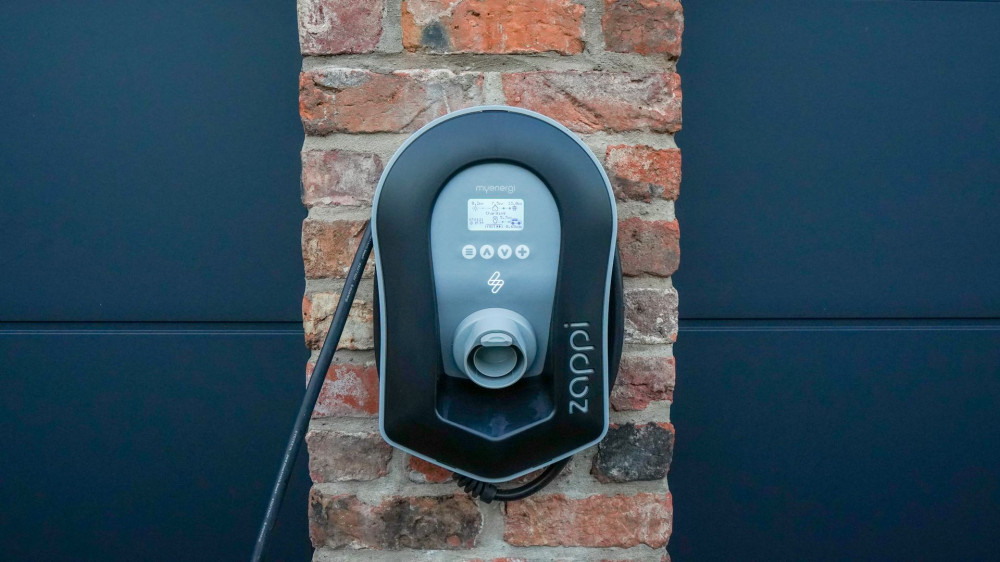
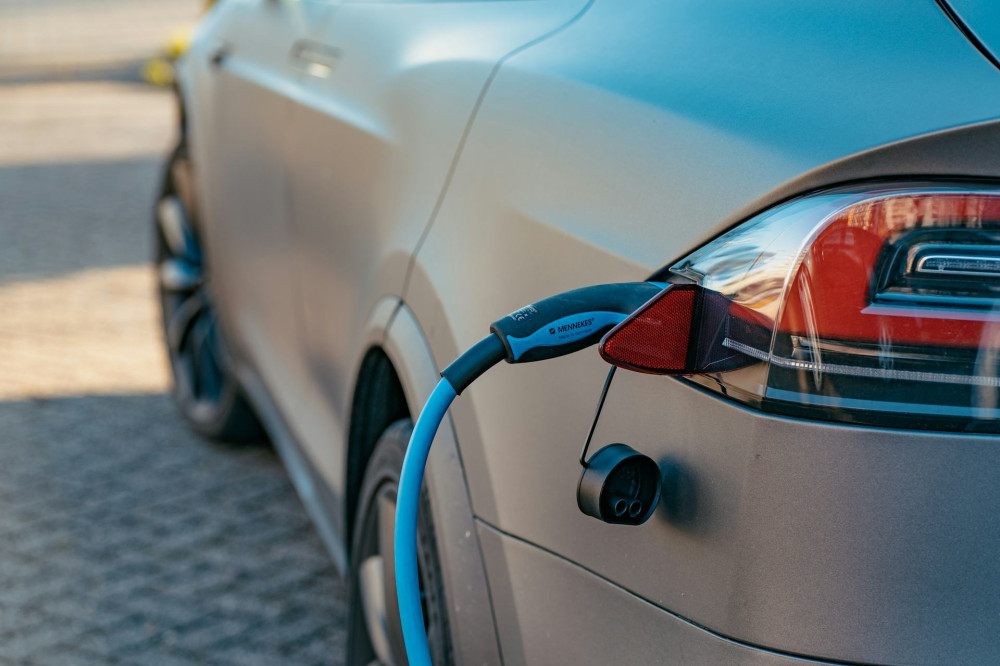
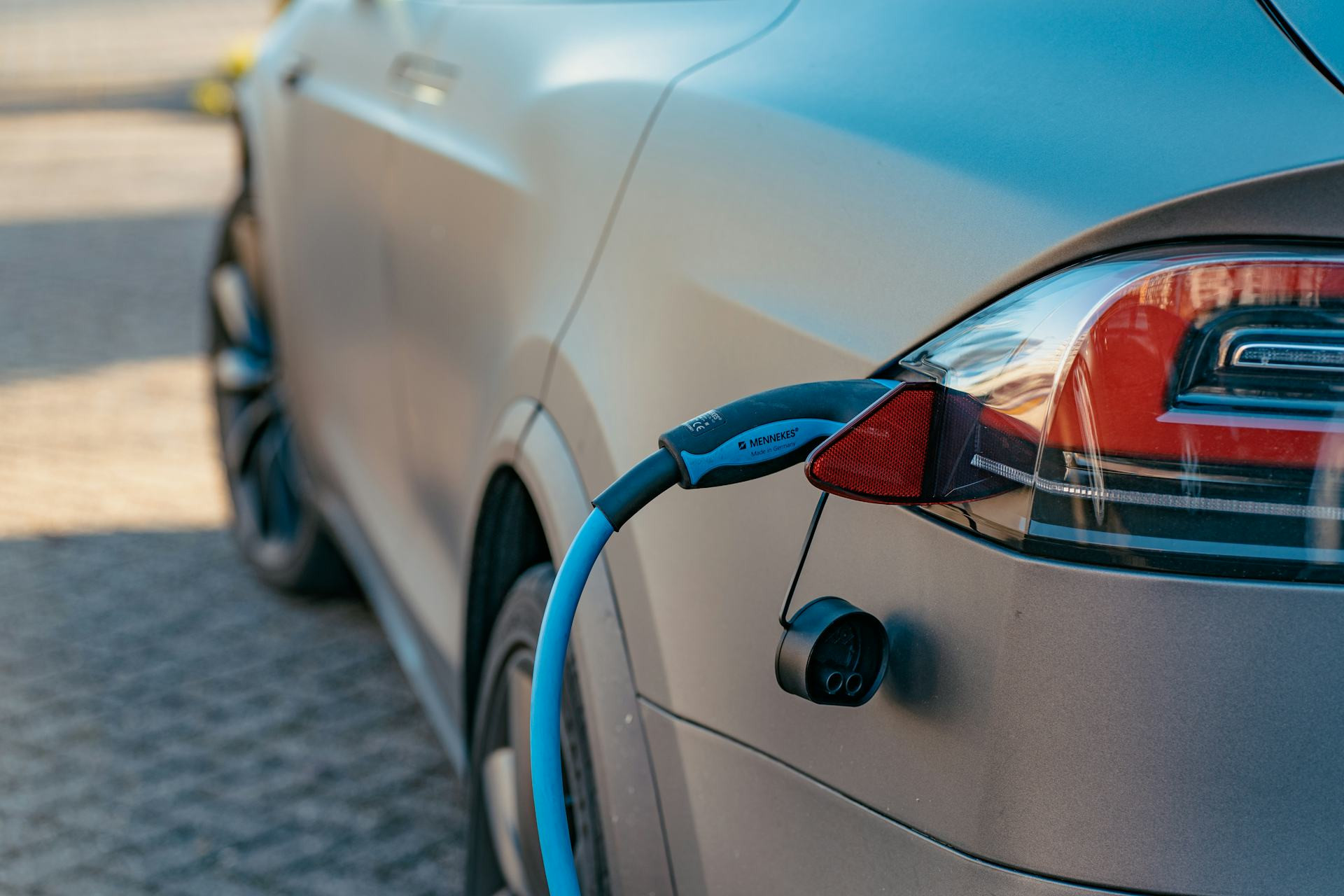
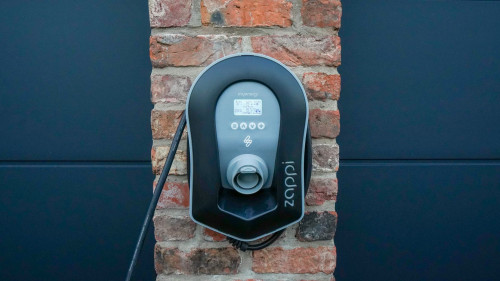
When winds are strong, turbines can produce more electricity than needed. In those times, grid operators may store the excess energy in large-scale batteries or use it to power flexible loads like electric vehicle charging stations. When the wind slows down, the grid draws on stored energy or other generation sources to keep supply steady.
Across the U.S., utilities and grid operators are investing in smarter, more flexible systems that can respond in real time to changes in wind production. Technologies like demand response, energy storage, and advanced forecasting are helping to make wind a more reliable part of the energy mix.
Læs også:

Offshore Wind: The Next Frontier
Some of the most exciting developments in American wind energy are happening offshore. Winds over the ocean are stronger and more consistent, and offshore turbines can be built much larger than those on land.
Projects like Vineyard Wind off the coast of Massachusetts and planned developments along the East Coast are paving the way for a new era of clean energy. Floating turbine technology is also emerging, allowing wind farms to be placed in deeper waters off California and the Pacific Northwest, where winds are even more powerful.
A single offshore turbine can now generate enough electricity to power thousands of homes, making offshore wind a key player in the nation’s renewable energy future.
From Green Power to Everyday Life
By the time wind-generated electricity reaches your home, it’s part of a vast, interconnected system that keeps America running. That clean power charges electric vehicles, heats homes with heat pumps, and drives the machinery of modern industry.
For consumers, this means that a growing share of the electricity they use comes from renewable sources. Combined with energy-efficient appliances and smart home technologies, wind power helps make everyday living more sustainable.
A Changing Energy Landscape
Wind energy is no longer a niche technology—it’s a cornerstone of America’s clean energy transition. With federal and state goals aiming for carbon neutrality in the coming decades, wind power will play an even greater role in reducing emissions and strengthening energy independence.
But this transformation requires more than just turbines. It calls for modernized grids, expanded storage capacity, and new ways of managing energy demand. The journey of wind energy—from turbine to power grid—is not just a technical process. It’s part of a broader shift toward a cleaner, more resilient energy future for all.
Læs også: