Green Contrast to Dark Furniture – How to Create It with Plants

Green Contrast to Dark Furniture – How to Create It with Plants
Dark furniture brings depth, sophistication, and a sense of calm to a home—but it can also make a space feel heavy if not balanced properly. Green plants are the perfect antidote. They add life, freshness, and color, creating harmony between the dark and the vibrant. In this article, you’ll find inspiration for how to use plants to create a welcoming and balanced home where dark furniture remains the elegant foundation.
Why Green Plants Complement Dark Furniture
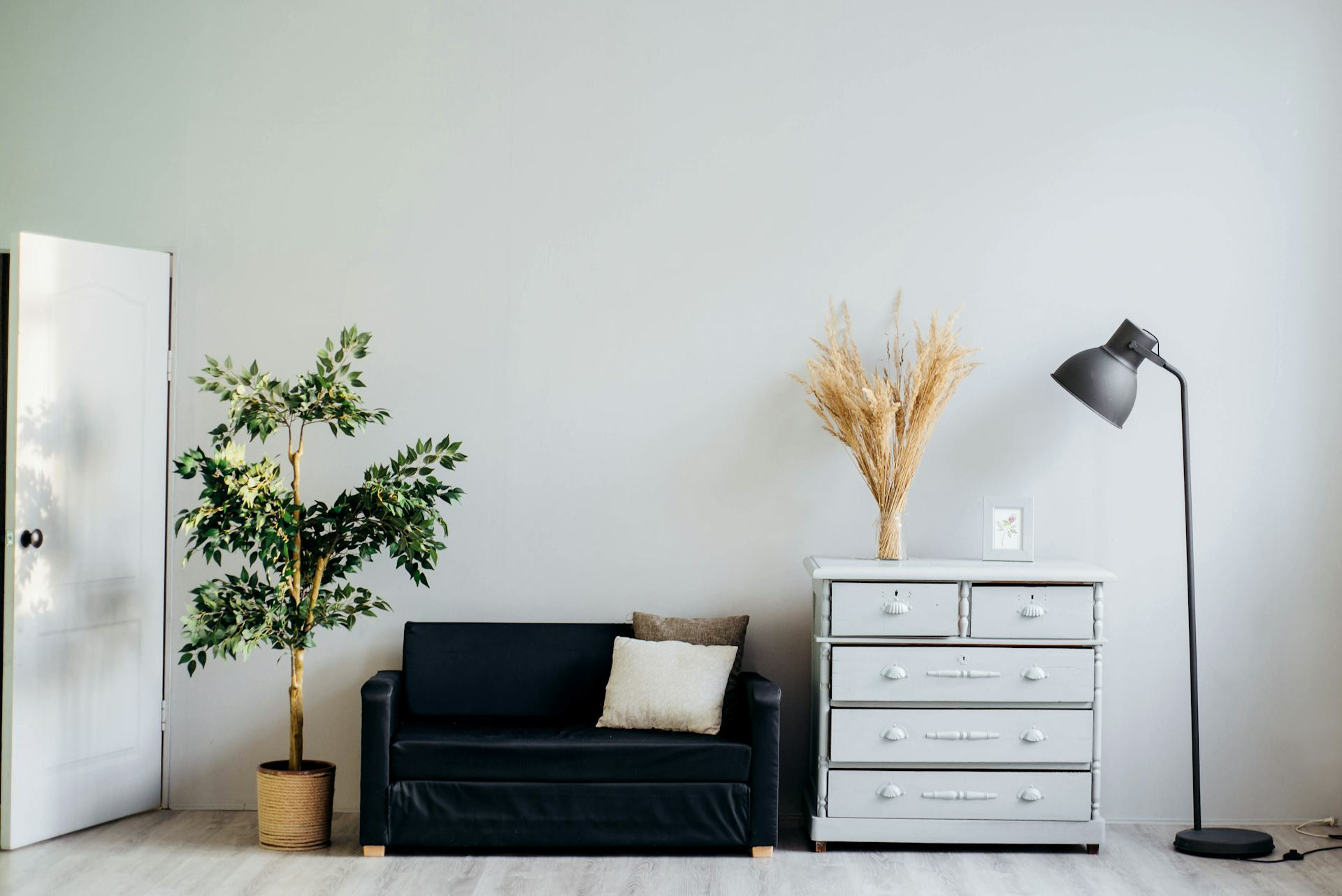
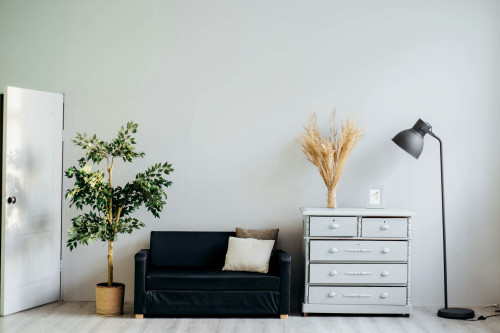
When you pair dark woods, black finishes, or deep-toned upholstery with lush greenery, you create a natural contrast that highlights both the furniture’s texture and the plants’ vivid hues. The green tones break up the heaviness and bring a sense of movement and vitality to the room.
Plants also act as visual breathing spaces in rooms dominated by dark elements. They reflect light, add texture, and introduce a sense of freshness that keeps the space from feeling closed in. On top of that, they improve air quality and boost well-being—making them more than just decoration.
Choose Plants with Strong Shape and Color
To stand out against dark furniture, choose plants with distinctive forms or striking foliage. Here are some great options:
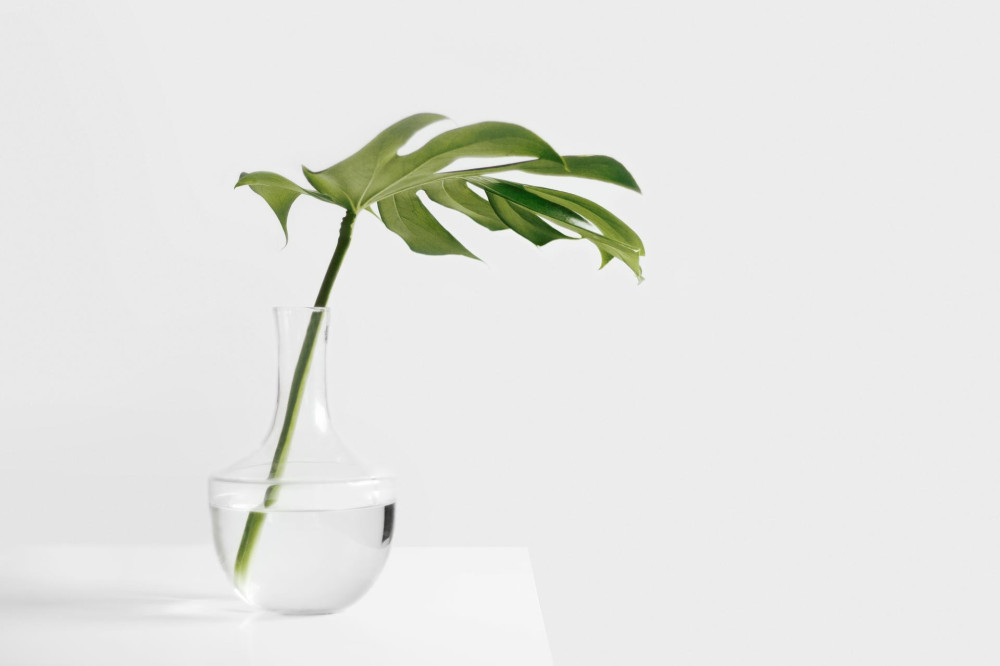
- Monstera deliciosa (Swiss cheese plant) – Its large, sculptural leaves create a bold, modern look that pairs beautifully with dark wood tones.
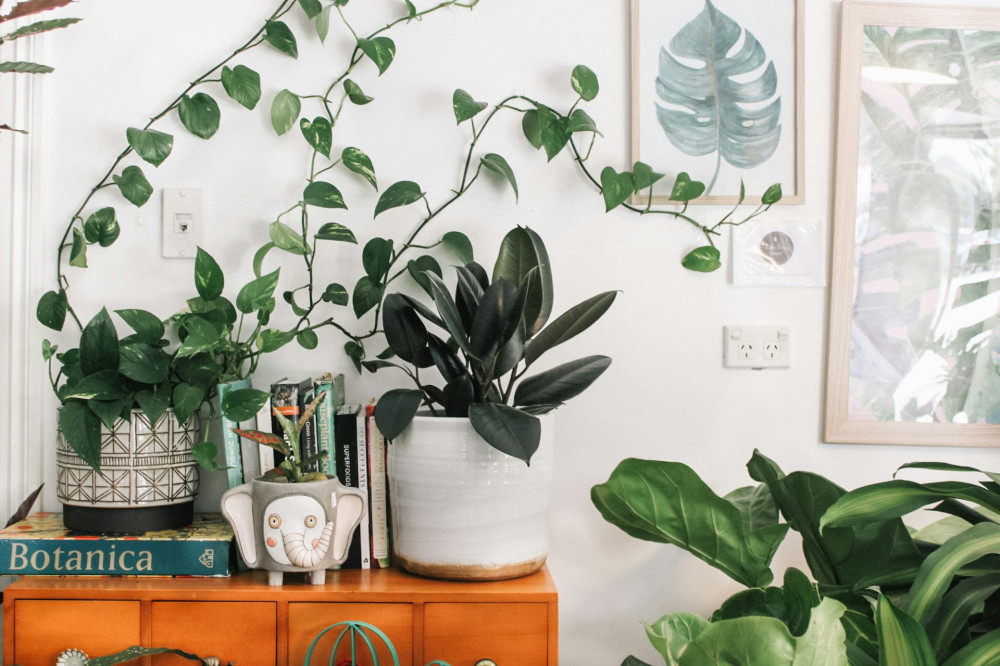
- Ficus elastica (rubber plant) – With glossy, deep-green leaves, it adds elegance and structure to rooms with black or walnut furniture.
- Calathea and Maranta (prayer plants) – Their patterned leaves bring detail and liveliness to otherwise uniform surfaces.
- Sansevieria (snake plant) – Its upright, architectural lines add height and rhythm to your décor.
- Pilea or Peperomia – Compact plants with round leaves that soften shelves, desks, or side tables.
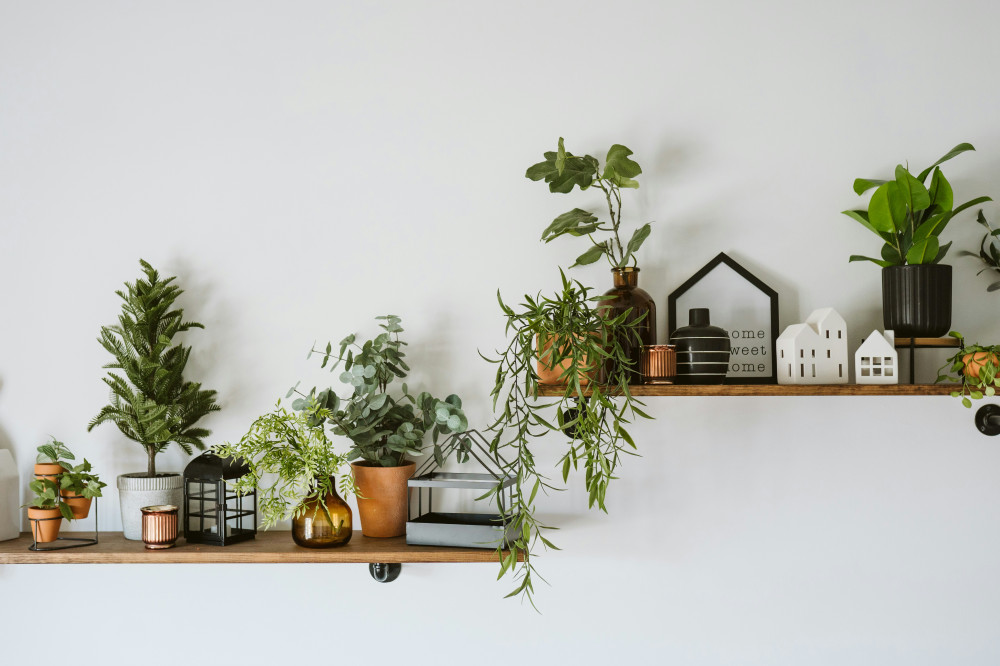
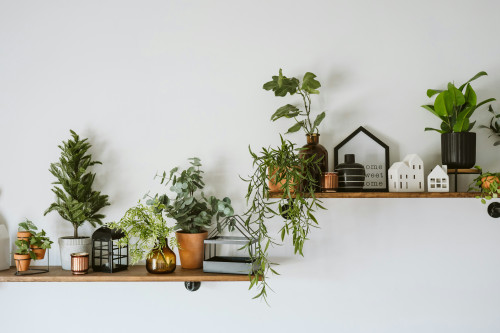
Mixing plants of different heights and shapes—tall, trailing, and compact—creates a more dynamic and balanced composition.
Læs også:
Use Light Strategically
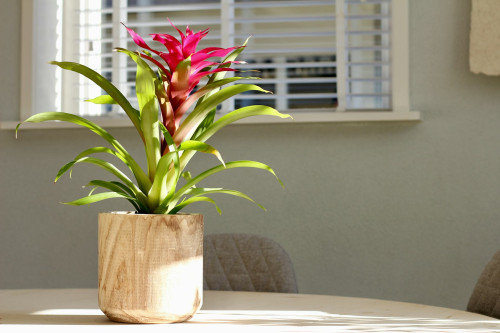
Dark furniture absorbs light, so it’s important to think about where you place your plants. Position them near windows where they can soak up natural daylight, or use warm, diffused artificial lighting to highlight their green tones.
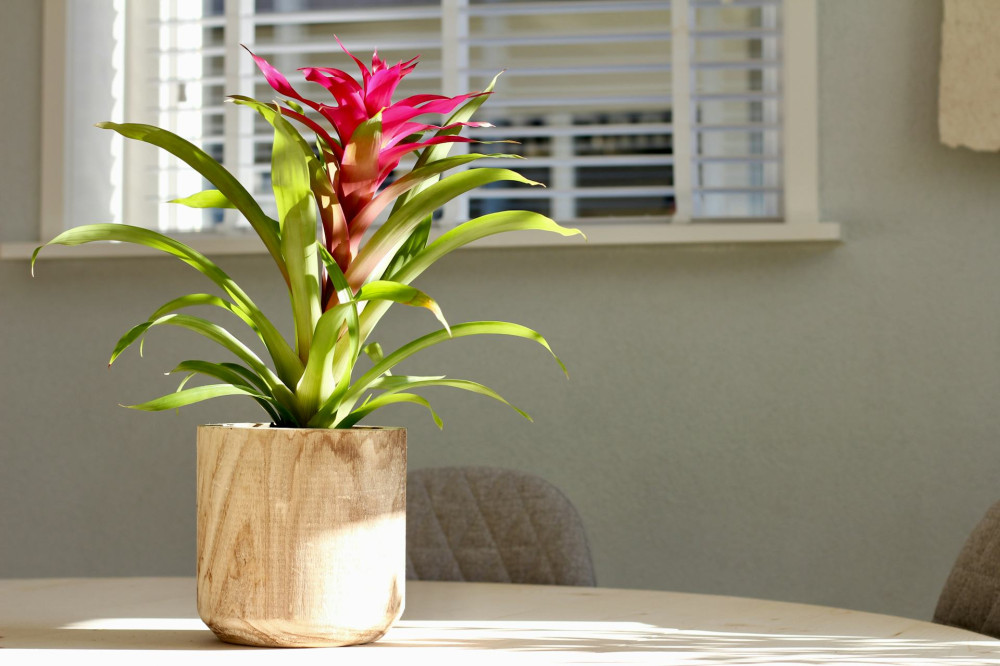
A good trick is to place plants where light hits them at an angle—this makes the leaves glow and adds depth to the room. In darker corners, a tall plant like a fiddle-leaf fig or a parlor palm can balance the space and draw the eye upward.
Create Contrast with Pots and Planters
Planters play a big role in the overall look. To contrast dark furniture, choose light, matte finishes in ceramic, concrete, or terracotta. For a more refined feel, go for metallic tones like brass or soft greens that echo the plants’ natural colors.
You can also tie the room together by repeating accent colors from pillows, rugs, or artwork in your planters. This creates a cohesive and intentional design.
Plants as Natural Room Dividers
In open-plan spaces, plants can help define zones without closing off the room. A row of tall plants behind a sofa or next to a dark cabinet can act as a living wall, adding privacy and softening hard lines.
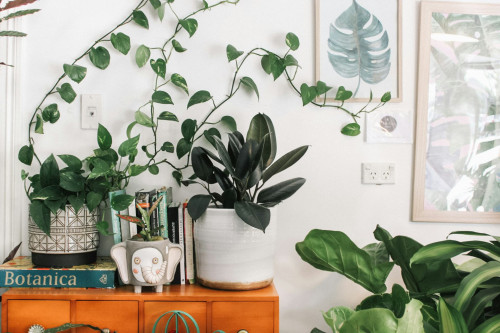
Hanging plants like pothos or ivy can also bring movement and lightness to the space. Their cascading leaves break up dark surfaces and add a touch of nature that feels effortless and organic.
Maintenance – Keeping It Green and Fresh
To keep your plants thriving, choose species that match your home’s light conditions. For lower-light rooms, consider hardy options like the ZZ plant, cast-iron plant, or peace lily.
Dust leaves regularly—especially in rooms with dark furniture, where dust is more visible. Use a damp cloth or soft brush to keep leaves clean and shiny.
Water sparingly and feed your plants lightly during the growing season. Healthy plants will continue to bring freshness, color, and balance to your interior.
Green Harmony in Dark Surroundings
Combining dark furniture with green plants is all about balance. The dark tones provide grounding and elegance, while the plants bring life and lightness. Together, they create a home that feels both sophisticated and natural—a space where contrast becomes harmony.
With the right mix of plants, lighting, and materials, even the darkest room can be transformed into a vibrant, inviting environment where nature takes center stage.
Læs også: