Large Plants Create Privacy in Open Spaces

Large Plants Create Privacy in Open Spaces
Open floor plans have become a hallmark of modern American homes and workplaces. They offer light, flexibility, and a sense of connection—but they can also leave us craving a bit of privacy and calm. Large plants can help bridge that gap. More than just decorative accents, they act as living partitions that soften sound, define space, and bring a touch of nature into open environments.
Green Dividers with Purpose and Style
Strategically placed large plants can separate areas without closing them off. A row of tall potted plants can mark the boundary between a dining area and a living room, or create a natural screen around a home office desk.
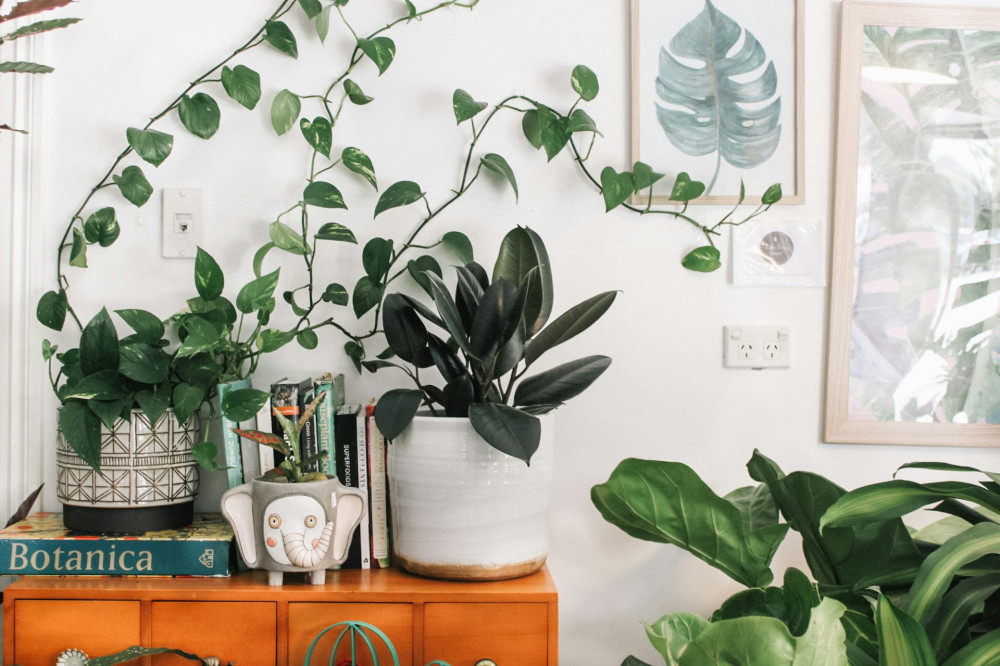
Popular choices include rubber plants (Ficus elastica), fiddle-leaf figs (Ficus lyrata), and areca palms (Dypsis lutescens). These species grow tall and have dense foliage that provides a sense of enclosure without feeling heavy. Their organic shapes and lush greenery add warmth and texture to otherwise open spaces.
Privacy Without Walls
Instead of building partitions or installing screens, plants offer a flexible and dynamic solution. They can be rearranged, grow over time, and adapt to changing needs. In a home, a cluster of plants around a sofa can create a cozy nook; in an office, they can give employees a sense of separation and focus.
Plants also have a psychological effect. The presence of greenery helps people feel more relaxed and secure. Natural elements signal calm and balance—qualities that are especially valuable in busy households or shared workspaces.
More Than Decoration: Sound and Air Benefits
Large plants do more than provide visual privacy. Their leaves and branches can absorb and diffuse sound, improving acoustics in rooms with hard surfaces. This can make open-plan offices, lofts, and large living areas feel quieter and more comfortable.
They also contribute to better indoor air quality. Plants absorb carbon dioxide, release oxygen, and can help regulate humidity. Some species, such as peace lilies (Spathiphyllum) and Boston ferns (Nephrolepis exaltata), are known for filtering certain airborne pollutants, making them both beautiful and functional additions to any space.
Choosing the Right Plants
When selecting plants to create privacy, consider their size, growth pattern, and maintenance needs. Here are a few tips:
- Match plants to your light conditions. Many large plants need bright, indirect light, but some—like ZZ plants (Zamioculcas zamiifolia) and monsteras (Monstera deliciosa)—tolerate lower light levels.
- Group plants for impact. Several medium or large plants together create a stronger visual barrier than a single specimen.
- Vary pot heights and textures. Using planters of different sizes and materials adds depth and helps tailor the level of screening.
- Plan for upkeep. Some plants need regular pruning to maintain their shape, while others are low-maintenance and forgiving.
Læs også:
Inspiration for Home and Office
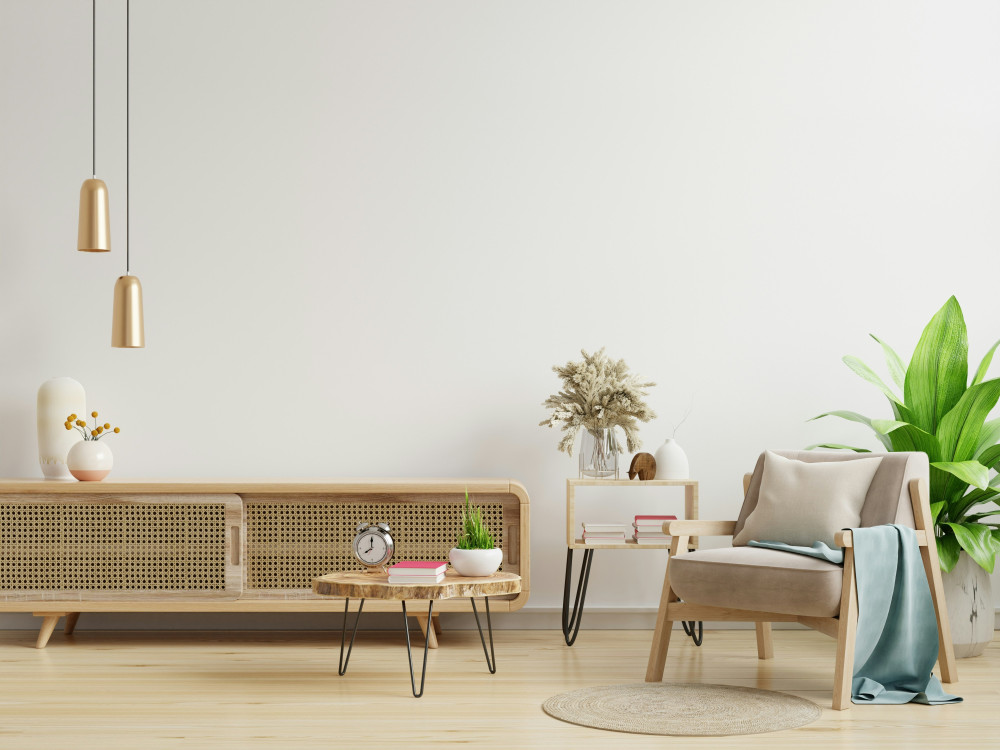
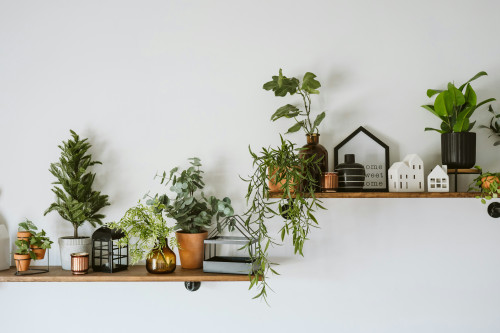
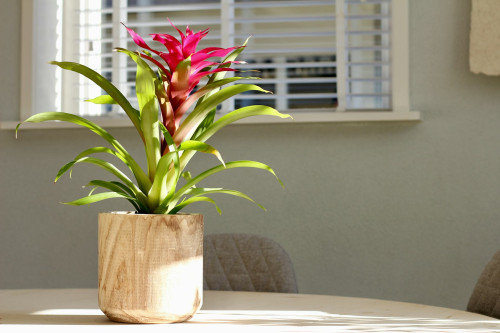
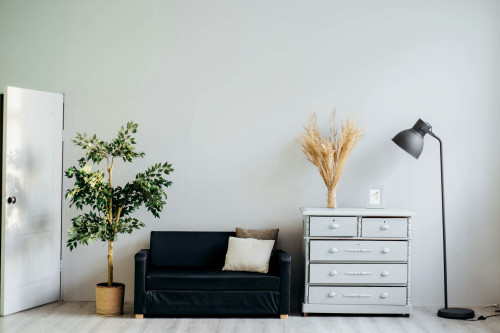
In homes, large plants can define cozy zones: a green wall behind the dining table, a palm cluster in a living room corner, or a line of tall plants separating a sleeping area in a studio apartment. In offices, they can be placed between desks or in communal areas to create structure and a sense of calm.
Many U.S. companies are embracing biophilic design—integrating natural elements into workspaces—to boost employee well-being. Studies show that plants can reduce stress, improve concentration, and enhance overall satisfaction, all while making interiors more inviting.
A Natural Solution with Big Impact
Large plants offer a simple yet powerful way to create privacy in open spaces. They combine function and beauty, and they can complement any style—from sleek and modern to lush and eclectic. Whether you’re decorating a small apartment or designing a spacious office, green dividers bring tranquility and definition without sacrificing openness.
Læs også: