Minimalist Decor with Green Plants

Minimalist Decor with Green Plants
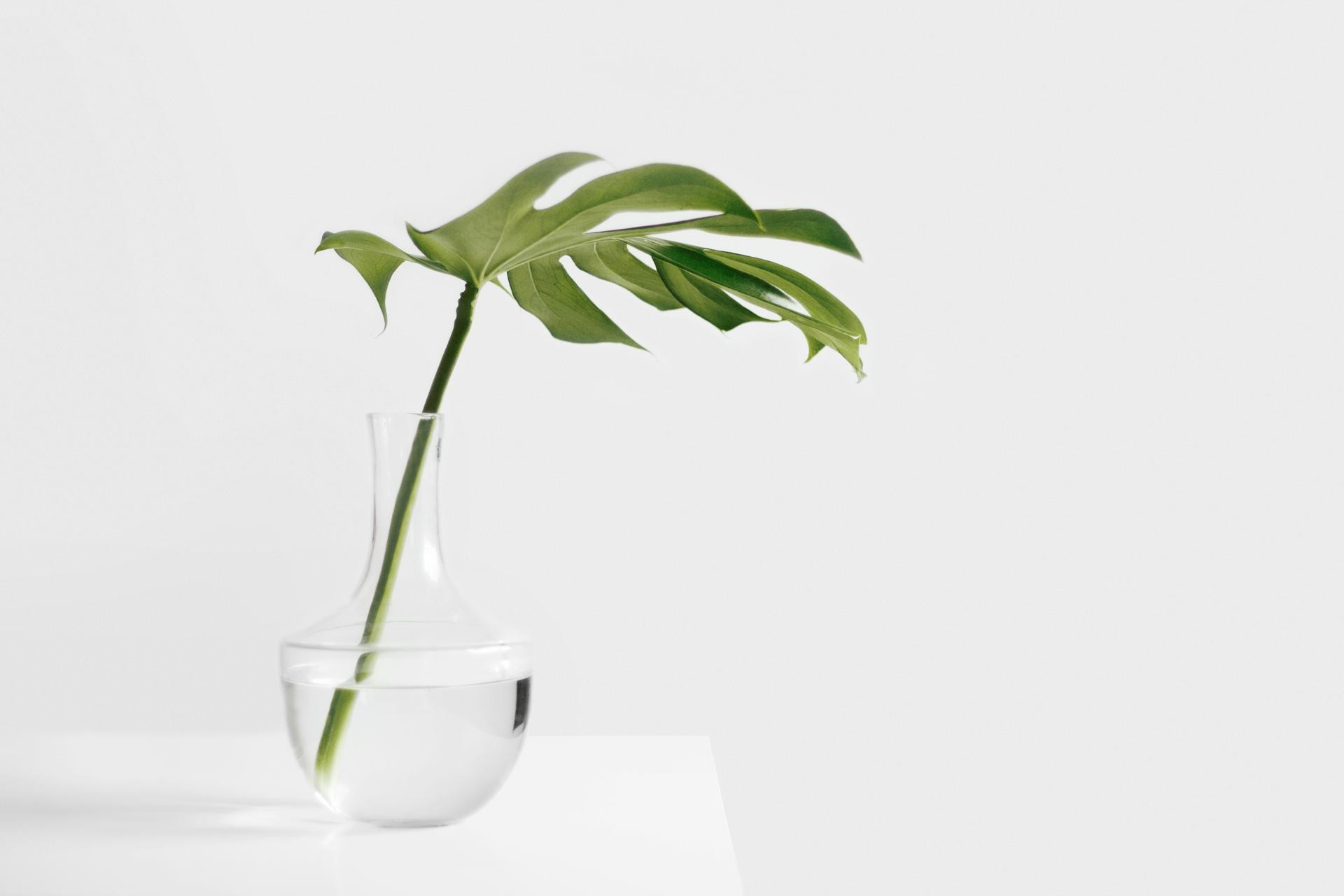
Minimalism is about creating calm, balance, and functionality in your home — but that doesn’t mean it has to feel cold or empty. Green plants are the perfect way to bring warmth and life into a minimalist space. They add freshness, texture, and a natural focal point without disturbing the clean aesthetic. Here’s how to use plants as an integral part of a minimalist home.
Plants as Natural Design Elements
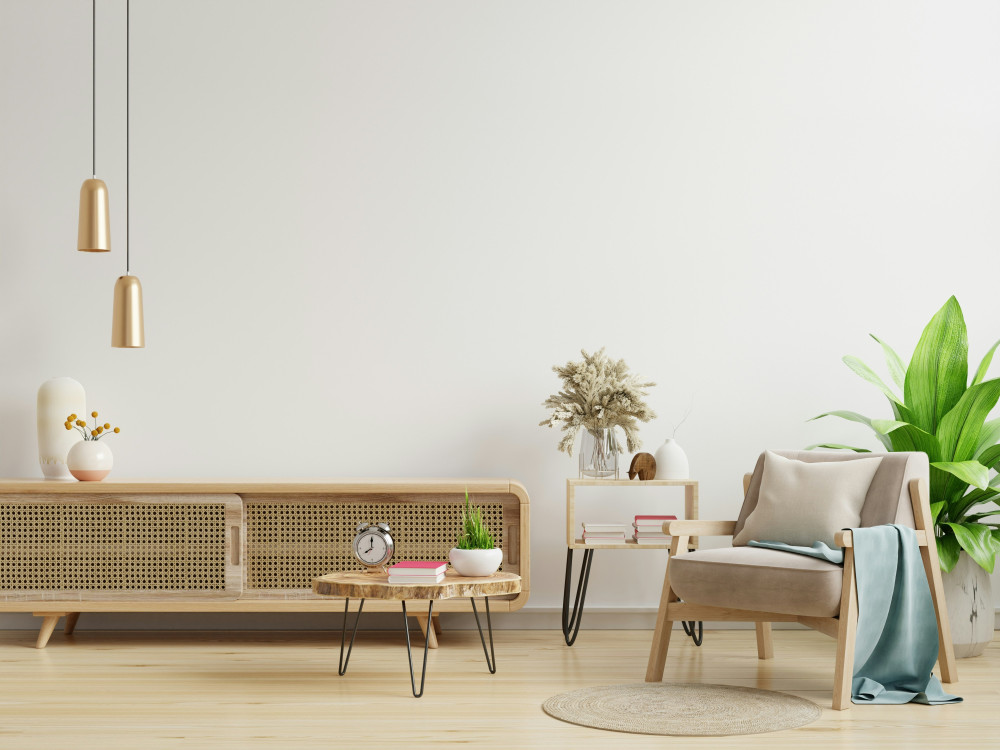
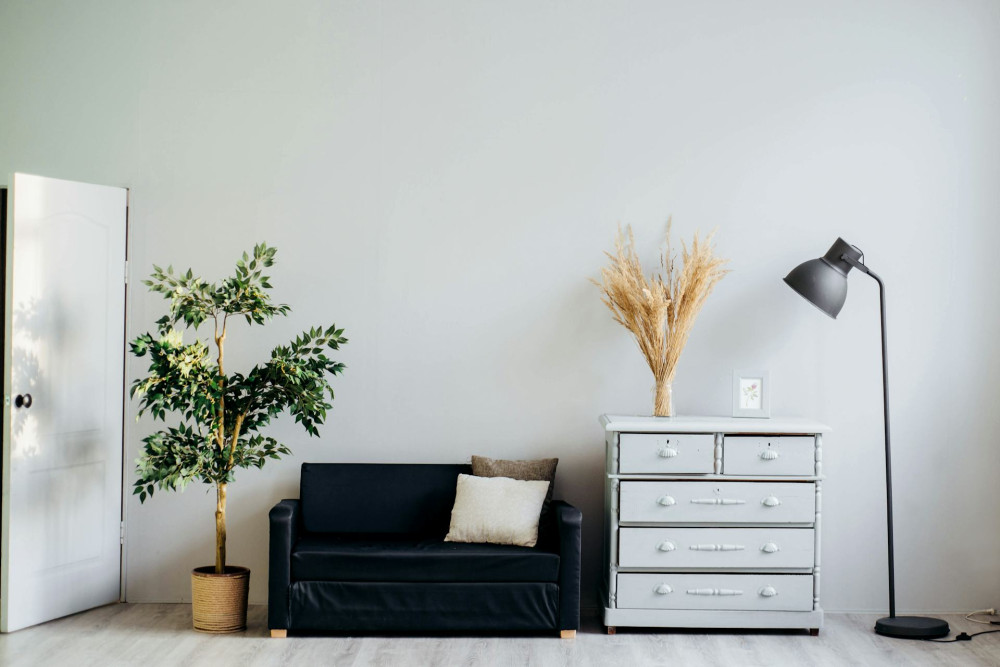
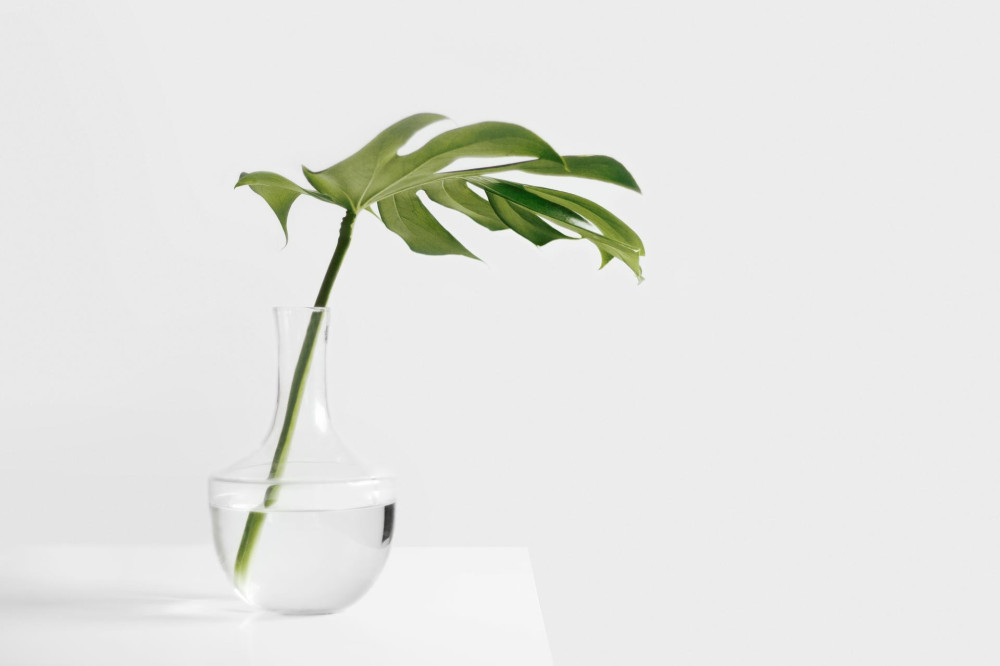
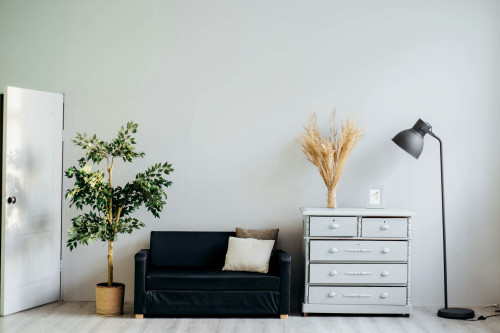
In a minimalist home, every object has a purpose. Plants should therefore be more than decoration — they should be part of the overall design. Choose a few striking plants that complement the proportions and colors of the room. A tall fiddle-leaf fig in a bright corner or a single olive tree in a clay pot can create a serene yet lively atmosphere.
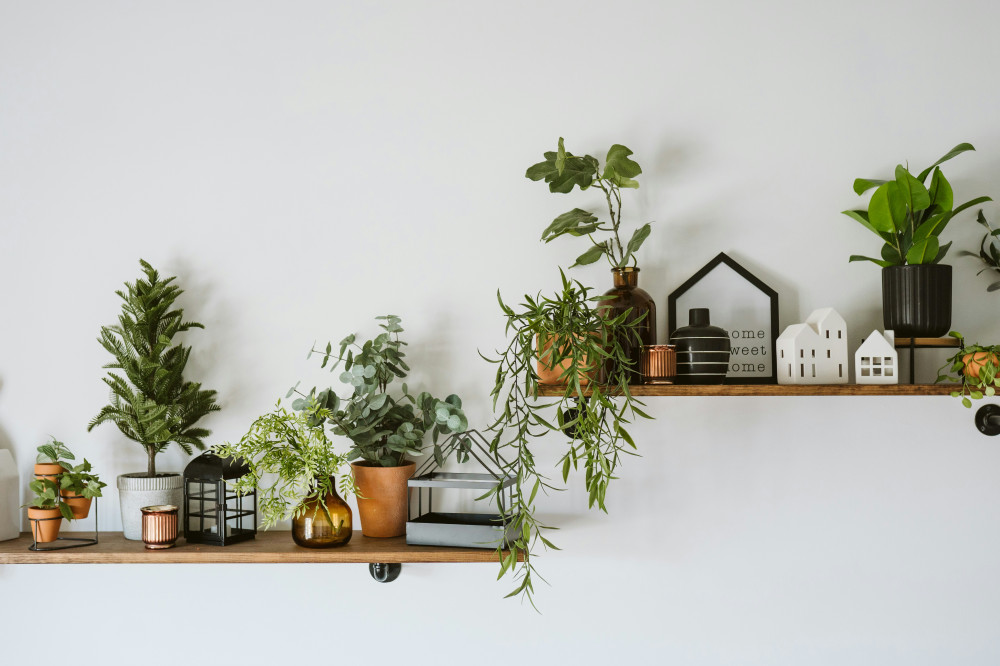
Avoid crowding windowsills and shelves. Minimalism is about space and balance — let your plants “breathe.” This not only makes them look better but also enhances their presence in the room.
Choosing the Right Plants for the Style
When decorating in a minimalist way, it’s important to select plants that support the clean, uncluttered look. Here are some great options:
- Snake plant (Sansevieria) – sleek, architectural, and nearly indestructible.
- Fiddle-leaf fig (Ficus lyrata) – large sculptural leaves that add character.
- ZZ plant (Zamioculcas zamiifolia) – glossy, elegant, and tolerant of low light.
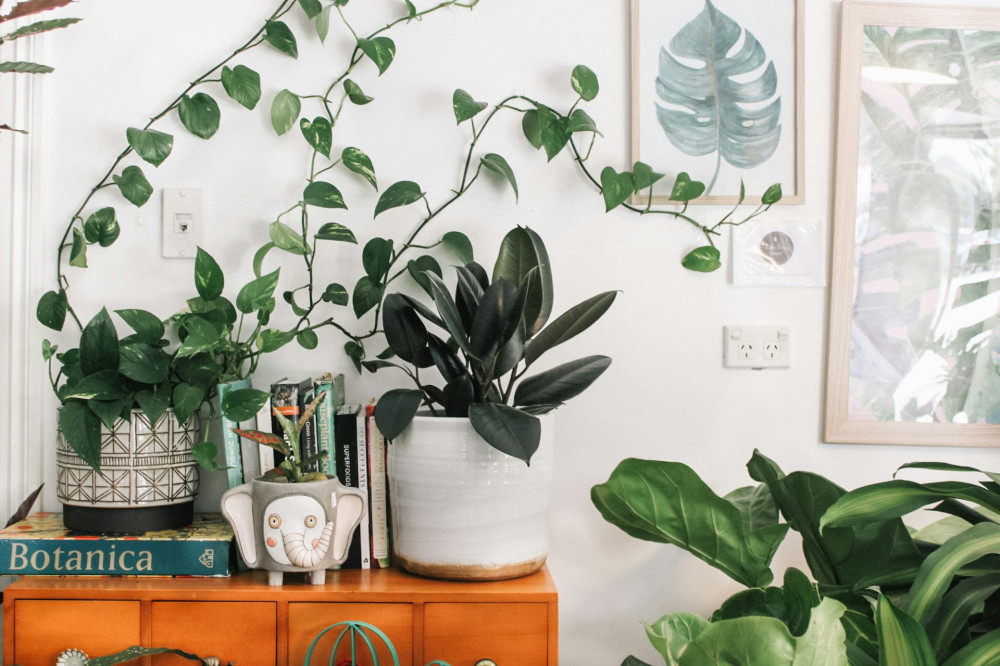
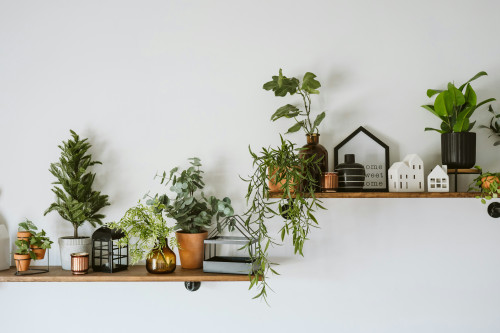
- Pothos or philodendron – simple trailing plants that add softness to shelves.
- Succulents and cacti – perfect for small spaces and easy to maintain.
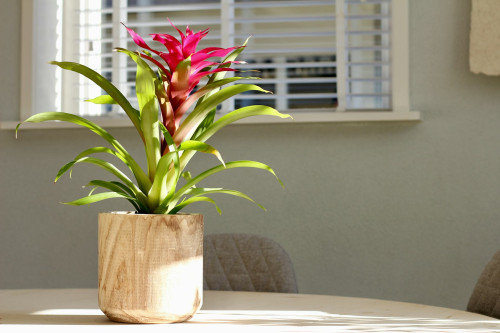
Keep the color palette calm: shades of green paired with white, gray, or earthy-toned pots create harmony and reinforce the minimalist aesthetic.
Læs også:
Pots and Materials as Part of the Design
In minimalist decor, materials matter. Choose pots made from natural materials like clay, concrete, ceramic, or matte metal. Avoid overly decorative patterns or bright colors — they can disrupt the simplicity of the space.
A good design trick is to repeat materials throughout the room. For example, if you have a concrete countertop, a concrete planter can tie the look together. This repetition creates visual unity and makes the plants feel like a natural extension of the room’s design.
Balancing Light and Greenery
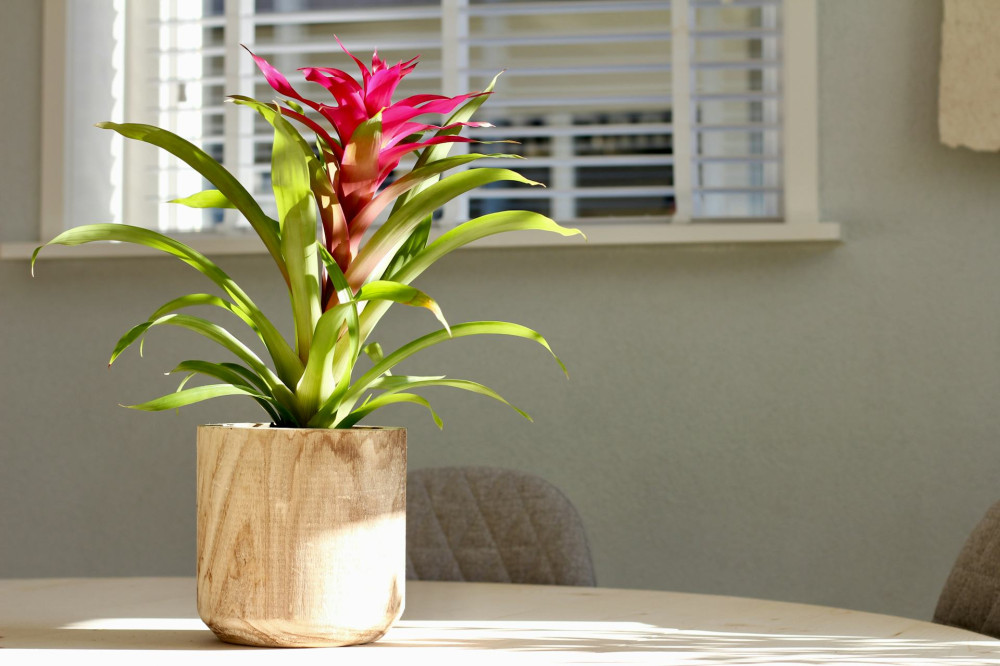
Plants thrive in natural light, but in minimalist homes with large windows and open layouts, placement can be key. Observe how sunlight moves through your space during the day and position plants where they’ll receive the right amount of light while maintaining visual balance.
Hanging plants like string of pearls or ivy can add life at higher levels, while floor plants bring grounding and structure. Use plant stands made of wood or metal to vary height and create a light, airy composition.
Care with Simplicity
Minimalism also means simplicity in daily life. Choose plants that fit your lifestyle and schedule. Many green plants need only moderate watering and occasional attention. A consistent routine — such as watering every one to two weeks — keeps them healthy with minimal effort.
Wipe the leaves regularly to remove dust and keep them glossy. This small act not only benefits the plants but also enhances the clean, well-kept look that defines minimalist interiors.
Green Plants for Calm and Well-Being
Beyond aesthetics, plants contribute to a healthier indoor environment and a sense of tranquility. They absorb noise, purify the air, and reconnect us with nature — something many people crave in a busy, digital world. In a minimalist home, plants become more than decoration; they’re a source of well-being and balance.
A Home with Life — Without Excess
Minimalist decor with green plants is about finding the perfect balance between simplicity and vitality. A few carefully chosen plants can transform your home, adding personality without disrupting the calm atmosphere. It’s proof that minimalism doesn’t have to feel sterile — it can be warm, green, and inviting.
Læs også: