Heat Pumps – Efficient Use of Natural Resources


Heat Pumps – Efficient Use of Natural Resources
Across the United States, more homeowners are turning to heat pumps as an energy-efficient and environmentally friendly way to heat and cool their homes. This technology takes advantage of the energy already present in nature—whether in the air, the ground, or nearby water—and converts it into usable heat. The result is a system that can significantly reduce both carbon emissions and energy bills.
How Does a Heat Pump Work?
A heat pump works much like a refrigerator, but in reverse. While a refrigerator removes heat from inside and releases it into the room, a heat pump extracts heat from the outside environment and transfers it indoors. It uses a small amount of electricity to power the process, but the amount of heat it delivers is typically three to five times greater than the energy it consumes.
There are three main types of heat pumps:
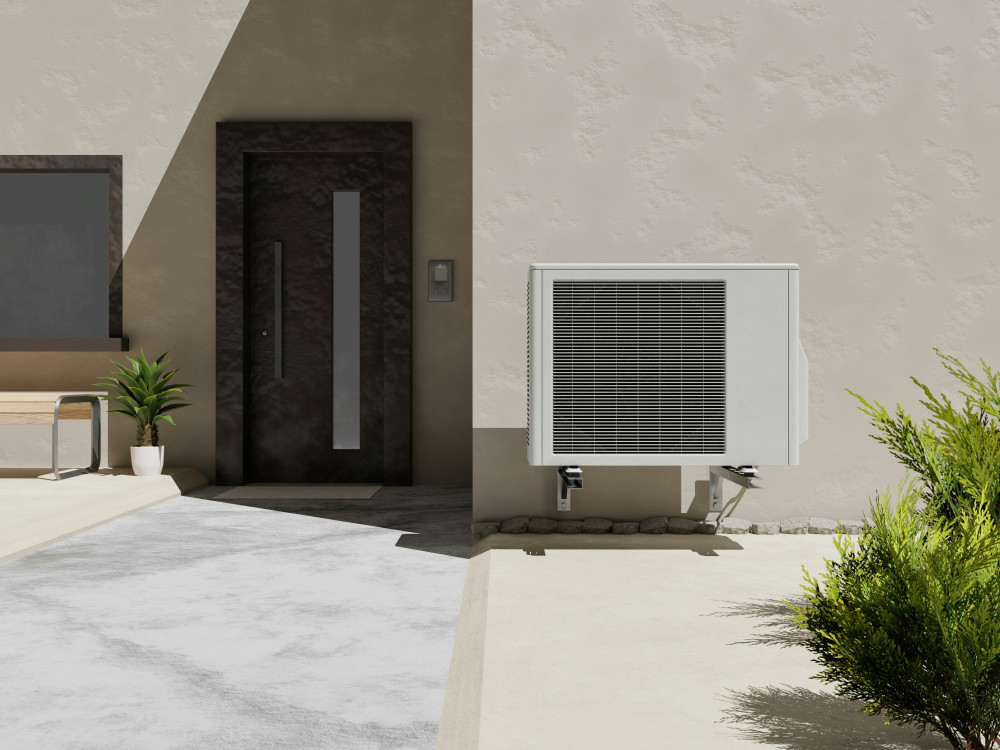
- Air-source heat pump – draws heat from the outdoor air and transfers it indoors. It can also reverse the process to provide cooling in summer, making it a versatile option for most climates.
- Ground-source (geothermal) heat pump – uses the stable temperature of the ground to provide heating and cooling. It requires buried loops and a higher upfront investment but offers exceptional efficiency and long-term savings.
- Water-source heat pump – extracts heat from a nearby water source such as a pond or well. It’s less common but can be highly efficient where conditions allow.
Læs også:


Benefits for Both the Environment and Your Wallet
One of the greatest advantages of heat pumps is their high efficiency. For every unit of electricity they use, they can deliver several units of heat energy. This means lower energy consumption and reduced heating costs compared to systems that rely on burning fuel.
Heat pumps also play a key role in reducing greenhouse gas emissions. When powered by electricity from renewable sources like wind or solar, they can provide nearly carbon-neutral heating and cooling. For homeowners looking to shrink their carbon footprint, a heat pump is one of the most effective solutions available.
In addition, heat pumps require little maintenance compared to traditional furnaces or boilers. There’s no fuel to store or burn, no chimney to clean, and no combustion by-products. This makes them a clean, convenient, and low-maintenance choice for modern homes.
What to Consider Before Installing
While heat pumps are efficient, choosing the right type and size for your home is essential. Air-source heat pumps are suitable for most homes, especially in regions with moderate climates. In colder areas, newer cold-climate models can still perform efficiently even when temperatures drop below freezing. Ground-source systems are ideal for homeowners with enough land and a long-term perspective, as they offer the best efficiency over time.
It’s also important to ensure your home is well insulated. A heat pump performs best in a well-sealed house where heat loss through walls, windows, and roofs is minimized. Many homeowners choose to combine a heat pump installation with energy upgrades such as improved insulation or new windows.
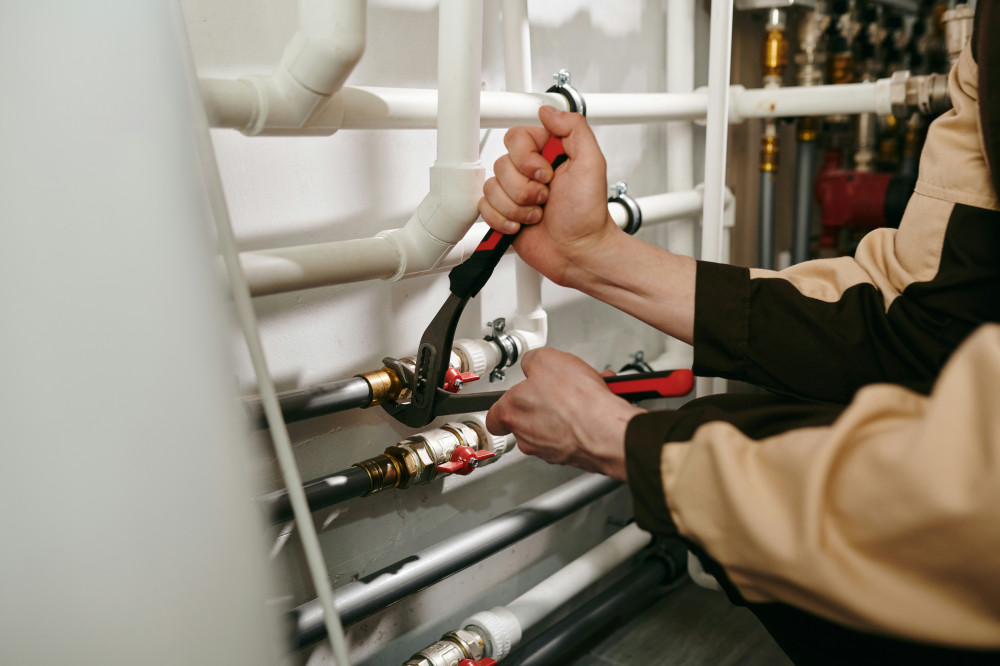
Finally, professional installation is crucial. A certified HVAC contractor can calculate your home’s heating and cooling needs, determine the best system size, and ensure proper setup for maximum efficiency and longevity.
Incentives and Financial Support
To encourage energy efficiency, many federal, state, and local programs in the U.S. offer incentives for installing heat pumps. The Inflation Reduction Act provides tax credits and rebates for qualifying systems, and some utility companies offer additional rebates or low-interest financing. These incentives can significantly reduce the upfront cost and make the investment more affordable.
Before starting your project, it’s wise to research available programs and confirm eligibility requirements. Many incentives require that the installation be completed by a licensed contractor and that the system meets specific efficiency standards.
An Investment in the Future
Although a heat pump requires an initial investment, it pays off over time—both financially and environmentally. You’ll enjoy comfortable indoor temperatures year-round, lower operating costs, and a home that’s better prepared for future energy challenges.
Heat pumps are a clear example of how modern technology can harness natural resources in a sustainable way. They combine comfort, efficiency, and environmental responsibility—empowering homeowners across the United States to take an active role in building a cleaner, greener future.
Læs også: