Know the Key Components of Your Domestic Water System

Know the Key Components of Your Domestic Water System
A reliable domestic water system is essential for comfort, convenience, and health in any home. It ensures that you have clean, safe water at the right temperature whenever you turn on a faucet or start a shower. But what exactly makes up this system, and how do the different parts work together? Here’s an overview of the key components that keep your home’s water flowing smoothly and safely.
What Is a Domestic Water System?
Your domestic water system is the network of pipes, valves, and equipment that delivers potable (drinkable) water throughout your home. It supplies both cold and hot water to fixtures such as sinks, showers, and appliances. The system is separate from your home’s heating system, though the two often interact—especially where water heaters or boilers are involved.
In most U.S. homes, water comes from a municipal supply, though some rural properties rely on private wells. Regardless of the source, the system must maintain proper pressure, temperature, and quality to ensure safe and efficient operation.
Læs også:


The Key Components
1. Water Supply Line and Main Shutoff Valve
Your home’s water supply begins at the point where the main line enters the house. This line connects either to the city’s water main or to your private well system. Just inside the entry point, you’ll find the main shutoff valve—a crucial control that allows you to stop all water flow in case of a leak or plumbing repair. Every homeowner should know where this valve is located and how to operate it.
2. Water Meter and Pressure Regulator
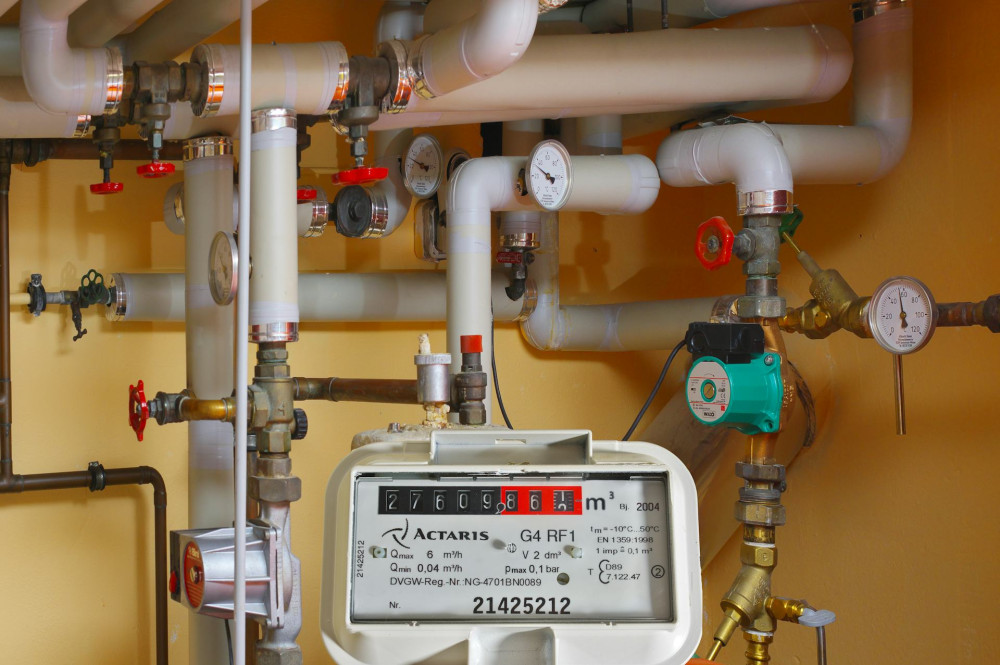
If you’re connected to a public water system, a water meter measures your household’s water usage for billing purposes. Nearby, a pressure regulator (or pressure-reducing valve) ensures that the incoming water pressure stays within a safe range—typically between 40 and 80 psi. Excessive pressure can damage pipes, fixtures, and appliances, so this small device plays a big role in protecting your plumbing.
3. Water Heater
The water heater provides the hot water you use for bathing, cleaning, and cooking. Common types include tank-style heaters, which store and maintain a set volume of hot water, and tankless (on-demand) heaters, which heat water only as it’s needed. Gas, electric, and hybrid models are all widely used in the U.S. Regular maintenance—such as flushing sediment from the tank and checking the temperature setting (typically around 120°F)—helps extend the heater’s life and improve efficiency.
4. Expansion Tank and Safety Devices
When water is heated, it expands. To prevent excess pressure from building up in a closed system, many homes have an expansion tank installed near the water heater. This small tank absorbs the extra volume and helps protect pipes and fittings. In addition, a temperature and pressure relief (T&P) valve on the water heater automatically releases water if pressure or temperature rises too high, preventing dangerous conditions.
5. Distribution Pipes and Fixtures
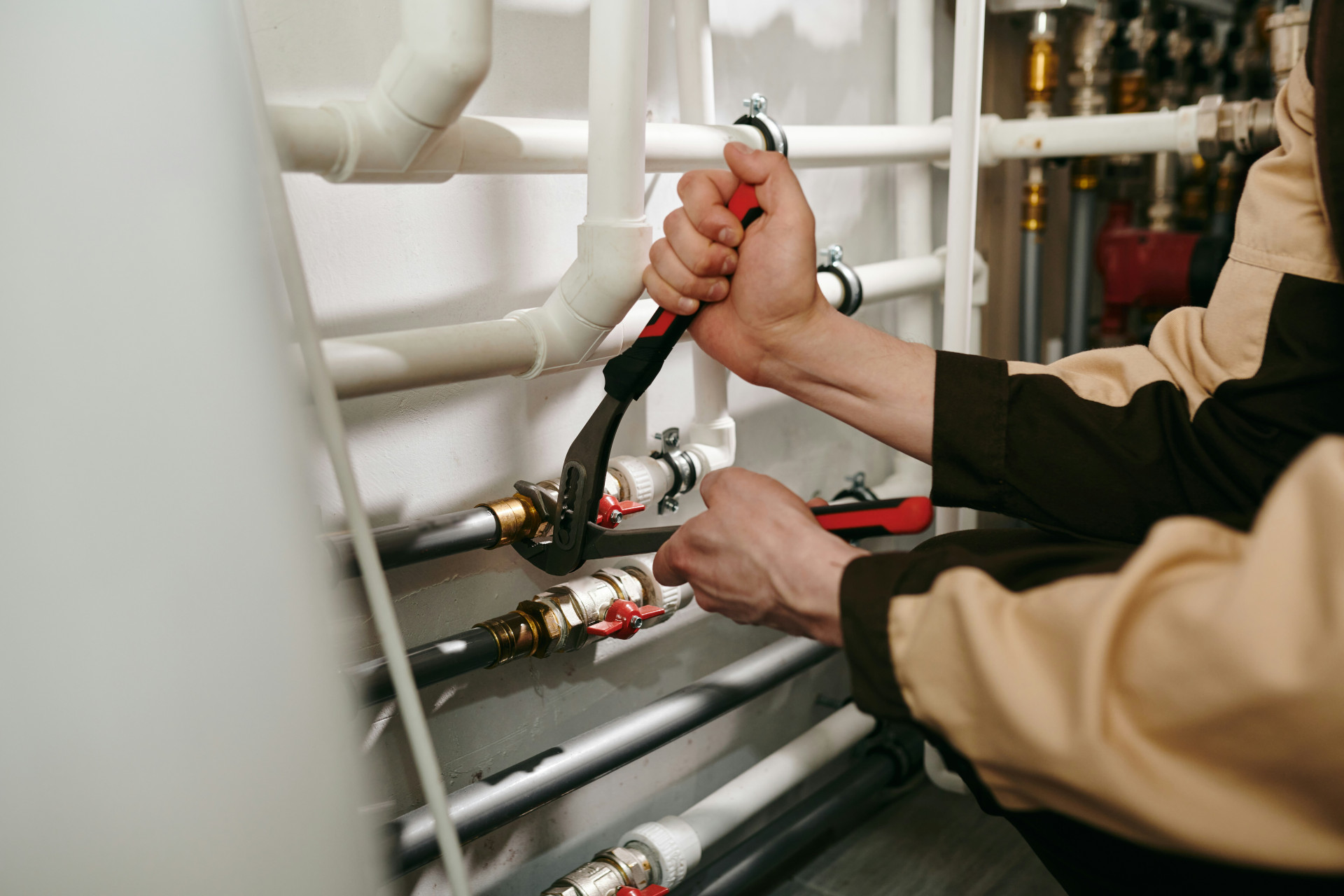
From the water heater and main supply line, water travels through a network of distribution pipes—usually made of copper, PEX, or CPVC—to reach every faucet, shower, and appliance. Proper pipe sizing and layout ensure consistent pressure and temperature throughout the home. At the fixtures, mixing valves or faucet controls blend hot and cold water to your desired temperature.
6. Water Filtration and Treatment
Many U.S. households use water filters or softeners to improve water quality. A whole-house filter can remove sediment, chlorine, or other contaminants, while a softener reduces hardness caused by calcium and magnesium. These systems not only enhance taste and safety but also help protect plumbing and appliances from scale buildup.
7. Drainage and Venting
Although technically part of the plumbing system rather than the supply side, the drainage and venting network is essential for carrying wastewater away safely. Proper venting prevents sewer gases from entering the home and ensures that drains flow freely. Together, the supply and drainage systems form the complete water infrastructure of your house.
Maintenance and Safety Tips
A domestic water system doesn’t require daily attention, but regular maintenance is key to preventing problems. Inspect visible pipes for leaks or corrosion, test your shutoff valves periodically, and flush your water heater once a year. If you have a well, schedule annual water quality testing. For municipal water users, check your local water quality report to stay informed about your supply.
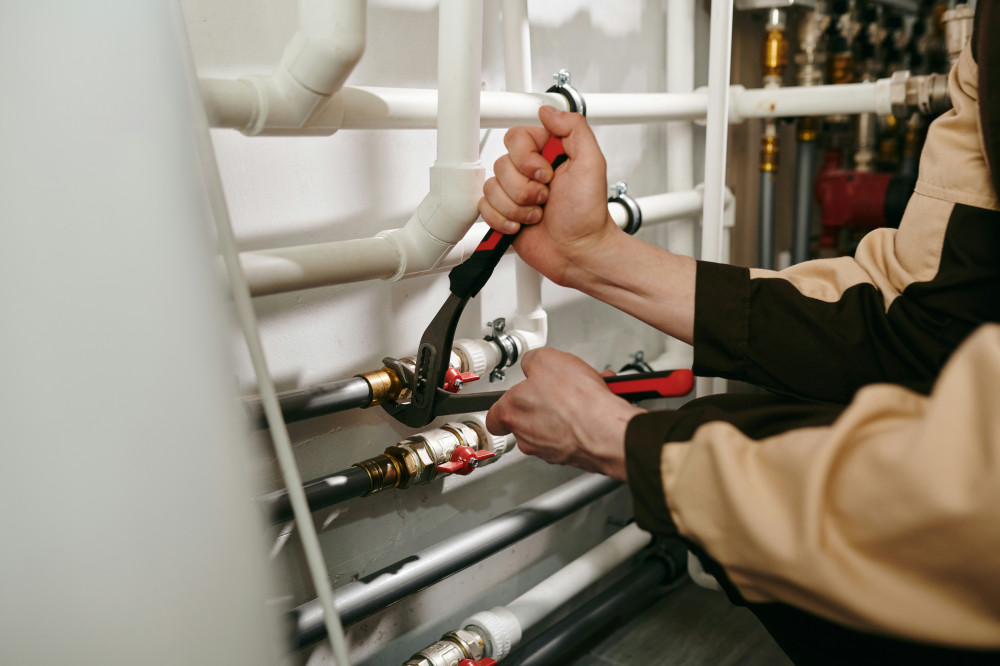
Keep an eye on water pressure—sudden changes can signal a problem—and address any signs of discoloration, odor, or unusual taste promptly. When in doubt, consult a licensed plumber to diagnose and correct issues before they cause damage.
A System Worth Understanding
Your home’s water system may be hidden behind walls and under floors, but it plays a vital role in your daily life. By understanding its main components and how they work together, you can better maintain your system, prevent costly repairs, and ensure a steady supply of clean, safe water for years to come.
Læs også: