Underfloor Heating for a Comfortable, Draft-Free Indoor Climate

Underfloor Heating for a Comfortable, Draft-Free Indoor Climate
A comfortable indoor climate is about more than just the number on the thermostat—it’s about how warmth is distributed throughout your home. Underfloor heating has become an increasingly popular choice in both new builds and remodels across the United States because it provides even, gentle warmth without cold spots or drafts. It’s also energy-efficient and visually appealing, eliminating the need for bulky radiators or baseboard heaters. Here’s why underfloor heating could be the key to a cozier, healthier home.
Even Heat and Lasting Comfort
One of the biggest advantages of underfloor heating is the way it delivers warmth. Instead of heat rising unevenly from vents or radiators, warmth radiates evenly from the entire floor surface. This creates a consistent temperature from floor to ceiling, so your feet stay warm and the air feels balanced throughout the room.
Because the heat is distributed so evenly, you can often lower your thermostat by a degree or two without sacrificing comfort. That can translate into noticeable energy savings—especially during long heating seasons in colder regions.
Hydronic or Electric Systems?
There are two main types of underfloor heating systems: hydronic (water-based) and electric. The right choice depends on your home’s design, energy source, and heating needs.
-
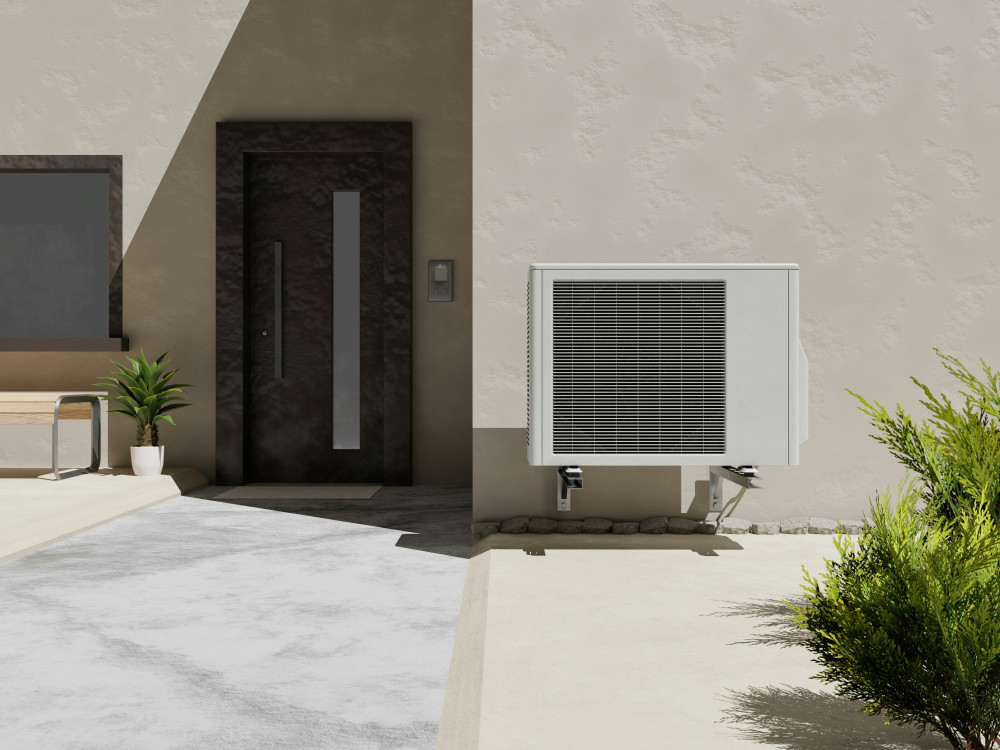
Hydronic underfloor heating uses warm water that circulates through flexible tubing beneath the floor. It’s typically connected to a boiler, heat pump, or solar thermal system. This option is highly energy-efficient and ideal for whole-house heating, particularly in new construction. It takes longer to heat up but maintains a steady, comfortable temperature once running.
-
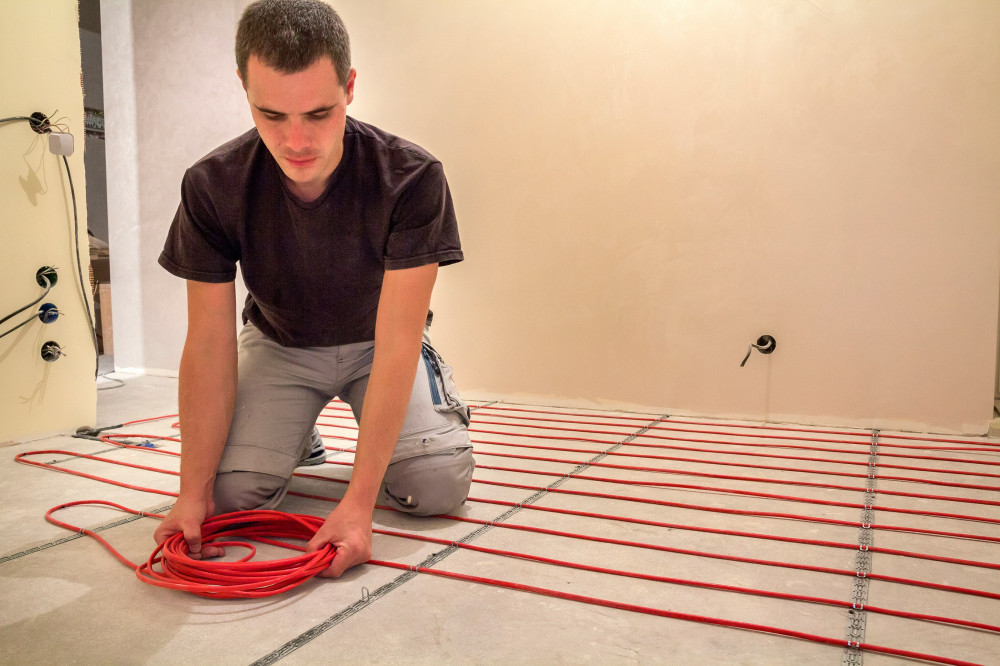
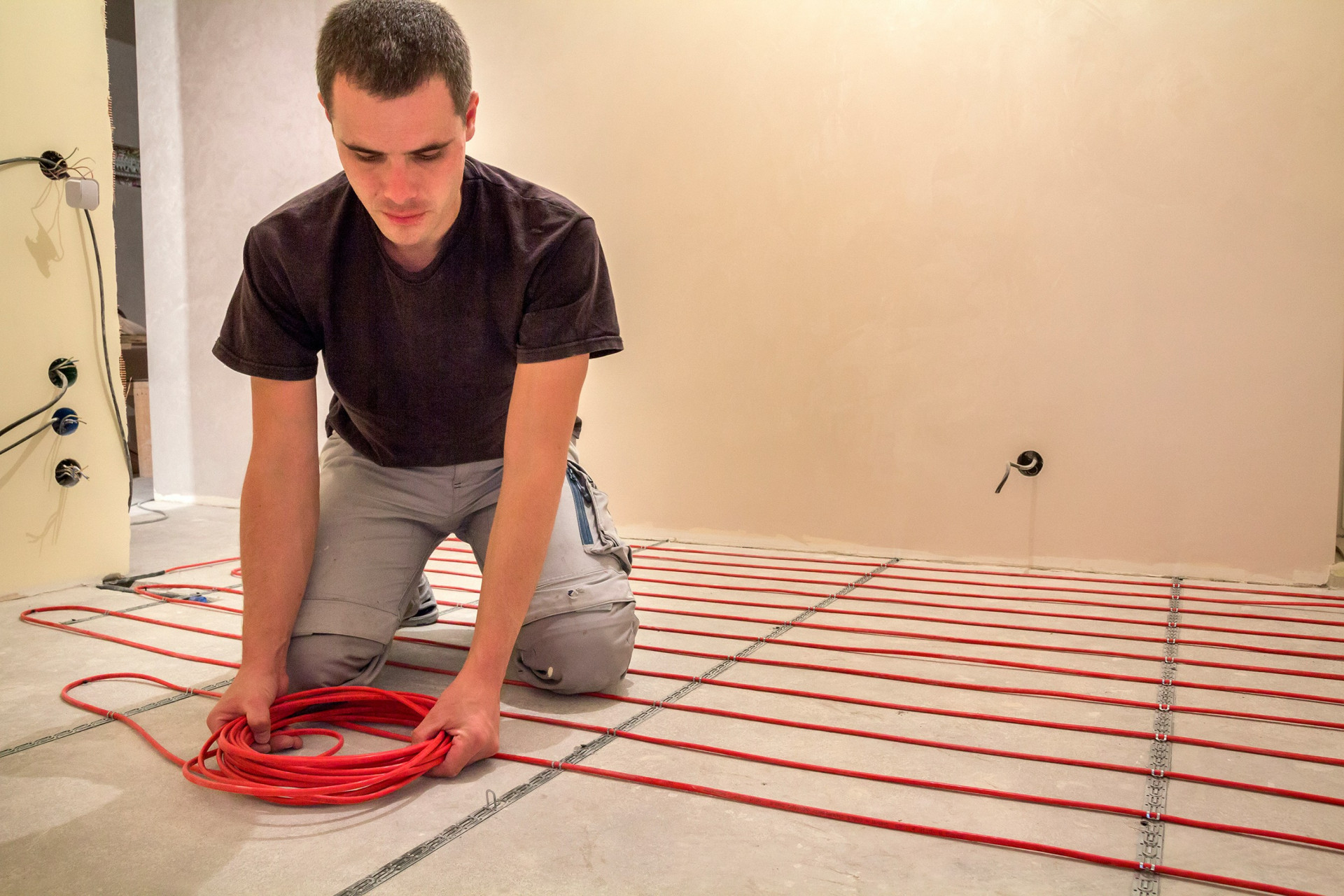
Electric underfloor heating uses heating cables or mats installed under the flooring. It’s easier and faster to install, making it a great choice for smaller spaces like bathrooms, kitchens, or additions. However, because it runs on electricity, it can be more expensive to operate as a primary heat source.
A Healthier, Draft-Free Indoor Environment
Underfloor heating doesn’t just make your home more comfortable—it can also improve indoor air quality. Traditional forced-air systems can stir up dust and allergens, while radiant floor heating warms the room without moving air around. This can be a real benefit for people with allergies or respiratory sensitivities.
The system also helps eliminate cold zones near windows and doors, reducing condensation and the risk of mold growth. The result is a stable, dry, and draft-free indoor environment that feels naturally comfortable.
Energy Efficiency and Sustainability
While installing underfloor heating requires an upfront investment, it can pay off over time through lower energy bills and increased efficiency. Because it operates at lower temperatures than conventional heating systems, it pairs perfectly with modern energy sources like heat pumps and solar panels. This makes it a smart choice for homeowners looking to reduce their carbon footprint and energy costs.
In new homes, underfloor heating is often integrated from the start, but it can also be retrofitted during renovations—especially when replacing flooring or upgrading heating systems.
Installation and Practical Considerations
Before installing underfloor heating, it’s important to consider your flooring type and insulation. Proper subfloor insulation is essential to prevent heat loss downward. Tile, stone, and vinyl floors conduct heat efficiently, while wood floors require lower operating temperatures to avoid drying or warping.
Modern thermostats and smart home controls make it easy to manage underfloor heating systems. You can program different zones, adjust temperatures remotely, and optimize energy use based on your daily routine.
Comfort, Design, and Future Value
Beyond comfort and efficiency, underfloor heating offers design freedom. Without visible radiators or vents, you gain more wall space and a cleaner, more open look. This makes it a popular choice in both contemporary and traditional interiors.
It’s also a future-ready investment. As energy efficiency standards rise and sustainable living becomes a priority, low-temperature heating systems like underfloor heating are becoming an integral part of modern home design.
Læs også:



Warmth Without Compromise
Underfloor heating combines comfort, aesthetics, and energy efficiency in a way that enhances everyday living. Whether you’re building a new home or upgrading an existing one, it’s a solution that can increase your home’s value while creating a healthier, more comfortable indoor climate. Warm floors underfoot aren’t just a luxury—they’re a smart, long-term investment in a cozy, draft-free home.
Læs også: