Avoid Damage to Walls and Ceilings During Painting

Avoid Damage to Walls and Ceilings During Painting
A fresh coat of paint can completely transform a room—but only if you take the right steps to protect your walls and ceilings during the process. Many homeowners end up with peeling paint, uneven surfaces, or splatters that ruin the final look. With proper preparation and technique, you can paint safely and efficiently without leaving behind any damage. Here’s a practical guide to help you protect your walls and ceilings while painting.
Preparation Is Key
Most painting mishaps happen because the prep work was rushed or skipped. Before you even open a paint can, take time to get the room ready.
- Cover everything thoroughly – Use drop cloths or painter’s plastic to protect floors and furniture. Apply painter’s tape along trim, baseboards, and edges to prevent splatters and uneven lines.
- Clean the surfaces – Dust, grease, and dirt can prevent paint from adhering properly. Wipe walls with a damp cloth or mild cleaner, and let them dry completely.
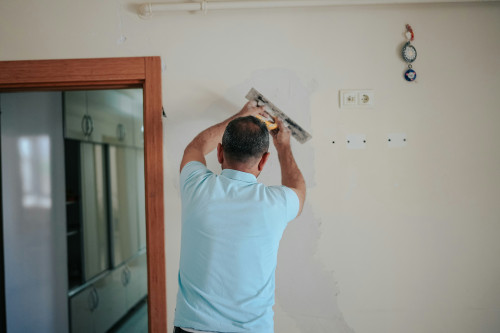
- Repair imperfections – Fill holes and cracks with spackle, then sand smooth once dry. A flat, even surface ensures a more professional finish.
The better your preparation, the less likely you’ll deal with peeling paint or uneven coverage later.
Choose the Right Tools
The quality of your brushes, rollers, and tape can make a big difference in both the result and the risk of damage.
- Use the right roller nap – Short-nap rollers are best for smooth walls, while longer naps work better on textured surfaces.
- Pick soft-bristle brushes for corners and edges to avoid scratching or leaving brush marks.
- Invest in quality painter’s tape – Cheap tape can leave sticky residue or pull off paint when removed.
A small investment in good tools can save you hours of touch-ups and repairs.
Prevent Ceiling Splatters and Streaks
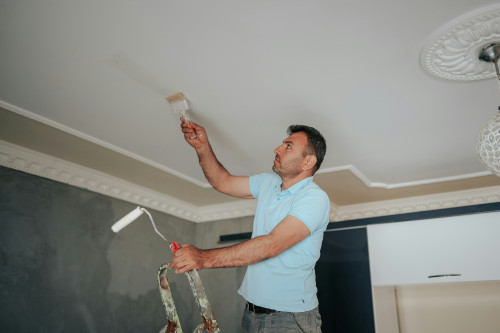
When painting walls, ceilings are especially vulnerable to drips and accidental brush strokes. A few simple techniques can help you avoid them:
- Start with the ceiling – If you’re painting both walls and ceiling, always begin with the ceiling. That way, any drips won’t ruin freshly painted walls.
- Tape along the ceiling edge – Apply painter’s tape carefully where the wall meets the ceiling, and remove it while the paint is still slightly wet for a clean line.
- Use slow, steady strokes – Rolling too quickly can cause splatter. Take your time for a smoother finish.
If you do get paint on the ceiling, wipe it off immediately with a damp cloth before it dries.
Avoid Peeling and Uneven Surfaces
Peeling paint often happens when the surface isn’t properly prepared or when the wrong type of paint is used.
- Check for moisture – Bathrooms and kitchens are especially prone to humidity. Make sure walls are completely dry before painting.
- Use primer when needed – On previously painted or porous surfaces, a primer helps paint adhere better and last longer.
- Apply thin coats – Thick layers dry unevenly and can crack. Two thin coats will look smoother and hold up better over time.
If you notice bubbles or rough spots, let the paint dry, sand lightly, and apply another coat.
Remove Tape and Coverings Carefully
Once the paint is dry, it’s tempting to pull off the tape quickly—but doing so can damage the paint or surface underneath.
- Peel tape at a 45-degree angle and pull slowly while the paint is still slightly tacky.
- Don’t wait too long – If tape stays on too long, it can bond to the paint and peel it off.
- Score the edges if needed – If you see the paint lifting, use a utility knife to gently cut along the edge before removing the tape.
This final step is just as important as the first—it’s what ensures a crisp, professional finish.
Læs også:
Finishing Touches and Maintenance
After painting, give your walls and ceilings time to cure. Avoid hanging pictures or cleaning the surfaces for a few days. If you spot small imperfections, touch them up with a brush and a bit of leftover paint.
To keep your paint looking fresh, wipe walls occasionally with a damp cloth, especially in high-traffic areas. Regular light cleaning prevents dirt buildup and helps maintain the color.
A Beautiful Finish Without the Damage
Painting doesn’t require professional experience, but it does require patience and attention to detail. By preparing carefully, using the right tools, and working methodically, you can avoid the common mistakes that lead to damage. The result will be walls and ceilings that look brand new—without drips, scratches, or peeling paint.
Læs også: