How to Maintain Painted Walls in Living Rooms and Common Areas

How to Maintain Painted Walls in Living Rooms and Common Areas
Painted walls bring warmth, color, and personality to your home. But to keep them looking fresh, they need a bit of regular care. Living rooms and common areas are high-traffic spaces where walls are exposed to dust, fingerprints, and sunlight. With a few simple habits, you can preserve their beauty for years. Here’s a practical guide to maintaining painted walls in your home.
Know Your Paint Type
Before cleaning or touching up your walls, it’s important to know what kind of paint you’re dealing with. The finish determines how durable the surface is and how you should clean it.
- Flat or matte paint offers a soft, elegant look but is more prone to marks and less washable.
- Eggshell or satin finishes are more durable and can handle light cleaning.
- Semi-gloss or gloss paint is highly washable and often used in kitchens, bathrooms, or hallways.
If you’re unsure, test a small, hidden area with a damp cloth. If color rubs off, the paint is likely flat or matte and needs gentle care.
Cleaning Without Damaging the Finish
Even in rooms without cooking or moisture, walls collect dust and grime over time. A light cleaning once or twice a year can make a big difference.
- Dust first – Use a dry microfiber cloth, a soft duster, or the brush attachment on your vacuum to remove cobwebs and dust.
- Wash gently – Mix warm water with a small amount of mild dish soap. Avoid harsh cleaners or abrasive sponges.
- Work from top to bottom – This prevents streaks. Wring out your cloth well so the wall doesn’t get too wet.
- Rinse and dry – Wipe with a clean, damp cloth to remove soap residue, then dry with a soft towel.
For flat or matte walls, spot-clean only where needed and avoid scrubbing too hard, as it can leave shiny patches.
Removing Stains and Marks
Common areas often get scuffs and fingerprints from daily activity. Most marks can be removed without repainting.
- Fingerprints and smudges: Use a soft cloth with mild soap and water.
- Scuff marks from furniture: Try a clean white eraser or a damp microfiber cloth.
- Crayon or pencil marks: Gently dab with a damp sponge and mild cleaner—avoid rubbing.
If a stain won’t come off, touch up the area with leftover paint. Use a small brush and apply thin layers to blend with the existing finish.
Læs også:
Preventing Fading and Discoloration
Sunlight can cause paint colors to fade over time, especially on south- or west-facing walls. To minimize fading:
- Use curtains or blinds during the brightest hours of the day.
- Choose high-quality paint with UV resistance when repainting.
- Rearrange furniture and artwork occasionally so fading happens evenly.
These small steps can help your walls maintain their color and vibrancy for longer.
Repairing Small Damages
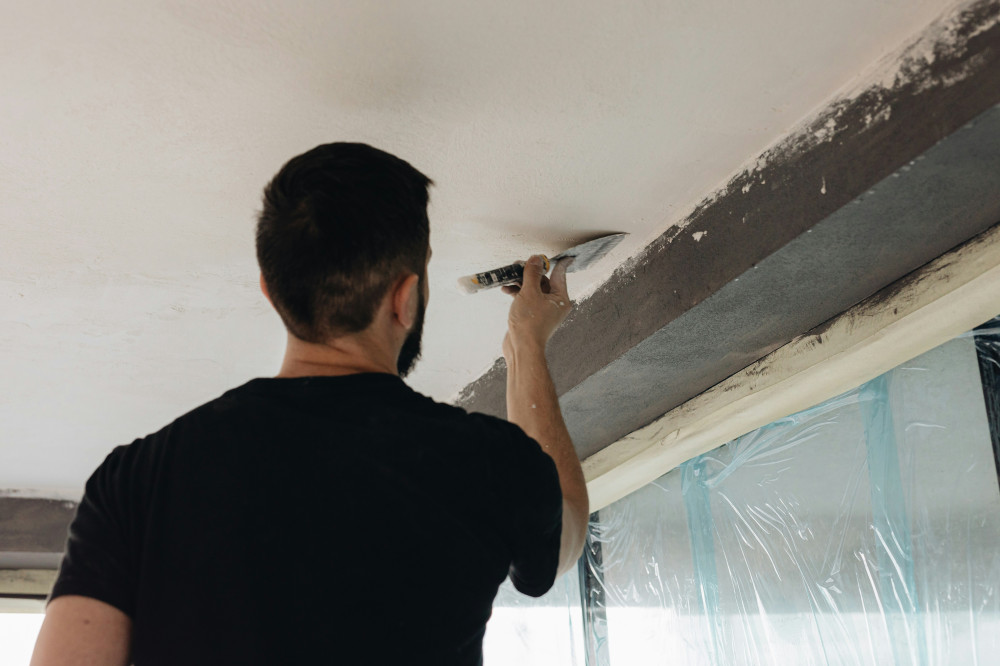
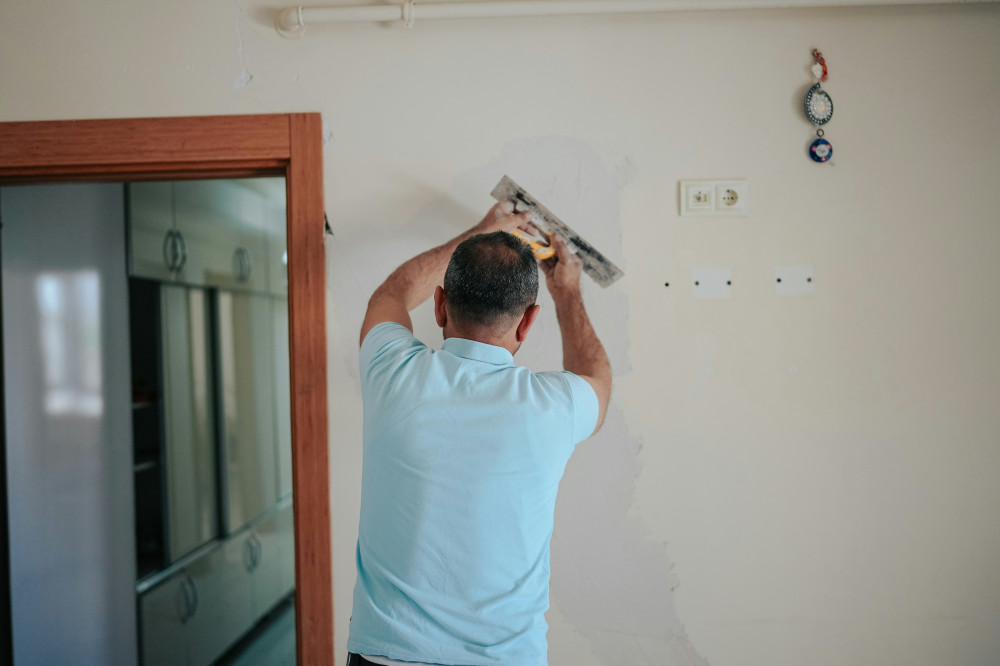
Minor dents, nail holes, or scratches are easy to fix with a few basic tools.
- Fill the hole with spackling compound and let it dry completely.
- Sand lightly with fine-grit sandpaper until smooth.
- Touch up with paint using the same color and finish—two thin coats usually blend best.
Always save a small amount of leftover paint in a sealed container for future touch-ups.
When It’s Time to Repaint
Even with good maintenance, walls eventually need a refresh. On average, interior paint lasts about 5–10 years, depending on traffic, sunlight, and cleaning habits.
Signs it’s time to repaint include:
- The color looks dull or uneven.
- There are too many small repairs to hide.
- The surface feels chalky or rough.
When repainting, consider a more washable finish if you want easier upkeep in the future.
Small Habits, Big Results
Maintaining painted walls doesn’t require major effort—just consistent care. Regular dusting, gentle cleaning, and mindful decorating can keep your living spaces looking bright and inviting for years. With a little attention, your walls will continue to reflect the comfort and style of your home.
Læs også: