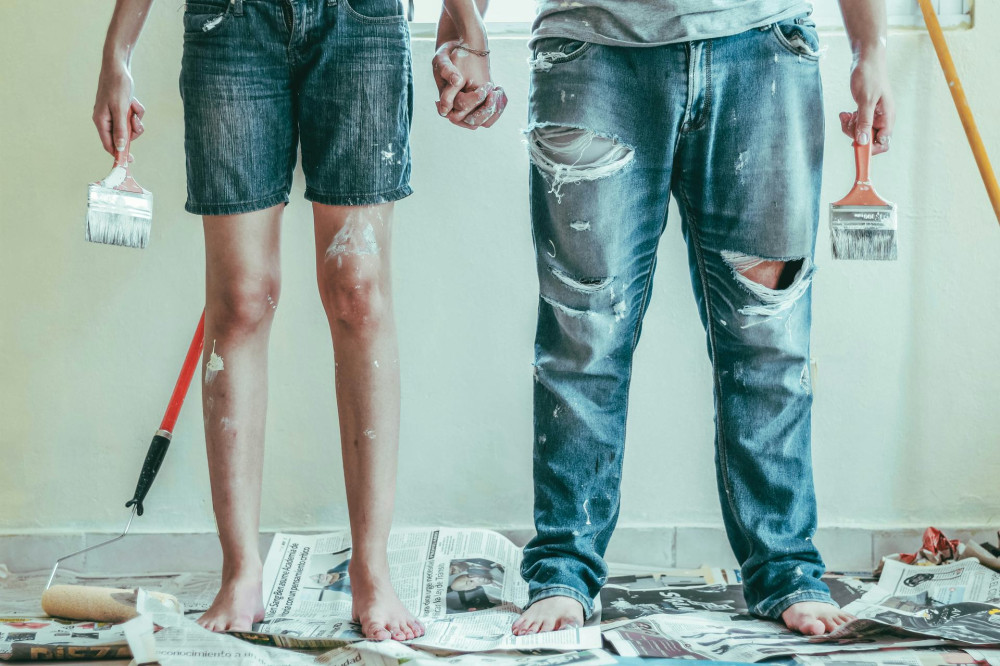
Concrete Paint That Lasts – Step by Step


Concrete Paint That Lasts – Step by Step
Concrete is one of the toughest building materials, but without proper surface treatment, it can quickly look dull and worn. With the right paint and preparation, you can give your floors, walls, patios, or driveways a fresh look while protecting them from moisture, dirt, and wear. Here’s a step-by-step guide to painting concrete so the finish lasts for years.
Choose the Right Paint
Before you start, it’s important to select a paint that fits your project. Concrete paint comes in several types, and the right choice depends on where the surface is located and how much traffic or weather exposure it gets.
- Indoor concrete – Use a water-based acrylic paint that’s durable and easy to clean. It’s ideal for basements, laundry rooms, and workshops.
- Outdoor concrete – Choose a breathable, weather-resistant paint that allows moisture to escape while protecting against rain, UV rays, and temperature changes.
- Concrete floors – For garages or high-traffic areas, go with an epoxy or polyurethane coating that can handle heavy loads, abrasion, and chemicals.
Always check the manufacturer’s instructions and note whether a primer or sealer is required before painting.
Prepare the Surface Thoroughly
A long-lasting result starts with good preparation. Concrete is porous and can hold dust, oil, or lime deposits that prevent paint from adhering properly.
- Clean the surface – Remove dust, dirt, and grease using a concrete cleaner or degreaser. For outdoor areas, a pressure washer works well.
- Remove loose material – Scrape or brush away any flaking paint or crumbling concrete.
- Repair damage – Fill cracks and holes with a concrete patching compound and let it cure completely.
- Lightly sand – A light sanding smooths the surface and improves adhesion.
- Dry completely – Make sure the concrete is fully dry before painting. Moisture trapped underneath can cause peeling or bubbling.
Prime for Better Adhesion
A primer or sealer helps bind dust, reduce absorption, and ensure the paint adheres evenly. It also prevents the paint from soaking too quickly into the concrete.
- Apply the primer evenly with a roller or brush.
- Allow it to dry according to the manufacturer’s directions—usually 6–12 hours.
- Avoid painting if the temperature is below 50°F or if humidity is high.
How to Paint Concrete Step by Step
Once the surface is ready, it’s time to paint. Work methodically and apply thin coats for the best and most durable finish.
- Start with edges and corners – Use a brush for areas the roller can’t reach.
- Roll the main surface – Use a short-nap roller for smooth concrete and a longer nap for rougher textures.
- Apply two coats – The first coat acts as a base; the second provides color depth and durability.
- Let each coat dry – Allow 12–24 hours between coats, depending on temperature and paint type.
- Avoid early use – Wait at least 48 hours before walking or placing heavy objects on the surface.
Maintenance and Cleaning
Once cured, painted concrete requires little maintenance, but a few simple habits can extend its life:
- Sweep or vacuum regularly to prevent grit from scratching the surface.
- Clean with mild detergent and water—avoid harsh chemicals that can damage the paint.
- Touch up chips or scratches promptly to keep moisture from seeping underneath.
Outdoor concrete should be inspected every couple of years. If the color fades or the surface looks dull, a fresh coat of paint will restore protection and appearance.
Tips for a Professional Finish
- Don’t paint in direct sunlight or on very hot surfaces—paint can dry too fast and cause uneven coverage.
- Ensure good ventilation, especially when using epoxy or solvent-based products.
- Invest in quality tools—a good roller and brush make a noticeable difference.
- Test the color on a small area first, as the concrete’s natural tone can affect the final shade.
Læs også:

A Strong and Beautiful Result
With the right preparation, paint, and patience, you can transform concrete surfaces into something both attractive and long-lasting. Painting concrete isn’t just about looks—it’s a smart way to protect and preserve one of your home’s most durable materials.
Læs også: